Gardening in Chiloé: Edaphoclimatic Adaptation and Sustainable Practices
Analysis of Chiloé's climate and soil, selection of native and adapted species, and sustainable cultivation strategies for horticultural resilience.

Characterizing the Chilote Ecosystem’s Climate and Soil
The Chiloé archipelago, with its unique geography and temperate-rainy climate, presents a distinctive setting for gardening. Far from being a hindrance, the environmental conditions of this southern region of Chile forge an ecosystem where resilience and adaptation are fundamental pillars for the success of any horticultural project. Constant humidity, Patagonian winds, and soils rich in organic matter define a particular character for cultivation, inviting a deep exploration of methods and species that not only survive but thrive in this environment. Gardening in Chiloé transcends mere practice; it becomes a dialogue with nature, a reflection of local culture, and a commitment to sustainability.
Edaphic and Climatic Characteristics of the Archipelago
Analysis of Chiloé’s specific environmental factors influencing species selection and cultivation techniques.
The Chilote climate is characterized by abundant rainfall distributed throughout the year and moderate temperatures with cold winters. This high precipitation, along with oceanic influence, generates elevated ambient humidity, a crucial factor for both the development of certain plants and the proliferation of pathogens. Prevailing winds, especially during winter, pose a significant challenge to plant stability and require protective strategies.
The archipelago’s soils are typically of volcanic origin or derived from glacial sediments, predominantly acidic (pH 4.5-5.5) and with a high organic matter content. While this edaphic composition favors nutrient and water retention, it can limit the availability of certain essential elements for more demanding crops. Drainage, despite the organic matter, can be an issue in low-lying or compacted areas, necessitating careful management to prevent root suffocation. Understanding these particularities is the first step toward establishing a productive and sustainable garden.
Plant Resilience: Native and Adapted Varieties
Native Species and Plant Adaptation in Chiloé
Identification of resilient and native plants that thrive in the archipelago’s climatic and edaphic conditions.
Species selection is critical for gardening in Chiloé. Prioritizing varieties adapted to cold, humidity, and acidic soils significantly increases the chances of success. Native Chiloé potatoes, with their genetic diversity and resistance to local diseases, are a prime example of adaptation. Other crops showing excellent performance include leafy greens like Swiss chard, spinach, and kale, which tolerate cold well. Fruits such as maqui, murta, and calafate, native shrubs, not only adapt perfectly but also contribute to local biodiversity.
For more conventional gardens, selecting broccoli, cabbage, onion, and garlic varieties adapted to humid climates is essential. Incorporating native ornamental plants like the copihue (Chile’s national flower), arrayán, or notro not only beautifies the garden but also supports local fauna. Current research at INIA Remehue is exploring new varieties of small fruits and vegetables with greater resistance to fungal diseases and tolerance to adverse conditions, offering promising alternatives for farmers and gardeners in the region.
Sustainable Cultivation Strategies: Water and Nutrient Management
Implementation of cultivation methods that optimize resource use and minimize environmental impact in the Chilote ecosystem.
Sustainable Management of Water and Nutrient Resources
Managing excess moisture and soil acidity are central challenges. Implementing raised beds or mounds is a highly effective technique for improving drainage and allowing soil warming, creating a more favorable microclimate for roots. Constant incorporation of compost and organic matter is essential for improving soil structure, regulating pH, and gradually supplying nutrients. Composting, ideally in closed or well-aerated systems to manage high humidity, transforms organic waste into valuable fertilizer.
Mulching with local materials like dry leaves, bark, or straw helps suppress weeds, conserve soil moisture during dry periods (though less frequent in Chiloé, soil protection is key), and moderate temperature. For pest control, common in humid environments (slugs, snails), Integrated Pest Management (IPM) with physical barriers, traps, and the use of natural predators or specific biopesticides is an effective and sustainable strategy. Crop rotation also prevents the accumulation of specific soil pathogens and optimizes nutrient use.
Agricultural Innovation and Climate Resilience in the South
Exploration of new technologies and approaches for the development of sustainable horticulture in island and humid contexts.
The future of gardening in Chiloé is oriented towards resilience and sustainability, integrating ancestral practices with technological advancements. Implementing rainwater harvesting systems for irrigation during periods of lower precipitation or for specific uses (like preparing organic concoctions) represents an efficient strategy. Passive or low-cost greenhouse technology, which harnesses solar energy to raise internal temperatures and protect crops from wind and excessive rain, allows for extended growing seasons and diversified production.
Innovations in Horticulture for Humid and Temperate Climates
The focus on regenerative agriculture and permaculture is particularly relevant, promoting soil health, biodiversity, and the integration of productive systems. The development of local seed banks, which preserve and propagate varieties adapted to the Chilote climate, is a growing trend that strengthens food autonomy. Furthermore, the exchange of knowledge and experiences among gardeners, often facilitated by digital platforms and community workshops, drives the adoption of new techniques and adaptation to climate change challenges, ensuring that Chiloé’s horticultural tradition continues to evolve with a sustainable focus.
Gardening in Chiloé is a testament to adaptation and perseverance. While the environmental conditions are challenging, they offer fertile ground for developing sustainable practices and conserving local biodiversity. Through a deep understanding of the climate and soil, strategic species selection, and the application of innovative and environmentally respectful cultivation techniques, gardeners can transform their spaces into productive and resilient gardens. The commitment to sustainability and the integration of local wisdom with current technological advancements pave the way for a future where Chilote horticulture not only flourishes but also inspires other regions to embrace the principles of adaptation and respect for the ecosystem.
Related Articles

Home Gardening: Nutrition, Sustainability, and Well-being at Home
Learn how growing fresh food at home enhances health, reduces environmental impact, and promotes personal and community well-being.

Rose Pruning: Seasonal Techniques and Physiology for Optimal Flowering
Understand rose pruning: when, how, and why. Improve plant health, structure, and flowering.
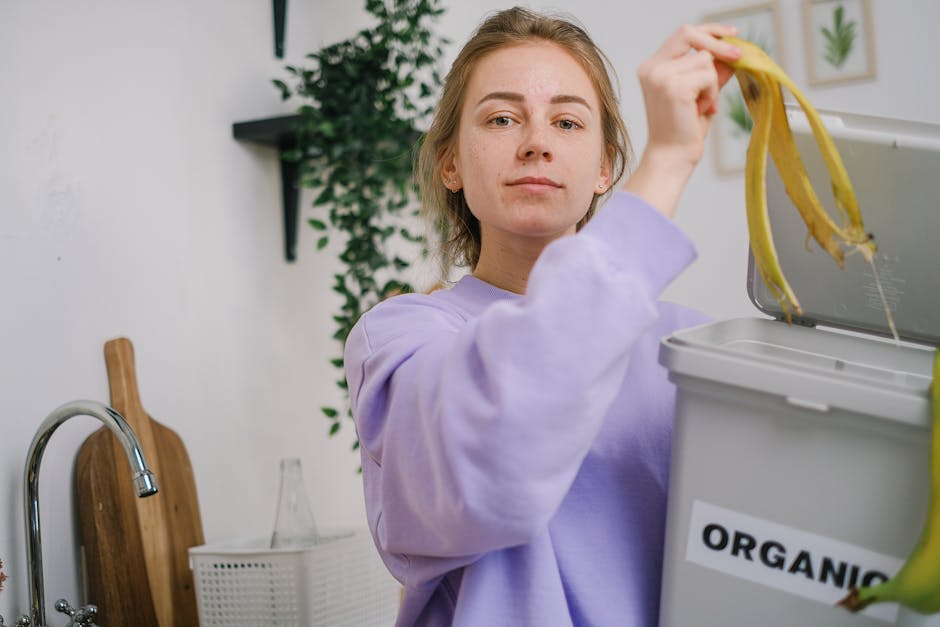
Homemade Organic Fertilization: Composting, Vermicomposting, and Leachate for Sustainable Gardens
Master composting, vermicomposting, and leachate methods to create homemade organic fertilizers for eco-friendly crop nutrition.

Urban Home Horticulture: Nutritional, Ecological, and Technological Benefits
Understand the impact of home gardens on nutrition, biodiversity, and the economy, integrating urban techniques and automation.