Soil Water Conservation: Mulch & Physical Mechanisms
Examines physical principles of mulching, categorizes organic and inorganic materials, and details application strategies for maximizing water retention.
Physical Mechanisms of Water Conservation Through Mulching
In regions with significant climatic variations, such as much of Argentina and Latin America, efficient water management is a cornerstone for horticulture and gardening. Water availability for plants is a crucial limiting factor, and its conservation in the soil represents a constant challenge. An age-old technique, yet one that is continuously evolving, which directly addresses this issue is mulching. This practice involves covering the soil surface with a layer of protective material, aiming to mitigate evaporation, regulate temperature, and improve soil structure. Its correct implementation not only optimizes water resource use but also contributes to the overall health of the garden ecosystem, fostering biodiversity and crop resilience against adverse conditions.
Mulching operates through several physical and biological mechanisms to preserve soil moisture. The surface layer of material acts as a physical barrier, drastically reducing direct water evaporation caused by the sun and wind. This reduction can reach up to 70%, a significant water saving, especially in arid climates or during drought periods. Furthermore, mulching stabilizes soil temperature, keeping it cooler in summer and warmer in winter. Extreme thermal fluctuations stress roots and accelerate the decomposition of organic matter, negatively affecting the soil’s capacity to retain water and nutrients.
An additional, but no less important, benefit is weed suppression. By blocking sunlight, mulching limits the germination and growth of unwanted plants that compete for water and nutrients with the main crops. Organic materials, as they decompose, gradually enrich the soil with organic matter, improving its structure, aeration, and long-term water retention capacity. This virtuous cycle benefits soil microflora and microfauna, essential for fertile and productive soil. Incorporating these principles is key to efficient water management in any cultivation system, from small urban gardens to large expanses.
The choice of mulching material is a determining factor in its effectiveness and durability. Two main categories are distinguished: organic and inorganic.
Diversity of Organic and Inorganic Materials for Mulching
Organic Materials: These materials are biodegradable and, over time, incorporate into the soil, improving its structure and providing nutrients.
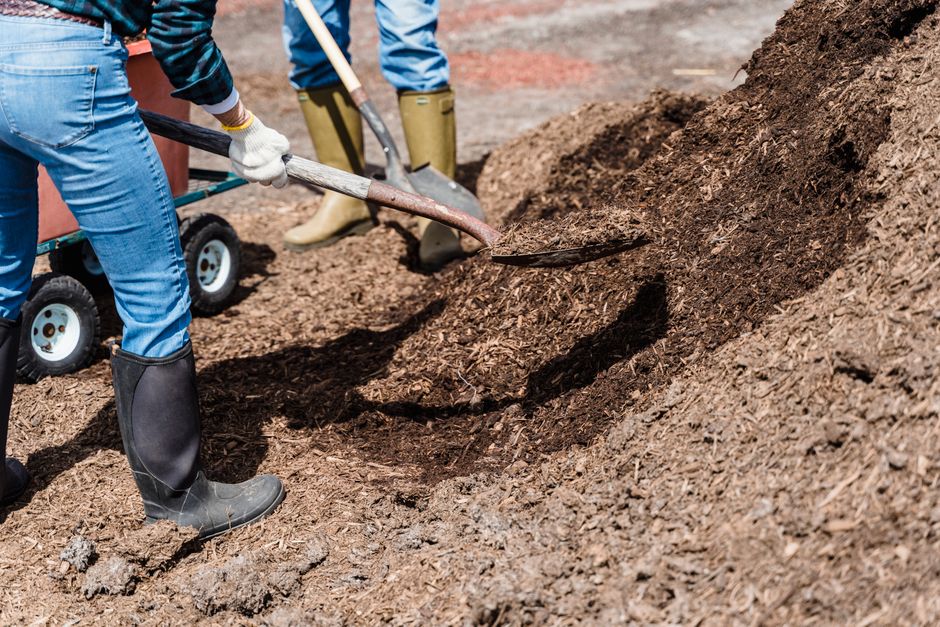
- Wood chips and bark: Excellent for weed suppression and moisture conservation. Their slow decomposition gradually releases nutrients. Their use is recommended for paths or around mature trees and shrubs.
- Straw (seed-free): A lightweight and economical material, ideal for seasonal vegetable gardens. It reflects sunlight, keeping the soil cool. Its decomposition is faster, requiring periodic replenishment.
- Dry leaves: Easy to obtain and rich in nutrients. They form an effective protective layer, especially if shredded before application.
- Mature compost: Offers the benefits of mulching and simultaneously acts as a slow-release fertilizer, enriching the soil with organic matter and beneficial microorganisms.
- Pine needles: Ideal for plants that prefer acidic soils, such as azaleas or blueberries. Their decomposition is slow.
Inorganic Materials: These materials do not decompose and, therefore, do not provide nutrients to the soil, but they are very durable.
- Gravel or small stones: Provide excellent drainage and are ideal for rock gardens or areas with plants that require well-aerated soils. They do not degrade but can accumulate heat.
- Plastics (geotextiles or sheeting): Effective for weed suppression and moisture retention. However, they can excessively alter soil temperature and do not allow for gas exchange, which can be detrimental to soil life. Geotextiles are a superior option to opaque plastic sheeting, as they allow some passage of air and water.
- Cardboard: A biodegradable and temporary option, useful for initiating new cultivation areas or raised beds. Ensure it does not contain toxic inks or plastics.
The effectiveness of mulching largely depends on its correct application. Before applying the material, it is essential to ensure the soil is moist and free of persistent weeds. A layer of 5 to 10 centimeters (2 to 4 inches) thick is generally optimal for most organic materials. However, it is crucial to avoid direct contact between the mulch and the plant’s trunk or stem, creating a small “collar” of clear space to prevent collar rot and pest or disease infestation.
In the context of regenerative agriculture and permaculture, mulching is integrated as an essential component for building healthy and resilient soils. The application of successive layers of organic material (known as ‘compost lasagna’ or ‘no-dig gardening’) is an innovative technique that minimizes soil disturbance, promotes microbial activity, and improves soil structure in the long term. This approach not only conserves moisture but also reduces the need for tilling and synthetic fertilizers.
Strategic Implementation of Mulching in Diverse Cultivation Environments
For urban gardens on balconies or terraces, where containers are common, mulching is even more critical. Potting substrates tend to dry out much faster than soil in the ground. A layer of vermiculite, perlite, or even small decorative stones can significantly reduce evaporation in these environments. The choice of material can also influence the space’s aesthetics, allowing functionality to be integrated with design.
Practical tip: In hot, sunny climates, light-colored mulches (straw, light wood chips) reflect more light and keep the soil cooler. In temperate or cold climates, dark mulches can help absorb heat and warm the soil, benefiting crops that require more warmth.
Mulching, although an ancestral technique, continues to evolve with new trends in sustainability and technology. A growing area of interest is the development of advanced biodegradable mulches, made from bioplastics or compostable materials, which offer the benefits of traditional plastics without their negative environmental impacts. These materials decompose at the end of the growing season, eliminating the need for removal and reducing waste generation.
The integration of mulching with smart irrigation systems represents another significant advancement. Soil moisture sensors, connected to automated irrigation systems, can optimize water application, ensuring plants receive the precise amount and further reducing waste. Mulching complements these systems by extending soil moisture, decreasing the frequency of necessary irrigation, and consequently, the associated energy consumption.
Sustainable and Technological Innovations in Mulching Practices
In the context of climate change, mulching plays a vital role in agricultural adaptation. By improving soil resilience and plants’ ability to tolerate drought periods, it contributes to food security. Recent studies, such as those published by the National Institute of Agricultural Technology (INTA) in Argentina, highlight the efficiency of mulching in mitigating the effects of heatwaves and conserving soil biodiversity in intensive production systems. Research focuses on selecting local and sustainable materials that maximize these benefits. For more information on INTA’s work, you can visit their main portal: INTA Argentina.
The adoption of mulching practices in urban and peri-urban agriculture is also a booming trend. Community projects and school gardens use mulching to transform degraded soils into productive spaces, demonstrating its accessibility and effectiveness in improving quality of life and fostering environmental awareness. This aligns with the principles of regenerative agriculture, which seeks not only to produce food but also to restore and enhance ecosystems. To delve deeper into the fundamentals of mulching, you can consult specialized resources like Infojardín.
Mulching is consolidated as an indispensable strategy for soil moisture conservation and the promotion of a healthy ecosystem in any vegetable garden or landscape. From the selection of local organic materials to integration with advanced irrigation technologies, its benefits extend beyond water savings, positively impacting soil fertility, weed suppression, and crop resilience. Adopting these techniques not only represents an efficient and economical practice but also a commitment to environmental sustainability, ensuring the vitality of our soils for future generations of gardeners and horticulturists. It is an investment in the health of our planet and the productivity of our harvests.
Related Articles

Horticultural Adaptation to the Mediterranean Climate of Chile's Central Valley
Water management, soil health, and plant selection for resilient crops in Chile's Central Valley, optimizing resources and biodiversity.

Shaded Perennial Gardens: Sustainable Design & Aesthetics
Transform low-light areas into green oases with environmental analysis, adapted botanical selection, and sustainable design and management techniques.

Tomato Downy Mildew: Integrated Management & Control
Covers identification of downy mildew pathogens, preventive cultural strategies, and biological and chemical phytosanitary control methods for tomatoes.

Tropical Horticulture Adaptation: Soil, Water, Species, and Management in Nicoya
Optimizing soil, water management, native flora selection, and integrated pest management for resilient gardening in Nicoya's seasonal climate.