Living Fences: Ecology, Species, & Sustainable Management
Analyzes the ecological role, species selection criteria, establishment and pruning techniques, and technological integration of living fences for landscaping.
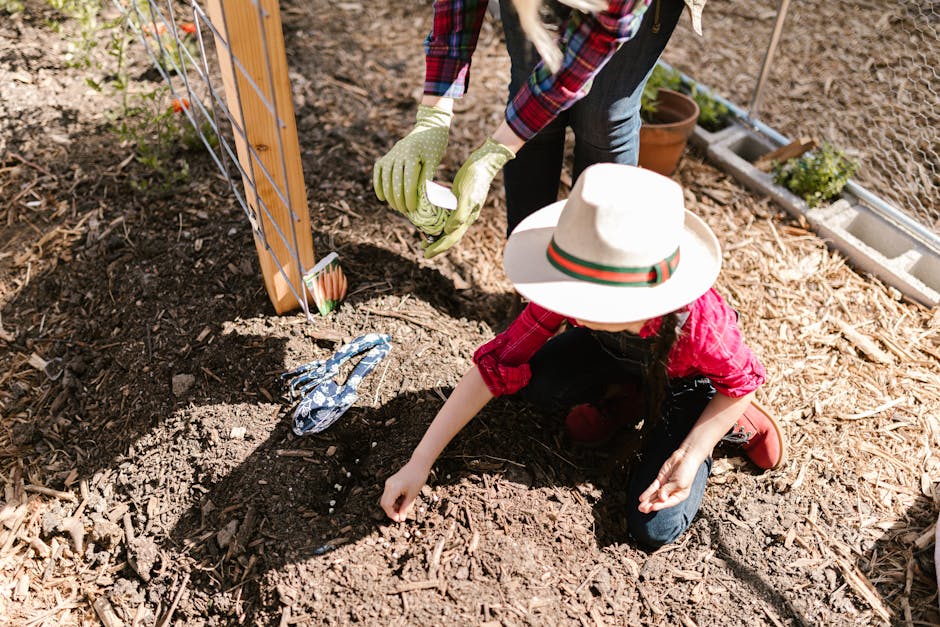
Ecological Functionality and Urban Biodiversity
Living fences represent a landscaping solution with multiple benefits that transcend mere space delimitation. In urban and rural environments across Argentina and Latin America, these plant barriers are consolidating as essential elements for sustainability and the improvement of environmental well-being. Their implementation offers an ecological alternative to inert structures, adding aesthetic, functional, and ecological value to any property. We analyze their impact and key strategies for their proper development.
The incorporation of perimeter vegetation in exterior design generates a considerable positive impact. Beyond their function as visual boundaries, a living fence acts as a microecosystem. It facilitates the creation of habitats for local fauna, such as birds and pollinating insects, actively contributing to urban biodiversity. These plant systems mitigate noise pollution, filter airborne particles, and regulate temperature, generating cooler microclimates in summer and providing wind protection in winter. The appropriate selection of species also allows for harmonious integration with the environment, offering textures, colors, and scents that enrich the sensory experience of the garden. Current trends in sustainable landscaping prioritize these solutions for their ability to merge aesthetics with environmental responsibility.
Specific Selection Criteria for Native and Adapted Species
The choice of plant species is a critical factor for the longevity and success of a living fence. It is essential to consider local edaphoclimatic conditions, including soil type, sun exposure, and water availability. It is recommended to opt for species native to or adapted to the region, as they typically require less maintenance and are more resistant to endemic pests and diseases. For a formal hedge, species such as Privet (Ligustrum lucidum) or Hawthorn (Crataegus monogyna) offer density and ease of pruning. If a more natural style or an edible hedge is desired, options like Feijoa (Acca sellowiana) or Chilean Guava (Luma apiculata) are excellent alternatives, providing fruits and flowers. Planting density also influences the closure speed and opacity of the hedge. For a more detailed guide on species, Infojardín offers valuable resources on shrubs for hedges: https://www.infojardin.com/jardineria/arbustos/arbustos-para-setos.htm.
The establishment of a living fence requires adequate land preparation. This includes improving soil structure by incorporating organic compost and ensuring good drainage. Planting should be done respecting the recommended distances between specimens to ensure uniform growth and avoid resource competition. Initially, formative pruning is crucial to stimulate branching from the base and achieve the desired density. Subsequently, maintenance pruning, carried out at the appropriate times in each species’ vegetative cycle, allows for the preservation of the desired shape and size, as well as promoting plant health. The implementation of drip irrigation systems optimizes water use, especially in water-scarce regions, and the application of organic mulching helps retain moisture and suppress weeds, minimizing the need for manual intervention. For specific pruning techniques, La Huertina de Toni provides practical advice: https://www.lahuertinadetoni.es/poda-de-setos/.
Establishment Techniques and Structural Pruning for Density
Technological advancements are redefining the management of living fences. Soil moisture and temperature sensors, connected to smart irrigation systems, enable precise water management, adjusting the frequency and amount of water according to the plants’ actual needs and climatic conditions. This automation significantly reduces water consumption and manual effort. Furthermore, research into new plant varieties focuses on developing species more resistant to drought, diseases, and drastic temperature changes, better adapting to climate change scenarios. The integration of living fences into permaculture designs or as part of vertical urban agriculture systems, where species that produce food or aromatic herbs are used, represents an innovative trend that maximizes the functionality and sustainability of these landscape elements. Bio-fences, which combine diverse species to enhance ecosystem biodiversity and resilience, are a clear example of this evolution.
The implementation of living fences is a long-term investment offering multiple environmental, aesthetic, and functional benefits. From their contribution to biodiversity to their role in mitigating the effects of climate change, these plant structures are positioning themselves as pillars in the design of sustainable and resilient landscapes. Informed species selection, careful establishment planning, and adequate maintenance, enhanced by the integration of emerging technologies, guarantee their success and their capacity to enrich any environment. They constitute a statement of commitment to nature and a tangible improvement in quality of life.
Related Articles

Botanical and Design Strategies to Encourage Parasitoid Wasps in Gardens
Integrating specific floral resources and ecosystem design to attract and sustain parasitoid wasps, optimizing natural biological control.
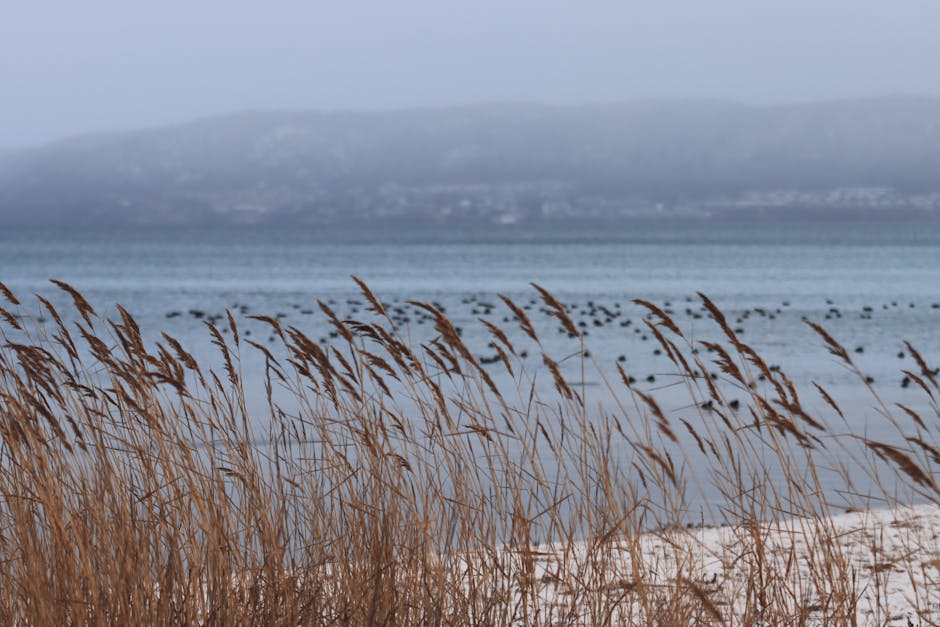
Iberá Sustainable Gardening: Native Species & Resource Management
Applying eco-friendly horticultural practices in wetlands: native flora, efficient irrigation, organic soil management, and biological control.
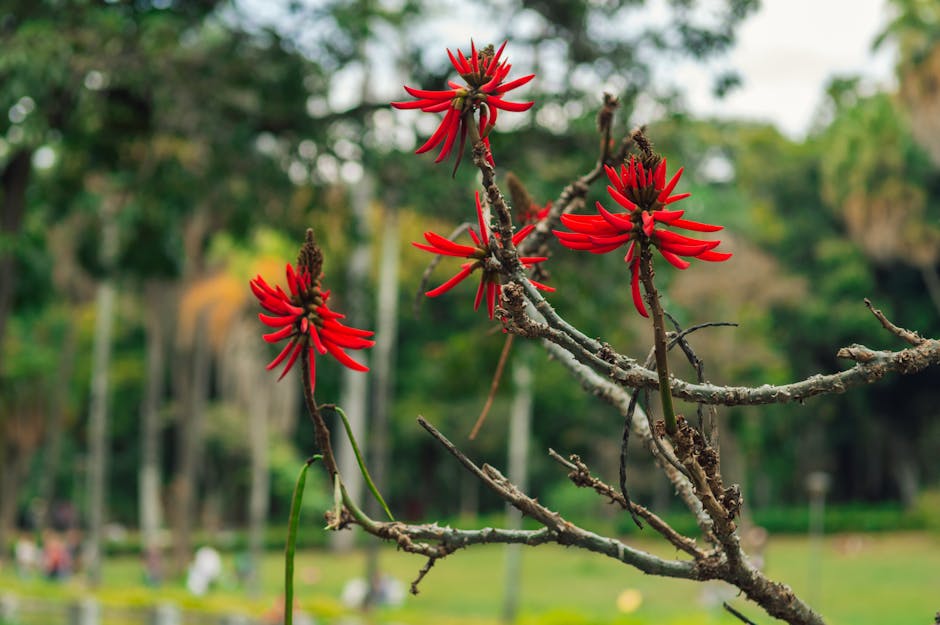
Erythrina crista-galli: Care, Propagation & Sustainable Management
Detailed analysis of climatic conditions, substrate, propagation methods, transplanting, and sustainable agronomic management of the Cockspur Coral Tree.

Impact of Sea Breeze on Plant Physiology and Horticultural Adaptation Strategies
Analysis of saline aerosols, humidity, and wind on coastal vegetation, with mitigation through windbreaks, soil improvement, and efficient irrigation.