Hemimetabolous Life Cycle and Ecological Role of Earwigs (Dermaptera)
Explore the egg-nymph-adult development of earwigs, their parental care, and their dual role as beneficial predators and occasional herbivores in gardens.
Hemimetabolous Life Cycle and Reproductive Adaptations
Earwigs, insects belonging to the order Dermaptera, exhibit a life cycle that, while often overlooked, is fundamental to understanding their role in ecosystems, including gardens and vegetable patches. These arthropods, characterized by their distinctive abdominal pincers, display hemimetabolous development, meaning they undergo incomplete metamorphosis. Comprehending their life stages allows cultivators to discern their impact, whether as beneficial predators or, on rare occasions, as potential challenges to certain crops. The study of this cycle reveals reproductive and behavioral adaptations that optimize their survival and distribution in diverse environments.
Dermapterans are elongated, flattened insects, varying in size from a few millimeters to several centimeters. Their most notable feature is the modified cerci in the form of pincers or forceps, located at the posterior end of the abdomen. These structures, more curved in males and straighter in females, are used for defense, prey capture, and, in some cases, mating. Most species possess membranous wings folded beneath short, leathery elytra, although many are apterous or have reduced wings. The head features filiform antennae and chewing mouthparts. Taxonomically, they are classified within the class Insecta, order Dermaptera, with various families and genera adapted to different ecological niches. Morphological diversity within the order reflects a wide range of adaptations to their environments.
The life cycle of dermapterans is divided into three main stages: egg, nymph, and adult. This process, which can last from a few months to over a year depending on the species and environmental conditions, is an example of hemimetabolous development.
External Morphology and Abdominal Cerci Functionality
Oviposition and Embryonic Development
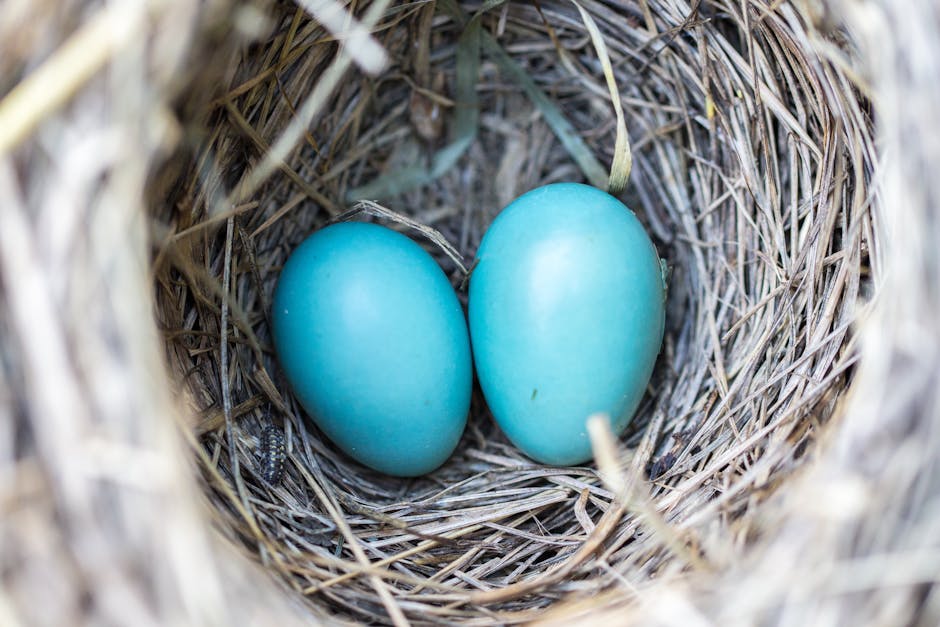
The egg phase begins after mating. Female earwigs are known for their parental care behavior, a rare characteristic among insects. After fertilization, the female excavates a small chamber in the soil or under debris, where she lays between 20 and 80 eggs, which are oval and whitish in color. Subsequently, the mother remains with the clutch, protecting it from predators, cleaning them to prevent fungal growth, and relocating them if humidity or temperature conditions are not suitable. This maternal care is crucial for the survival of the offspring. Incubation can last from a few weeks to several months, influenced by ambient temperature and humidity.
Nymphal Development and Ecdysis
Parental Behavior and Offspring Survival
Once hatched, the eggs give rise to nymphs, which are immature versions of the adults, but smaller and without fully developed wings. Nymphs undergo several molts (generally 4 to 6, called instars) as they grow, shedding their exoskeleton to allow for an increase in size. During this stage, nymphs actively feed on decaying organic matter, small insects, aphids, and occasionally, the soft parts of young plants. This nymphal period is fundamental for accumulating the energy resources necessary for the adult stage and reproduction. The duration of the nymphal phase varies depending on the species and environmental conditions, such as food availability and temperature.
Adult Maturity and Reproduction
After the final molt, nymphs reach the adult stage. Adults possess fully developed wings (in winged species) and their abdominal pincers reach their definitive size and shape. The primary function of adults is reproduction. Mating typically occurs in the fall, and females may overwinter to lay eggs in the spring, or they may lay them in the fall, with hatching occurring after winter. Some species are univoltine (one generation per year), while others can be bivoltine (two generations per year) in warmer climates. Adult longevity is variable but generally ranges from several months, during which they focus on feeding and perpetuating the species. Their activity is predominantly nocturnal, seeking shelter during the day in damp, dark locations.
Ecological Role and Management Strategies in Agroecosystems
The interaction of earwigs with agricultural ecosystems is complex. They are considered omnivorous insects, meaning their diet is varied. They act as predators of common pests such as aphids, small lepidopteran larvae, and insect eggs, contributing to natural biological control in the garden. However, under certain conditions, especially when populations are very high or the availability of other food sources is low, they may consume tender shoots, flower petals, or soft fruits like peaches or strawberries. Integrated Pest Management (IPM) promotes a balanced approach, recognizing the value of earwigs as allies in the garden. Current trends in regenerative agriculture and permaculture seek to enhance biodiversity by creating habitats that attract beneficial insects, including earwigs. Providing refuges such as inverted pots with straw or stacked wood can concentrate their populations, allowing for monitoring of their activity and, if necessary, relocation. The use of organic mulching also favors their presence by maintaining humidity and offering shelter and food.
Understanding the life cycle of earwigs is a valuable tool for any cultivator. It allows for comprehending their behavior, anticipating their presence, and managing their impact in an informed and sustainable manner. Fostering a diverse and balanced ecosystem is key to leveraging the benefits of these insects while minimizing any potential harm and contributing to the overall health of the garden, a central objective in today’s sustainable gardening practices. Continued research into their behavior and ecology continues to provide new insights for their management in agricultural and urban systems, consolidating their role in the biodiversity of our green spaces.
Related Articles
Black Cutworm Management in Lettuce: Integrated Approach
Strategies for controlling black cutworm in lettuce: biology, cultural management, biological control, and technological monitoring for sustainable production.

Grow Your Own Green Gold: Mastering Yerba Mate Cultivation at Home
Learn how to cultivate Yerba Mate, the iconic South American herb, in your own garden with expert tips and actionable advice.

Integrating Pollinators: Floral Design and Habitat for Resilient Gardens
Strategies for attracting and sustaining pollinators through floral design, habitats, and ecological management, enhancing biodiversity and production.

Tropical Ecosystems in Temperate Climates: Design, Flora, Water
Recreating a temperate tropical oasis: botanical selection, landscape stratification, efficient irrigation, and fostering soil biodiversity.