Acacia-Ant Mutualism: Morphological Adaptations and Ecosystem Defense
Symbiotic interactions between acacias and ants: specialized structures, defense mechanisms against herbivores and competing vegetation, and coevolution.
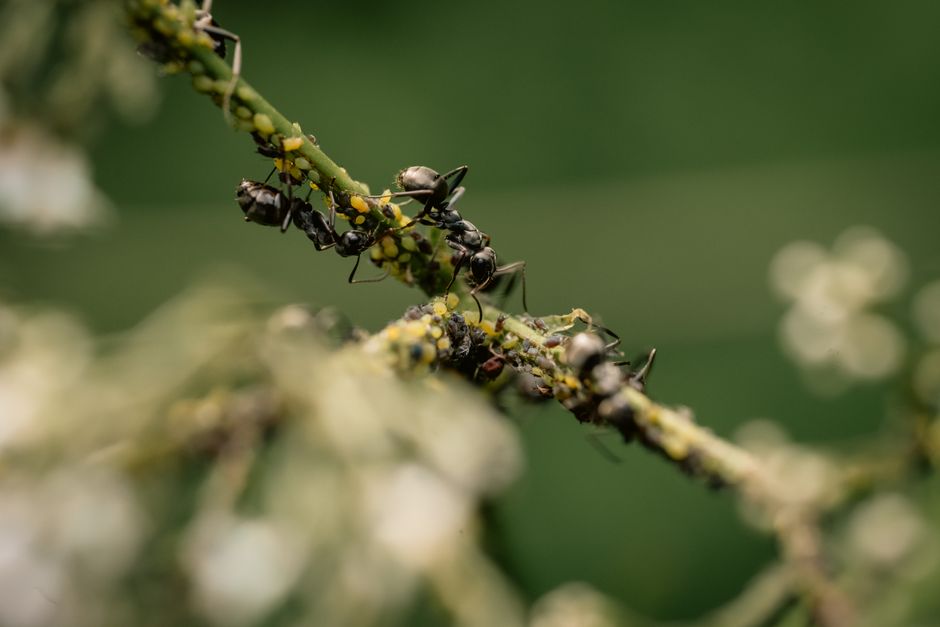
Morphological Adaptations of Acacias for Mutualism with Ants
Nature presents countless examples of cooperation, and one of the most fascinating is observed in the symbiotic relationship between certain acacia species (genus Acacia or Vachellia) and their ant guardians. This age-old interaction, a clear model of mutualism, is fundamental to the survival of both parties, demonstrating how evolution can forge complex alliances that benefit ecosystems. This phenomenon, prevalent in various tropical and subtropical regions, including the South American pampas in the case of some acacia species, illustrates the sophistication of plant defense strategies and the adaptability of insect communities.
The foundation of this mutualistic relationship lies in specific morphological adaptations developed by acacias to attract and retain their ants. The acacia species involved in this mutualism, such as Vachellia cornigera or Vachellia collinsii, exhibit specialized structures. One of these is extrafloral nectaries, glands that produce a nectar rich in sugars and amino acids, but not associated with pollination. These nectaries serve as a constant food source for the ants, offering them vital energy without the need to forage elsewhere. Additionally, many of these acacias develop domatia, hollow cavities in their thorns or stems that serve as shelter and nesting sites for ant colonies. These structures provide physical protection against predators and adverse climatic conditions, ensuring a safe home for the ants. Some species also produce Beltian bodies, small, nutritious structures rich in lipids and proteins located at the tips of the leaflets, which supplement the ants’ diet, particularly for their larvae.
Defense Mechanisms and Competition Control by Guardian Ants
The benefit to the acacia is direct and multifaceted: the ants act as a highly effective security force. Their primary function is defense against herbivores. When an insect, mammal, or any other animal attempts to feed on the acacia’s leaves or shoots, the ants emerge aggressively from their domatia, attacking and driving away the intruder. They use bites and, in some cases, release formic acid, an irritating substance that deters most herbivores. This defense is crucial, especially for young plants and tender shoots, which are the most vulnerable. Beyond protection from large herbivores, the ants also control small phytophagous insects that could cause significant damage. Another vital service is the elimination of competing vegetation. The ants actively patrol the ground around the base of the acacia, pruning and removing any seedlings or shoots of other species that attempt to grow nearby, reducing competition for light, water, and nutrients. Some research has documented that the absence of ants on these acacias results in higher plant mortality or significantly reduced growth.
The relationship between acacias and ants is a classic example of coevolution, where both species have evolved in response to each other, refining their adaptations to maximize mutual benefits. The specificity of some of these interactions is remarkable; certain ant species inhabit only a particular type of acacia, and vice versa. This specialization minimizes competition and optimizes the efficiency of the mutualism. The energetic costs for the acacia in producing nectaries and Beltian bodies are more than compensated by the protection it receives. Similarly, the ants obtain a safe home and a constant food supply, allowing them to invest less energy in resource acquisition and more in defending their home. This interdependence has shaped the biology of both organisms, leading to ecological stability within their respective niches.
Coevolution and Specificity in the Acacia-Ant Association
The study of acacia-ant mutualism offers valuable insights into ecosystem resilience and biodiversity. Recent research explores how factors such as climate change and habitat alteration can impact the stability of these interactions. For instance, variations in temperature and water availability could affect nectar production by the acacia or ant activity, disrupting the relationship. Genetic studies are unraveling the molecular mechanisms underlying the specificity of recognition between acacia and ant species, revealing the intricate chemical signaling that enables this alliance. Understanding these mutualisms is crucial for conservation strategies, as the loss of a key species can have cascading effects throughout the ecosystem. For example, the introduction of invasive ant species that do not defend the acacia, or the disappearance of native ant species due to pesticides, can leave acacias vulnerable, affecting the local plant community structure. These complex systems serve as models for understanding how nature builds interconnected webs of life, essential for planetary health.
The alliance between acacias and ants is an eloquent testament to the interconnectedness in nature. This mutualism not only ensures the survival of two species but also contributes to the stability and diversity of the ecosystems where they thrive. From the plant’s morphological adaptations to the ants’ complex behaviors, every aspect of this relationship underscores the importance of cooperation in evolution. Understanding and protecting these symbiotic interactions is fundamental to appreciating the richness of biodiversity and to informing conservation practices in an ever-changing world.
Related Articles

Sustainable Gardening in Calakmul: Water Management, Soils, and Native Species
Integrating water management, agroforestry systems, and native species for botanical resilience in the Calakmul Biosphere Reserve.

Dragonfly Garden Design: Aquatic and Terrestrial Habitats for Biodiversity
Establish aquatic and terrestrial ecosystems with native plants to attract dragonflies, promoting biological control and local biodiversity in urban settings.

Clumping Bamboo: Selection, Eco-Benefits & Sustainable Landscaping
Explore the selection of clumping bamboos for gardens, highlighting their controlled growth, ecological benefits, and sustainable management techniques.

Bonaerense Native Flora: An Ecological Haven for Butterfly Populations
Implementing gardens with native host and nectar plants in Buenos Aires to support pollinators and local biodiversity.