Jabuticaba in Pots: Selection, Management & Fruiting
Optimizing potted jabuticaba cultivation: cultivar selection, substrate, watering, pruning, and pest control for production in small spaces.
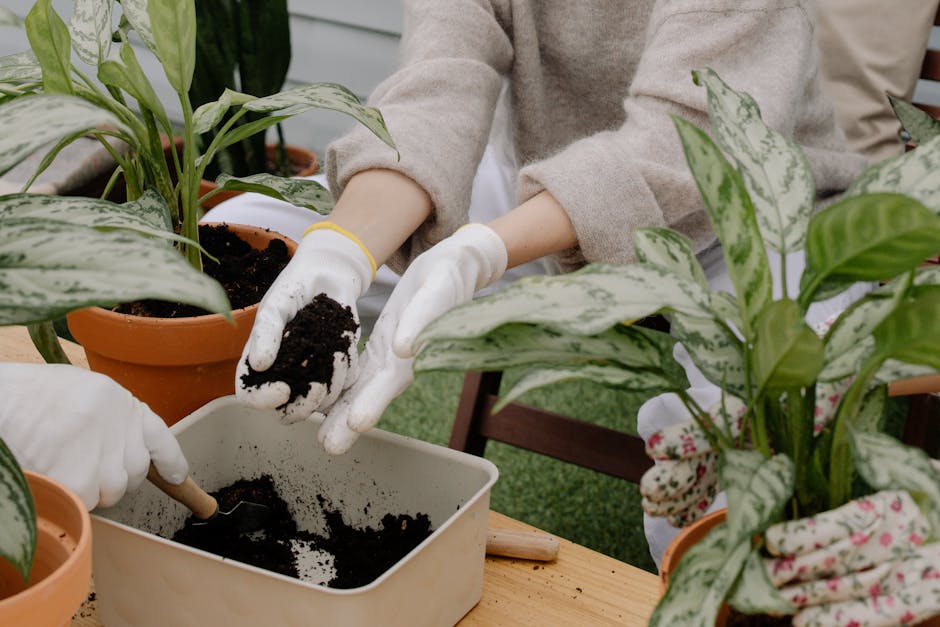
Genotype and Container Selection for Myrciaria cauliflora
Integrating fruit trees into urban environments is a growing trend, driven by the pursuit of self-sufficiency and the appreciation of ornamental and productive species. Among the most appealing options, jabuticaba (Myrciaria cauliflora or Plinia cauliflora) stands out due to its unique cauliflory (fruit growing directly on the trunk and branches) and its excellent adaptation to container cultivation, offering sweet and nutritious fruits in limited spaces. This approach allows urban gardeners and hobbyists to enjoy this South American native species, transforming balconies and patios into small productive oases. Container cultivation of this myrtle family member demands specific knowledge to optimize its development and ensure sustained production.
The appropriate choice of cultivar and container is fundamental to the success of potted jabuticaba cultivation.
1.1. Identifying Container-Suitable Cultivars
Specific jabuticaba cultivars demonstrate greater suitability for container cultivation. Varieties like ‘Sabará’ and ‘Ponkan’ are known for their more compact growth and their ability to fruit early, even in limited spaces. Other genotypes, such as ‘Branca’ or ‘Olho de Boi’, while cultivable, require larger containers and more intensive management. Research into new varieties under development, with dwarf characteristics or improved resilience, is a current trend in urban horticulture.
- Analysis of jabuticaba genotypes with potential for container cultivation: growth characteristics, precocity, and resilience to urban conditions.
- https://www.infoagro.com/frutas/frutas_tropicales/jaboticaba.htm
1.2. Container Technical Specifications
The container’s volume directly influences root development and, consequently, the tree’s productive capacity. For young jabuticabas, pots of at least 40-50 liters are recommended, progressing to containers of 80-100 liters or more as the plant matures. Materials such as porous ceramic or geotextile fabric containers promote better root aeration and prevent waterlogging, a critical factor for plant health. The container design must ensure efficient drainage, preventing water accumulation.
- Technical considerations for pot selection: volume, materials, and drainage design to optimize jabuticaba root growth.
Specific Edaphoclimatic and Nutritional Requirements
An appropriate substrate and a balanced nutritional regime are essential for the vitality of potted jabuticaba.
2.1. Optimal Substrate Composition
Jabuticaba thrives in acidic soils, with an ideal pH between 5.5 and 6.5. The substrate mix must offer excellent drainage and moisture retention simultaneously. A recommended formulation includes peat or coco coir (for acidity and retention), perlite or coarse sand (for drainage), and compost or worm castings (for nutrients and structure). Incorporating organic matter improves cation exchange capacity and micronutrient availability, which are fundamental for plant health.
- Edaphic characteristics for potted jabuticabas: substrate mix, pH adjustment, and organic components for optimal root development.
- https://www.lahuertinadetoni.es/preparacion-del-sustrato-para-huerto-urbano-y-macetas/
2.2. Nutritional Management and Fertilization
Potted jabuticabas require regular fertilization due to nutrient limitations in the substrate. A balanced fertilizer, preferably slow-release, or frequent liquid applications during the active growing season are advised. Iron deficiency is common in alkaline soils, manifesting as leaf chlorosis, and can be corrected with iron chelates. Integrating organic fertilizers like compost tea or bat guano enriches soil microbiota and provides nutrients gradually, aligning with regenerative agriculture practices.
- Nutritional regimen for potted jabuticabas: fertilizer types, deficiency correction, and application of organic amendments for vigorous growth.
2.3. Climatic Factors and Location
Sun exposure is a determining factor; jabuticaba needs at least 6 hours of direct sunlight per day for optimal fruiting. In regions with very intense summers, such as some areas of Argentina, slight protection during peak hours can prevent leaf scorch. The plant tolerates brief periods of cold, but severe frosts can damage young shoots and flowers. Strategic placement of the container, protecting it from strong winds and extreme temperatures, is crucial.
- Environmental requirements for potted jabuticaba cultivation: solar exposure, thermal protection, and strategic location to maximize fruit production.
Water Management and Structural Pruning for Fruiting
Water management and tree shaping through pruning are essential practices.
3.1. Efficient Watering Strategies
Watering should be constant and uniform, keeping the substrate moist but never waterlogged. Jabuticaba is sensitive to both drought and overwatering, which can cause flower and fruit drop. Implementing drip irrigation systems or using soil moisture sensors, a growing innovation in home gardening, optimizes water supply and minimizes waste. Watering frequency varies according to the season and plant size, being more intense in summer and during fruiting.
- Watering techniques for potted jabuticabas: water management, prevention of waterlogging, and use of technologies to optimize water efficiency.
- https://www.gardena.com/ar/experiencia/jardineria/riego/riego-por-goteo/
3.2. Training and Maintenance Pruning
Pruning in jabuticaba serves both aesthetic and productive purposes. Initial training pruning helps establish a strong, open branch structure, facilitating light penetration and air circulation. Subsequent maintenance pruning focuses on removing dead, diseased, or inwardly growing branches, as well as controlling the plant’s size to fit the pot space. This practice stimulates flowering and fruiting, which occurs directly on the trunk and main branches.
- Pruning principles for Myrcia cauliflora: structural training, removal of unproductive branches, and size control to optimize health and fruiting.
The protection against pests and diseases, along with techniques to stimulate production, are key.
Phytosanitary Control and Floral Induction Techniques
4.1. Detection and Control of Pathogens
Although jabuticaba is relatively resistant, it can be affected by scale insects, aphids, or mites, especially in urban environments with lower biodiversity. Regular plant inspection allows for early detection. Biological control methods, such as introducing beneficial insects (lacewings, ladybugs) or using plant extracts (neem oil), are preferable for maintaining organic and sustainable cultivation. Prevention of fungal diseases is achieved through good drainage and adequate air circulation.
- Identification of common pests and diseases in potted jabuticabas: biological control strategies and preventive measures to maintain plant health.
- https://www.jardineriaon.com/control-de-plagas-y-enfermedades-en-plantas-de-exterior.html
4.2. Floral Induction and Harvest Maximization
Jabuticaba can fruit several times a year under optimal conditions. To stimulate flowering, a period of slight water stress followed by abundant watering is beneficial. Applying fertilizers rich in phosphorus and potassium during pre-flowering also contributes to increased fruit production. Pollination, although often occurring naturally, can be improved by the presence of pollinators or through manual pollination in enclosed environments. Attention to these techniques ensures abundant and high-quality harvests.
- Factors influencing jabuticaba flowering and fruiting: induction techniques, nutritional management, and pollination enhancement to optimize fruit production.
Potted jabuticaba cultivation represents a rewarding opportunity to integrate fruit production into urban spaces. Through careful cultivar selection, preparation of suitable substrate, precise water and nutrient management, and strategic pruning, it is possible to enjoy its exotic fruits at home. Applying sustainable practices and paying attention to innovations in urban gardening, such as smart irrigation systems and biological pest control, not only optimizes yield but also contributes to a healthier and more productive home ecosystem. This cultivation experience not only beautifies the environment but also connects the gardener with natural cycles and the satisfaction of harvesting their own food.
Related Articles

Urban Adaptive Horticulture: Principles and Strategies of Garabato Cultivation
Garabato Cultivation optimizes urban spaces with flexibility, resilient species selection, and efficient water and waste management.

Container Potato Cultivation: Taxon Selection, Substrate, and Urban Water Management
Enhance potato cultivation in urban containers. Variety selection, substrate composition, and water management techniques for successful harvests.

Optimizing Space and Fruit Diversity Through Citrus Multi-Grafting
Details bud and scion grafting techniques, rootstock selection, post-grafting management, and innovative adaptations for poly-varietal citrus trees.

Solar Stress Mitigation: UV & Water Management for Crops
Strategies to protect plants from extreme UV radiation and heat using netting, mulching, efficient irrigation, and adapted species selection.