Low-Maintenance Gardening: Design, Species, Resources for Green Spaces
Optimizing gardens through resilient species selection, mulching, efficient irrigation, and zoned design to minimize time investment.

Selecting Adapted, Low-Maintenance Plant Varieties
Creating a vibrant green space doesn’t require an exhaustive time commitment. For individuals with busy schedules, low-maintenance gardening offers an ideal solution, transforming stress into serenity. This approach prioritizes efficiency by selecting suitable species, optimizing resource use, and applying smart design principles, allowing you to enjoy natural beauty without sacrificing free time.
The success of a low-maintenance garden hinges on intelligent plant choices. Identifying native or locally adapted species minimizes the need for supplemental watering and treatments against pests and diseases. These plants, such as Verbena bonariensis, ornamental salvias, or indigenous grasses, possess inherent resilience to the environmental conditions of their region, from humid plains to arid central-western areas. Their life cycles align with climatic patterns, reducing the necessary intervention. Furthermore, incorporating slow-growing varieties or those that don’t require frequent pruning, like certain evergreen shrubs or dwarf conifers, significantly lessens the workload. Current research emphasizes the importance of local biodiversity in strengthening garden ecosystems, promoting a natural balance that reduces the need for external control. For instance, using species that attract pollinators and natural predators contributes to biological pest control, a significant advancement in sustainable gardening.
Optimizing Substrates and Efficient Irrigation Management
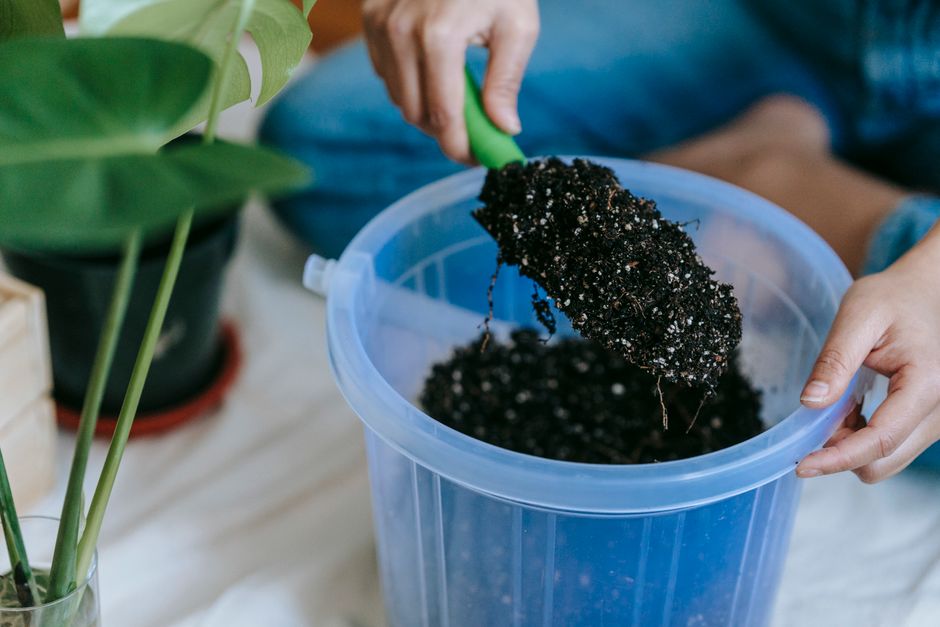
A healthy soil base is fundamental for garden autonomy. Improving soil structure by adding organic compost enriches its microbiology, optimizes drainage, and enhances moisture retention. This practice reduces the need for constant fertilization and ensures plant vigor. An essential technique is mulching, which involves covering the soil surface with organic materials like pine bark, wood chips, or straw. Mulch suppresses weed growth, retains soil moisture, moderates root zone temperature, and gradually adds nutrients. Recent studies from the University of Buenos Aires demonstrate that mulching can reduce soil water evaporation by up to 30%, a crucial factor in contexts of climatic variability. For water management, implementing drip or micro-sprinkler irrigation systems is a smart investment. These systems deliver water directly to the plant’s root zone, minimizing losses from evaporation and runoff. Integrating moisture sensors and smart timers, compatible with mobile applications like Gardena smart system (https://www.gardena.com/ar/productos/riego/riego-smart/) or Rachio (https://rachio.com/), allows for automated watering based on the garden’s actual needs and weather conditions, optimizing water consumption and freeing the gardener from this routine task.
Design planning is a cornerstone in creating a low-maintenance garden. Zoning, which groups plants with similar light and water requirements, greatly simplifies care. For example, a xeriscaped zone with succulents and cacti may require minimal watering, while an area with plants having higher water needs benefits from a concentrated drip system. Incorporating hardscaping elements like stone paths, patios, or gravel areas reduces the lawn surface, which is one of the most demanding components in terms of maintenance. Using containers and pots allows for flexibility and control over plant growing environments, facilitating their care and relocation. For small spaces, vertical gardening with modular structures or green walls offers an innovative solution, maximizing cultivable area with a notable visual impact and manageable maintenance. Choosing durable materials for outdoor furniture and structures also contributes to reducing tasks by avoiding frequent repairs or replacements. Trends like urban permaculture inspire designs that integrate functionality with aesthetics, creating resilient ecosystems that require less human intervention.
Strategic Landscape Design and Durable Structural Elements
Adopting these strategies transforms the garden into a personal sanctuary, a space for enjoyment that doesn’t demand an overwhelming time commitment. Low-maintenance gardening not only frees up hours in your schedule but also fosters a deeper connection with nature, promoting sustainability and well-being. An intelligently designed garden is a testament that beauty and practicality can coexist harmoniously.
Related Articles
Cultivate Abundance: Crafting Your Own Potent Organic Fertilizers at Home
Transform your garden with cost-effective, homemade organic fertilizers, boosting soil health and plant vitality naturally for a thriving harvest.

Adaptive Gardening in the Sonoran Desert: Water Conservation and Biodiversity
Utilizes water conservation techniques, native xerophyte selection, and monitoring technologies to create sustainable oases in arid ecosystems.

Pond Design and Construction: Biodiversity and Balance for Your Garden
A detailed guide to creating a garden pond, from planning and construction to selecting plants and wildlife, ensuring a balanced ecosystem.

Permaculture in the Garden: Ecological Design for Sustainable Cultivation
Master permaculture's ecological design principles for self-sufficient, resilient, and productive gardens in Latin America.