Modern Garden Design: Principles, Materials, Technology, and Sustainability
Optimizing outdoor spaces with clean lines, durable materials, strategic plant selection, and efficient water/lighting technologies.
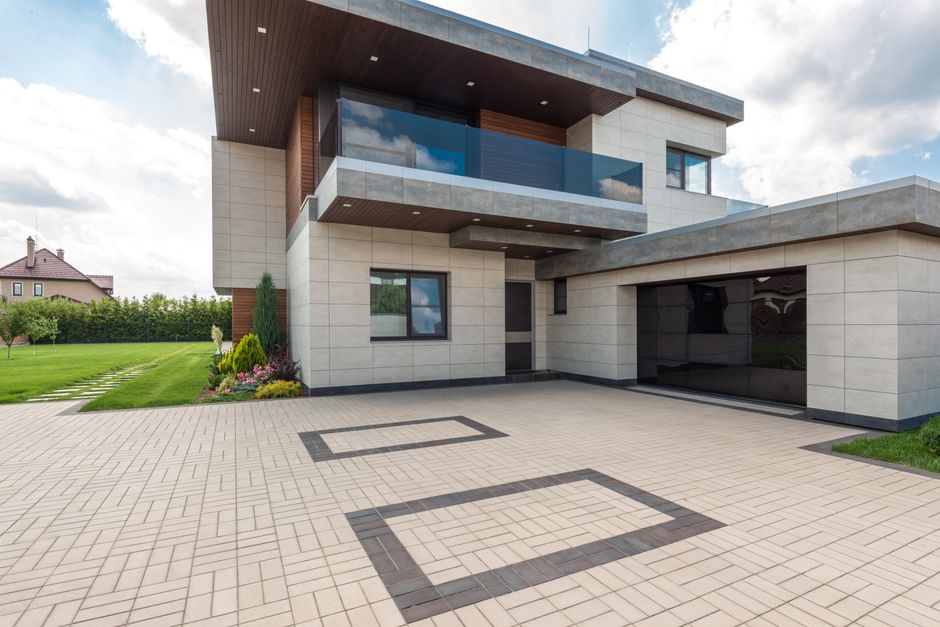
Principles of Geometric Design and Spatial Functionality
Modern garden design transcends mere aesthetics; it embodies a philosophy that prioritizes functionality, sustainability, and harmonious integration with the environment. This approach is distinguished by its emphasis on clean lines, geometric forms, and a precisely selected palette of materials and plants. A modern-style garden aims to create outdoor spaces that are not only visually appealing but also practical and low-maintenance, reflecting a contemporary and conscious lifestyle.
The conception of a modern garden is founded on spatial clarity and organization. Geometry plays a central role, manifesting in straight pathways, defined beds, and the strategic arrangement of elements. Functionality is a cornerstone, ensuring that each area of the garden serves a specific purpose, whether for relaxation, circulation, or showcasing plant species. The simplification of forms and the minimization of redundant decorative elements contribute to a neat and orderly aesthetic.
An analysis of the integration of structural and plant elements is fundamental to maximizing the garden’s utility. Materials such as polished concrete, treated wood, Corten steel, and natural stone are prioritized for their ability to provide texture and durability. The choice of these materials not only defines the structure but also establishes a visual dialogue with the surrounding architecture, creating a coherent extension of the living space. Planning levels and the use of low walls or raised planters are common techniques to add visual interest and delineate zones without cluttering the landscape.
Selection of Structural Materials and Architectural Dialogue
The selection of flora in a modern garden leans towards species with distinctive architectural forms, interesting textures, and reduced maintenance requirements. Plants that contribute to the garden’s visual structure are favored, such as ornamental grasses (e.g., Pennisetum alopecuroides, Stipa tenuissima), large succulents and cacti, or evergreen shrubs with well-defined shapes. The color palette is typically subdued, with an emphasis on greens and grays, allowing shapes and textures to take center stage.
Criteria for choosing flora and materials harmonize with modern aesthetics and water efficiency. In regions like Argentina and its surroundings, incorporating native or climate-adapted species, such as certain varieties of Cortaderia selloana (pampas grass), Senecio candicans (dusty miller), or Aptenia cordifolia (heartleaf ice plant), not only reduces water consumption but also promotes local biodiversity. The technique of xeriscaping, which utilizes plants with low water requirements, is increasingly relevant. Hardscaping materials, such as concrete pavers, decorative gravel, or wooden decks, are used to create walkable surfaces and seating areas, complementing the vegetation without competing with it.
Sustainability is a central axis in modern garden design, driven by technological innovations. The implementation of smart irrigation systems, with moisture sensors and automatic programming, optimizes water usage, reducing consumption by up to 50%. These systems, often controllable via mobile apps, allow for precise and efficient management, adapting to the specific needs of each species and climatic conditions. Rainwater harvesting through underground cisterns or integrated storage tanks is another growing practice that decreases reliance on the municipal supply.
Architectural Plant Components and Color Palettes
Outdoor LED lighting offers aesthetic and energy-efficient solutions, highlighting architectural elements, pathways, or focal points in the garden. Smart lighting systems allow for intensity and color regulation, creating different ambiances for various occasions. Furthermore, the integration of solar panels to power lighting or small irrigation devices is a growing trend that reinforces the space’s energy autonomy. The concept of vertical gardens or green walls, utilizing hydroponic or lightweight substrate systems, maximizes space utilization in dense urban environments, contributing to air purification and thermal insulation.
A key objective of the modern garden is low maintenance, achieved through careful planning and appropriate species selection. Pruning and care techniques that preserve the form and structure of the modern design over time are essential. Plants with controlled growth that do not require frequent or complex pruning are preferred. The use of mulching with gravel, pine bark, or volcanic rock not only suppresses weed growth but also helps retain soil moisture and provides a uniform aesthetic layer. This approach significantly reduces the need for weeding and watering.
Regular monitoring of plant health and early intervention for pests or diseases minimize the need for intensive treatments. Permaculture, with its emphasis on observation and the creation of self-sufficient ecosystems, offers applicable principles for maintaining garden vitality with minimal intervention. For example, introducing companion plants that repel pests or attract beneficial insects is an effective and ecological strategy. Periodic cleaning of fallen leaves and general tidiness contribute to maintaining the minimalist and orderly appearance that defines the modern style.
Integration of Native Species and Xeriscaping Techniques
Modern garden design is an invitation to creativity and environmental consciousness. By combining clear design principles, intelligent selection of materials and species, and the integration of sustainable technologies, it is possible to create a contemporary oasis that not only beautifies the home but also promotes balance with nature. Thoughtful planning and attention to detail are key to achieving an outdoor space that is both a personal sanctuary and a statement of style and commitment to the environment.
Related Articles

Integrated Summer Turf Management: Watering, Nutrition, and Health for High Resilience
Enhance summer turf health with advanced watering, strategic nutrition, and pest management for maximum resilience.

Designing Gardens for Praying Mantis Conservation and Management
Landscaping strategies and plant selection to create habitats supporting praying mantises, promoting biological pest control.

Rose Pruning: Seasonal Techniques and Physiology for Optimal Flowering
Understand rose pruning: when, how, and why. Improve plant health, structure, and flowering.

Condalia microphylla: Biology, Cultivation, and Utilization of Piquillín
Details the biology, establishment, care, harvest, and culinary/medicinal uses of piquillín, highlighting its ecological and nutritional value.