Syagrus romanzoffiana: Edaphoclimatology, Propagation & Sustainable Management
Details edaphoclimatic requirements, germination/transplant methods, and water-nutritional management of Pindo Palm for landscape integration.

Edaphoclimatic Factors for Pindo Palm Cultivation
The Pindo Palm (Syagrus romanzoffiana), a majestic and emblematic species of South America, adorns landscapes from northeastern Argentina to southern Brazil. Its elegant stature and resilience position it as a prominent choice for gardens and urban spaces in the region. Adopting the cultivation of native species like the Pindo Palm not only beautifies the environment but also actively contributes to local biodiversity and ecosystem resilience against current climate challenges. This approach promotes conscious landscaping that values native flora and its inherent benefits.
Analysis of optimal soil, light, and climate conditions that favor the robust development of the Pindo Palm. The success in establishing the Pindo Palm fundamentally depends on a precise understanding of its environmental requirements. This species thrives in temperate to subtropical climates, characteristic of its natural distribution area, which includes vast zones of Argentina, Uruguay, and Paraguay. Full sun exposure is crucial for its vigorous growth, although it tolerates partial shade during its initial stages. Regarding substrate, the Pindo Palm demonstrates remarkable adaptability, though it prefers fertile, well-drained, and slightly acidic to neutral soils. Incorporating organic matter improves soil structure and its moisture retention capacity, vital elements for a healthy root system. In urban environments, where soils can be compacted or of low quality, proper preparation of the planting site is essential. Amending the soil with compost or organic fertilizer is recommended to replicate the optimal conditions this palm would find in its natural habitat. A recent study from the University of Buenos Aires on the adaptation of native species in urban green spaces underscores the importance of soil quality for the resilience of palms in modified environments.
Propagation and Establishment Methods for Syagrus romanzoffiana
Effective procedures for seed germination and successful transplanting of young Pindo Palm specimens. The propagation of the Pindo Palm is primarily done from seeds. These require a process of scarification and stratification to break dormancy and stimulate germination, which can be slow and erratic if not managed correctly. Soaking seeds in warm water for 24-48 hours, followed by sowing in a light, well-drained substrate, significantly increases success rates. The optimal temperature for germination ranges between 25°C and 30°C. Once seedlings have developed a few true leaves and a robust root system, they can be transplanted into individual pots or directly into their final site. Selecting young specimens with good development is crucial to ensure successful acclimatization. At the time of transplanting, the root ball should be handled with care to avoid damaging the roots. The current trend in nurseries is the use of biodegradable containers that minimize transplant stress and promote faster establishment in the soil. For ground establishment, excavating a planting hole at least twice the width of the root ball and the same depth allows roots to expand without restriction. Backfilling with a mixture of native soil and compost ensures an adequate nutritional start.
Water and Nutritional Management for Established Pindo Palms
Efficient irrigation strategies and organic fertilization plans to maintain the vitality of the Pindo Palm. Post-establishment management of the Pindo Palm is relatively straightforward once the palm is well-rooted. During the first few years, regular watering is indispensable, especially during dry periods, to ensure consistent development. Once mature, the Pindo Palm shows good drought tolerance, although supplementary watering during prolonged summers benefits its foliage and fruiting. Smart irrigation technologies, such as soil moisture sensors, represent an innovation that allows for optimized water consumption, avoiding excess or deficit, a practice increasingly relevant in the context of sustainable water management. For more details on its cultivation, you can consult Infojardin.
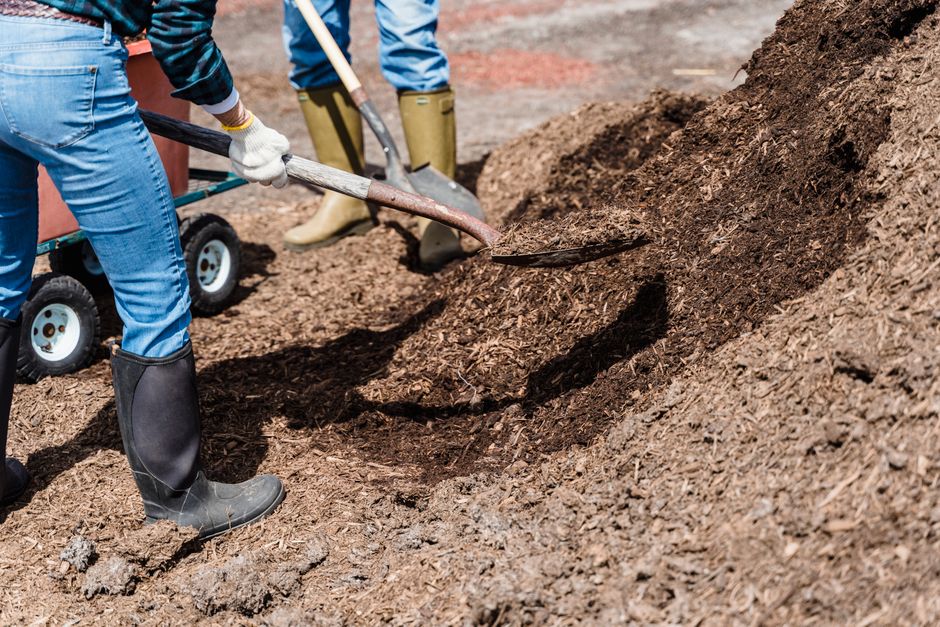
Regarding nutrition, the Pindo Palm benefits from annual fertilizations, preferably with organic fertilizers or mature compost, applied around the base of the trunk in spring. This not only provides essential nutrients but also improves soil microbial activity and structure. Implementing mulching techniques with wood chips or bark around the base of the palm is a beneficial practice. This strategy conserves soil moisture, suppresses weed growth, and adds organic matter as it decomposes, aligning with the principles of regenerative agriculture. Pruning in the Pindo Palm is generally limited to removing old, dry, or diseased leaves to maintain its aesthetic appeal and the plant’s overall health. It is crucial to use clean, disinfected tools to prevent disease transmission.
Aesthetic and Ecological Considerations for Incorporating Pindo Palm into Urban and Rural Green Spaces
Aesthetic and ecological considerations for incorporating the Pindo Palm into urban and rural green spaces. The Pindo Palm offers significant aesthetic and ecological value for landscaping. Its slender trunk and feathery fronds provide distinctive texture and height, creating focal points or adding a tropical feel to gardens and parks. It is an excellent choice for avenues, plazas, or as a solitary specimen on wide lawns. Beyond its beauty, the Pindo Palm fulfills a vital ecological role. Its fruits are a food source for wildlife, including various species of birds and mammals, contributing to local biodiversity. For detailed botanical information, you can refer to Flora Argentina.
The current trend in landscaping favors the use of native species not only for their lower maintenance requirements once established but also for their better adaptation to local climatic conditions, reducing the need for irrigation and phytosanitary products. Integrating the Pindo Palm into permaculture designs or rain gardens is also an innovative practice, leveraging its robustness and ability to withstand moisture fluctuations. This reinforces the concept of sustainable gardening, which aims to create balanced and resilient ecosystems. Choosing Syagrus romanzoffiana is a step towards creating green spaces that are not only visually attractive but also functionally ecological and sustainable in the long term, as highlighted by INTA in its publications.
The cultivation of the Pindo Palm represents an investment in the beauty and sustainability of our landscapes. By understanding its edaphoclimatic requirements, applying appropriate propagation techniques, and providing conscious post-establishment management, it is possible to enjoy the majesty of this native species. Its inclusion in landscaping projects contributes to biodiversity conservation and promotes more environmentally friendly gardening practices, reflecting a commitment to South America’s natural heritage.
Related Articles

Optimizing Gardens Through Meteorological Analysis and Agricultural Technologies
Integrate climate forecasts and sensor data to optimize planting, irrigation, protection, and harvest, enhancing horticultural resilience.
Soil Water Conservation: Mulch & Physical Mechanisms
Examines physical principles of mulching, categorizes organic and inorganic materials, and details application strategies for maximizing water retention.

Romantic Garden Design: Aesthetics, Botany, and Integrated Sustainability
Explore the fusion of romantic landscape design with ecology: structure, botanical selection, elements, and sustainable management for resilience.

Winter-Flowering Shrubs: Selection, Adaptation, and Ecological Benefits
Analysis of adaptation criteria, key species, and cultural management for winter-flowering shrubs and their impact on urban biodiversity.