Crop Rotation: An Agroecological Strategy for Integrated Weed Management
Investigate crop rotation's ecological and agronomic impacts on weed dynamics, soil health enhancement, and long-term agricultural viability.
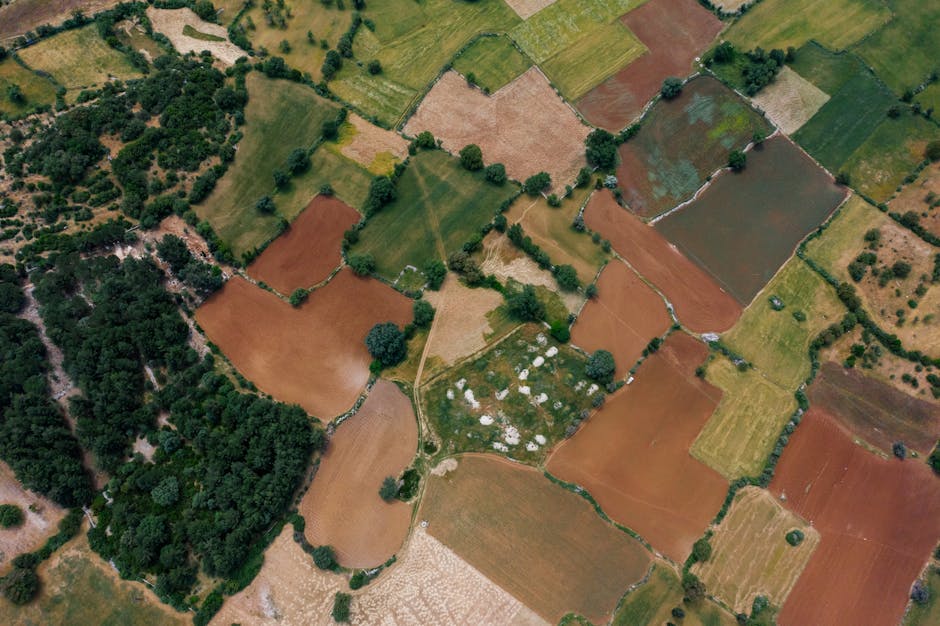
Disrupting the Biological Cycles of Unwanted Flora
Weed management presents a constant challenge for agricultural producers, impacting productivity and system sustainability. In this context, crop rotation emerges as a fundamental agroecological strategy, offering a robust and low-environmental-impact solution for controlling unwanted flora. This age-old practice, revitalized by the principles of regenerative agriculture, not only suppresses weeds but also contributes to soil health and agroecosystem biodiversity.
Crop rotation involves alternating different plant species in the same field over time. Its foundation lies in disrupting the biological cycles of pests, diseases, and, crucially, weeds. By varying the botanical families, growth habits (grasses, legumes, brassicas), and nutritional requirements of successive crops, it prevents the accumulation of weed populations adapted to a specific monoculture. This diversification fosters ecological balance, promoting beneficial microbial activity in the soil and optimizing nutrient utilization. A soil with improved structure and active microbial life is inherently more resistant to the proliferation of invasive weeds.
Competitive and Allelopathic Mechanisms in Crop Succession
The effectiveness of rotation in weed management is based on multiple mechanisms. First, alternating crops with different growth patterns and foliage densities creates varied competition for sunlight, water, and nutrients. For instance, a dense cover crop like vetch (Vicia sativa) can smother short-cycle weeds, while a tall-statured crop like corn (Zea mays) effectively shades the soil, inhibiting the germination of photoblastic weed seeds. Second, rotation disrupts the life cycle of specific weeds associated with certain crops, such as Digitaria sanguinalis in corn or Amaranthus quitensis in soybeans. By changing crops, these weeds are deprived of their host or the optimal conditions for their continued development. Third, some crops possess allelopathic properties, releasing chemical compounds that inhibit the germination or growth of other plants. Cereal rye (Secale cereale) and sorghum (Sorghum bicolor) are well-known examples of crops with significant allelopathic effects. For more information on these interactions, you can consult specialized resources from INTA here.
Planning an effective rotation sequence requires considering various factors. It is crucial to alternate crops from different botanical families (e.g., legumes with grasses), with different root systems (deep vs. shallow), and with varying nutrient requirements. The inclusion of cover crops is a growing and highly effective trend. Legumes like vetch or white clover (Trifolium repens) fix nitrogen, enriching the soil and competing with weeds, while grasses like cereal rye or oats (Avena sativa) produce abundant biomass that acts as natural mulch, suppressing weed emergence and improving soil structure. In no-till systems, prevalent in the Pampas region, rotation is even more critical for managing weed pressure without tillage. Current research, such as that conducted by INTA, emphasizes the importance of diverse sequences for the sustainability of the production system see studies.
Designing Agroecological Sequences for Soil Resilience
Crop rotation is not a static practice; it evolves with research and new technologies. Regenerative agriculture promotes more complex rotations and the integration of livestock, which can contribute to weed control through grazing. Advances in plant genomics are enabling the development of crop varieties that are more competitive against weeds, with greater initial vigor and shading capacity. Likewise, the development of digital tools and agronomic planning software facilitates producers in designing optimized rotation sequences, considering variables such as soil type, climate, and weed history. The increasing resistance of weeds to chemical herbicides underscores the urgency of adopting integrated approaches, where crop rotation plays a central role in the resilience and sustainability of agricultural systems in the face of climate change and biological pressure.
Crop rotation is a cornerstone of sustainable agriculture and a fundamental pillar in the agroecological management of weeds. Its implementation not only reduces dependence on external inputs but also strengthens soil health, enhances biodiversity, and contributes to long-term production stability. Adopting this practice is an investment in the vitality of our fields and gardens, ensuring abundant harvests and a more balanced environment for future generations of producers.
Related Articles

Ipomoea batatas: Botanical Characteristics, Cultivation, and Post-Harvest in Temperate Climates
Master sweet potato (Ipomoea batatas) cultivation: from variety selection and environmental conditions to harvesting and storage techniques.

Garden Pond Construction: Principles for Creating Balanced Aquatic Habitats
Understand the foundational principles and practical steps for designing and constructing a thriving aquatic habitat within a home garden.

Permaculture: Designing Sustainable Gardens for Urban and Peri-Urban Environments
Permaculture principles for designing and managing resilient home gardens, focusing on soil, water, and biodiversity in Latin America.

Horticultural Innovation in the Salar de Uyuni: Hydroponics, Aquaponics, and Bioengineering for Extreme Environments
Adapting crops to the Bolivian Altiplano using hydroponics, aquaponics, and halophyte selection, optimizing resources in saline soils.