Amazon Gardening: Soil, Agroforestry & Water Management
Analyzes Amazonian soil science, agroforestry, and water management, highlighting `terra preta`, native species, and permaculture for resilient cultivation.
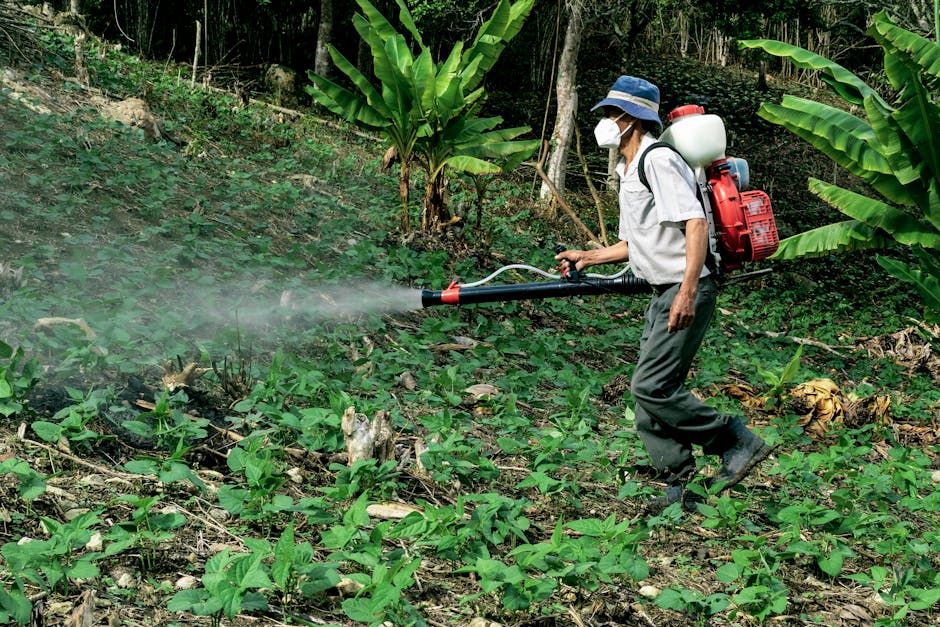
Amazonian Soil Science and the Replication of Terra Preta
Gardening in the Amazon rainforest presents a unique paradigm, challenging traditional conceptions and offering valuable lessons on ecosystem sustainability and resilience. This environment, characterized by its unparalleled biodiversity and extreme climatic conditions, demands an adaptive approach that honors natural cycles and ancestral practices. Understanding the complex interplay between soil, water, flora, and fauna is fundamental for any cultivation initiative in this vital region of the planet.
The analysis of Amazonian soil reveals a paradox: despite the luxuriant vegetation, many soils are intrinsically nutrient-poor. Rapid decomposition of organic matter and intense rainfall leach essential elements, contrasting with the superficial fertility. High humidity and constant temperatures, along with a distinct rainfall regime, define the environmental conditions. These characteristics necessitate soil management strategies that prioritize nutrient retention and structural stability. A fascinating example is terra preta, an anthropogenic soil of exceptional fertility, resulting from millennia-old indigenous practices that incorporated charcoal, organic waste, and pottery. Current research on terra preta drives the development of biochar and other organic amendments to replicate its lasting nutrient-retention capacity, offering innovative solutions for regenerative agriculture in the region, a subject of study at institutions like the Argentine Botanical Society [https://www.botanica.org.ar/].
Agroforestry Systems and Native Species Diversity
The implementation of agroforestry systems emerges as a central technique for gardening in the Amazon. These systems mimic the stratified structure of the rainforest, combining trees, shrubs, and annual or perennial crops within the same space. This practice not only optimizes land and light usage but also fosters biodiversity, improves soil fertility, and reduces erosion. The selection of native species is crucial, as these plants are adapted to local conditions, possess greater resistance to endemic pests and diseases, and contribute to the ecosystem’s genetic conservation. Examples include açaí (Euterpe oleracea), cupuaçu (Theobroma grandiflorum), and various palm species that offer fruits, fibers, and medicines. Permaculture, with its emphasis on designing productive and self-regulating ecosystems, finds fertile ground in the Amazon, integrating ecological and social knowledge to create resilient and productive systems.
Water management in an environment of high rainfall presents a particular challenge. While rain is abundant, rapid runoff can lead to soil and nutrient loss. Techniques such as building infiltration trenches, raised beds, and the use of mulching are fundamental for capturing and retaining soil moisture, as well as protecting it from erosion. Organic mulching, derived from plant residues, also contributes to humus formation and nourishes soil microfauna. The optimization of nutrient cycles is achieved through composting organic waste, incorporating nitrogen-fixing legumes, and using green manures. These practices reduce dependence on external fertilizers and promote a self-sufficient and balanced cultivation system. Recent studies explore the potential of biofertilizers based on native microorganisms to enhance nutrient assimilation in tropical soils, an innovation with significant potential for the region.
Water Management and Nutrient Cycles in Tropical Climates
In an ecosystem as diverse as the Amazon, pest and disease control must be based on ecological balance, avoiding the use of agrochemicals that could disrupt the delicate food web. Natural biological control is the predominant strategy, encouraging the presence of beneficial insects, birds, and other natural predators that keep pest populations in check. Crop diversity and the planting of species that act as natural repellents or living traps are effective tactics. Constant observation and understanding of local pest life cycles allow for timely and specific intervention, minimizing impact. The integration of local botany and knowledge of plant species interactions are pillars for organic and sustainable pest management, a philosophy shared by resources like Infojardín [https://www.infojardin.com/].
Gardening in the Amazon rainforest is more than an agricultural practice; it is an act of respect and learning from the planet’s most complex ecosystem. By adopting techniques that mimic natural resilience and by incorporating the knowledge of local communities and scientific advancements, it is possible to cultivate productively and sustainably. This approach not only benefits gardeners but also contributes to biodiversity conservation and the future of the Amazon.
Related Articles

Victorian Aesthetics and Botany: Composition, Phytogeography, and Sustainable Management
Explore Victorian garden spatial composition, botanical selection, and agronomic practices, integrating contemporary applications and sustainability.

Ecophysiology, Propagation, and Ethnobotanical Uses of Jarilla (Larrea spp.)
Ecophysiological adaptations, seed and cutting propagation methods, and ethnobotanical value of jarilla for restoration and gardening.

Adaptive Gardening in the Sonoran Desert: Water Conservation and Biodiversity
Utilizes water conservation techniques, native xerophyte selection, and monitoring technologies to create sustainable oases in arid ecosystems.
Lasagna Gardening Technique for Resilient and Biodiverse Horticultural Soils
Create fertile, resilient soils by layering organic matter, mimicking natural processes and fostering soil microbiota.