Deep Water Culture: Hydroponic Principles, Components, and Nutritional Optimization
Explore the DWC hydroponic system: oxygenation principles, essential components, and pH/EC management for optimized production.

Oxygenation and Nutrient Supply Principles in DWC
Deep Water Culture (DWC) represents an advanced hydroponic technique gaining traction among urban horticulturists and large-scale producers in Argentina and the region. This method is distinguished by its simplicity and efficiency, allowing plants to grow with their roots submerged directly in a highly oxygenated nutrient solution. The promise of abundant harvests with optimized use of water and space makes DWC a fundamental pillar for the agriculture of the future, especially in contexts of sustainability and climate change adaptation.
Fundamental Principles of Deep Water Culture
The essence of the DWC system lies in providing plant roots with constant and direct access to water, nutrients, and oxygen. Unlike other hydroponic systems that use inert substrates or flood-and-drain cycles, DWC keeps roots permanently submerged. Oxygenation of the solution is critical to prevent root suffocation and promote vigorous growth. This process is achieved through an air pump and an air stone, which introduce air bubbles into the reservoir, enriching the water with dissolved oxygen. The constant availability of these essential elements minimizes plant stress and accelerates their growth cycle.
Essential Components and DWC System Setup
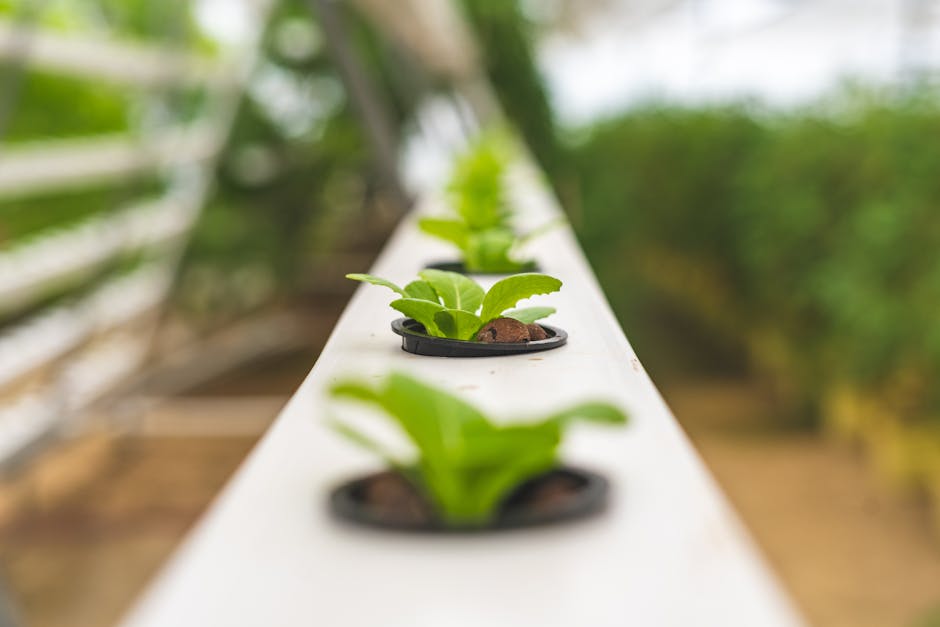
The implementation of a DWC system is relatively straightforward and consists of a few key components. An airtight reservoir or container, typically dark-colored to prevent algae growth, holds the nutrient solution. Plants are placed in net pots on top of this reservoir, which hold an inert growing medium like expanded clay pebbles or rockwool to provide physical support for the seedling. The bottom of the net pot allows roots to grow and submerge into the solution. An air pump, connected to an air stone via air tubing, continuously oxygenates the water. Additionally, a pH meter and an electrical conductivity (EC) meter are required to monitor and adjust nutrient levels and solution acidity, factors that are crucial for plant health. The choice of materials will directly influence the system’s durability and efficiency.
Management and Optimization of Parameters in DWC
Success in DWC cultivation largely depends on precise control of the nutrient solution. Water pH is a critical factor, as it directly influences nutrient availability to the plants. Generally, a pH range between 5.5 and 6.5 is ideal for most hydroponically grown species. Electrical conductivity (EC) measures the concentration of dissolved salts, i.e., the amount of nutrients present. It is essential to maintain EC levels within the recommended ranges for each plant growth stage, avoiding both nutrient deficiency and excess. Solution temperature is also important; between 18°C and 24°C (65°F and 75°F) is considered optimal for most crops, as higher temperatures can reduce dissolved oxygen and favor pathogens. Regular monitoring and adjustment of these parameters are essential to ensure optimal plant development and maximize harvest yield.
Innovations in DWC and Their Impact on Urban Agriculture
The DWC system is not only effective but also evolving with modern agricultural trends. Advances in smart sensors and automation systems allow for continuous monitoring and adjustment of pH, EC, and temperature levels, reducing the need for manual intervention. This technological integration is vital for vertical farming and urban farms, where space and efficiency are paramount. Recent research explores specific nutrient formulations for DWC that optimize absorption and minimize waste, aligning with the principles of regenerative agriculture. Furthermore, DWC’s ability to produce food in controlled environments positions it as a resilient technique against the challenges of climate change, ensuring local production of fresh vegetables. This method significantly contributes to reducing water consumption compared to traditional agriculture, a crucial factor in water-scarce regions like some areas of Argentina.
To delve deeper into the latest research on nutrient solutions and hydroponic system optimization, Argentina’s National Agricultural Technology Institute (INTA) offers valuable resources on its official website, such as in its publications section on intensive horticulture. Similarly, platforms like Infojardin https://www.infojardin.com/ or specialized blogs like La Huertina de Toni https://lahuertinadetoni.es/ often publish updated articles on hydroponics techniques and trends.
DWC cultivation offers an effective and sustainable way to produce food, from home use to commercial operations. Its simplicity, combined with the potential for automation and resource efficiency, makes it a technique with a promising future. For growers in the region, mastering DWC means opening the door to faster, healthier harvests with a lower environmental impact, marking a step forward in the adoption of innovative agricultural practices.
Related Articles

Crop Rotation: Strategies for Phosphorus Mobilization and Availability in Agricultural Soils
Explore soil phosphorus dynamics and how crop rotation, microbial diversity, and organic matter optimize its cycle and availability.

Comparative Analysis: Traditional Lunar Planting vs. Modern Agronomic Principles
Examining the scientific validity of lunar planting cycles, this post delves into critical agronomic principles that underpin successful crop cultivation.
NFT: Principles, Operation & Controlled Horticulture Applications
Optimizing hydroponic cultivation with NFT: principles, components, solution management, suitable crops, and food resilience.

Neoclassical Gardens: Geometry, Botany, Sustainability
Harmonize geometric structure, sculptural botany, and classical ornamentation with sustainable practices for functional and aesthetic neoclassical gardens.