Medicinal Herb Gardening: Selection, Design, and Sustainable Cultivation
Design strategies, species selection, and phytosanitary management for optimizing production and sustainability in home botanical gardens.

Species Selection for Medicinal Herbs and Climate Adaptability
The integration of a medicinal herb garden into the home represents a valuable opportunity to foster well-being and a connection with nature. This carefully designed space not only beautifies the surroundings but also offers direct access to botanical resources with therapeutic properties. The current trend towards sustainability and self-sufficiency in personal care drives interest in cultivating these species, allowing individuals to harness their benefits fresh and organically. Such a garden becomes a functional microecosystem, promoting local biodiversity and a conscious approach to health.
Choosing the right medicinal herbs is the foundation of a successful and productive garden. Factors such as local climate, sun exposure, and soil composition are decisive. In regions like Argentina and Latin America, various species thrive with ease. For example, lavender (Lavandula angustifolia) and rosemary (Rosmarinus officinalis) require full sun and well-drained soils, while spearmint (Mentha spicata) and lemon balm (Melissa officinalis) prefer partial shade and higher moisture.
It is recommended to prioritize species with proven uses and adaptability to the environment. Chamomile (Matricaria chamomilla), known for its calming properties, adapts to a wide range of soils. Calendula (Calendula officinalis), with its vibrant flowers and anti-inflammatory benefits, is robust and easy to grow. For those seeking options resistant to variable conditions, new varieties of echinacea (Echinacea purpurea) offer greater drought tolerance, reflecting advances in plant genetic improvement. Selecting these species not only ensures their viability but also contributes to a diverse and functional garden.
For informed selection, specialized resources on regional botany, such as those provided by the National Institute of Agricultural Technology (INTA) of Argentina, can be consulted. https://inta.gob.ar/
Botanical Garden Design and Artificial Microclimates
The physical design of a medicinal herb garden directly impacts its functionality and aesthetics. Planning the spatial layout optimizes plant growth and facilitates maintenance. Raised beds or planters are a popular option, improving drainage and soil quality, as well as reducing physical strain during work. Spiral structures, in turn, maximize space and create varied microclimates that benefit different species, allowing for a transition from dry environments at the top to moister ones at the base.
The arrangement of plants must consider their light requirements and final size. Taller species should be placed to the north (in the Southern Hemisphere) to prevent them from shading smaller ones. The implementation of companion planting is an agroecological strategy that enhances growth and protects against pests; for example, rue (Ruta graveolens) can repel insects that affect other herbs.
A crucial aspect of modern design is water management. Installing drip irrigation systems significantly reduces water consumption and ensures uniform hydration, a fundamental practice in contexts of climate change. The use of organic mulching, such as straw or wood chips, conserves soil moisture, suppresses weeds, and enriches organic matter. These design elements, based on permaculture principles, not only optimize production but also promote sustainability.
For further insights into design techniques, Infojardín offers valuable information: https://www.infojardin.com/
Organic Cultivation Techniques and Nutrient Management
Constant maintenance and the application of advanced cultivation techniques are essential for the vitality of medicinal herbs. Soil preparation is a fundamental pillar; a substrate rich in organic matter, with good drainage and aeration, favors root development. Incorporating compost or worm castings improves soil structure, providing nutrients sustainably and reducing the need for synthetic fertilizers. Recent studies by CONICET in Argentina highlight the importance of soil microbiology for plant health.
Regular pruning not only maintains plant shape but also stimulates the production of new leaves and flowers, maximizing yield. Species like basil (Ocimum basilicum) and mint benefit greatly from apical pruning, which encourages bushier growth.
Phytosanitary management focuses on the prevention and natural control of pests and diseases. Daily observation allows for the identification of problems in their early stages. The use of beneficial insects, such as ladybugs for aphid control, or the application of plant extracts (e.g., neem oil) are ecological alternatives to chemical pesticides. Implementing crop rotation, although more complex in an herb garden, contributes to disrupting soil pest and disease cycles.
Harvesting should be done at the optimal time, generally in the morning when essential oils are most concentrated. Herbs can be air-dried in a shady, ventilated place, or frozen to preserve their properties. These practices ensure the maximum potency of the plants’ active principles.
Biological Control and Active Principle Conservation Strategies
For more details on organic cultivation techniques, La Huertina de Toni can be consulted: https://lahuertinadetoni.es/
The conception and maintenance of a medicinal herb garden transcend mere gardening; they represent an investment in well-being and sustainability. By carefully selecting species, applying efficient design principles, and adopting advanced cultivation techniques, a resilient and productive space is created. This holistic approach not only provides a constant supply of natural remedies but also fosters a deeper connection with nature’s cycles and promotes environmentally friendly practices. The experience of growing and harvesting these herbs offers unique satisfaction, enriching both body and spirit.
Related Articles

Comparative Analysis: Traditional Lunar Planting vs. Modern Agronomic Principles
Examining the scientific validity of lunar planting cycles, this post delves into critical agronomic principles that underpin successful crop cultivation.
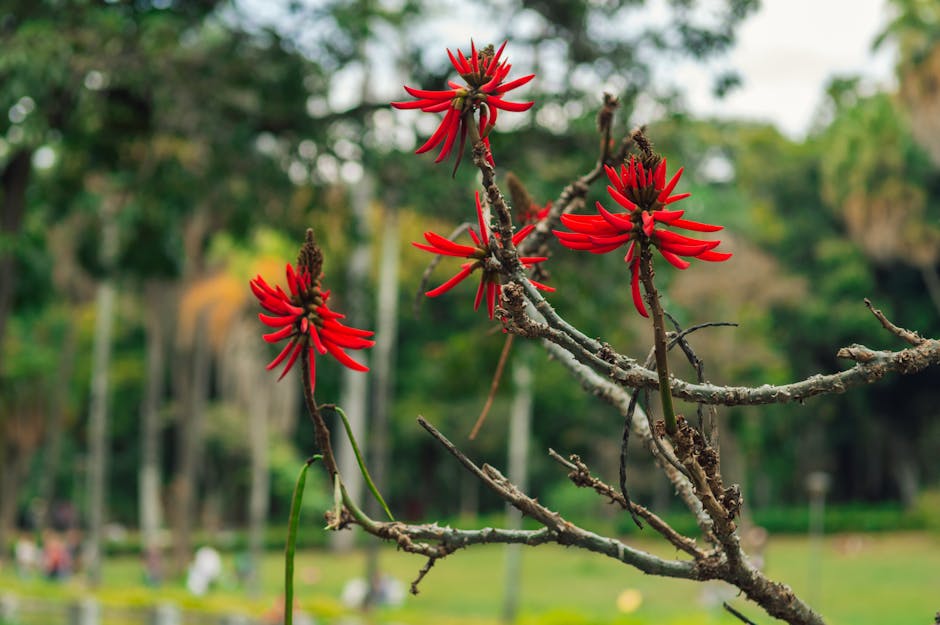
Erythrina crista-galli: Care, Propagation & Sustainable Management
Detailed analysis of climatic conditions, substrate, propagation methods, transplanting, and sustainable agronomic management of the Cockspur Coral Tree.

Optimizing Permaculture Garden Beds with Strategic Crop Rotation
Permaculture planting sequences to enhance soil fertility, control pests, and boost soil biodiversity through regenerative approaches.

Ziziphus mistol: Ecology, Cultivation, and Agro-industrial Potential of a Chaco Fruit Tree
Explore the ecology, propagation, agronomic management, and nutritional value of mistol, highlighting its adaptability and potential for agro-industry and sustainability.