Container Citrus Cultivation: Variety Selection, Substrate, Management, and Health
Optimizing potted citrus through varietal selection, well-draining substrates, controlled irrigation and nutrition, and preventive plant health strategies.

Genotype Selection and Container Optimization for Urban Citrus
The expansion of urban horticulture has fueled a renewed interest in growing fruit species in limited spaces. Citrus trees, with their evergreen foliage, fragrant flowers, and vibrant fruits, are an attractive option for balconies, patios, and terraces. Growing them in pots not only beautifies the environment but also offers the satisfaction of harvesting fresh fruit at home, adapting to modern life dynamics and sustainability trends. This approach allows gardening enthusiasts to access quality, often organic, produce without relying on large land areas.
The choice of citrus variety is crucial for success in pots. Dwarf cultivars or those grafted onto rootstocks with limited growth, such as Meyer lemon, calamondin orange, or Satsuma mandarin, are recommended. These species have a compact morphology that adapts well to container volumes. Container selection is equally important; materials like terracotta or ceramic are preferable due to their porosity, which facilitates substrate aeration and prevents waterlogging. The container size should be substantial, starting with at least 30-40 liters for young plants, and progressively increasing every two to three years to allow for root development. It is essential that the pot has ample drainage holes to prevent water accumulation, a critical factor for citrus root health. Current trends in urban agriculture favor the use of geotextile fabric pots, which promote natural root pruning and improve substrate oxygenation, contributing to more vigorous growth. For additional information on general citrus care, specialized resources like Infojardín can be consulted: https://www.infojardin.com/arboles/cuidados-citricos.htm.
Substrate Formulation and Specific Nutritional Regimes
The substrate is the anchoring and nutritional medium for potted citrus, making its composition vital. A mix with excellent drainage and moisture retention capacity, slightly acidic (pH between 6.0 and 7.0), is required. A suitable formulation could include garden soil, peat or coco coir, perlite or vermiculite, and coarse sand in balanced proportions. Perlite and vermiculite improve aeration and drainage, while peat or coco coir retain moisture. Incorporating mature compost or worm castings enriches the mix with organic matter and essential nutrients. Regarding nutrition, citrus plants are demanding in nitrogen, phosphorus, and potassium (NPK), as well as micronutrients like iron, magnesium, zinc, and manganese, which are particularly important for preventing chlorosis. Regular fertilization during the growing season (spring and summer) is recommended with specific citrus fertilizers, either slow-release granules or liquids applied bi-weekly. Foliar application of iron chelates can quickly correct deficiencies. For a detailed analysis on the ideal substrate, Agromática offers relevant information: https://www.agromatica.es/sustrato-ideal-para-citricos-en-maceta/.
Water management is a fundamental pillar in container citrus cultivation. Inconsistent or excessive watering can lead to leaf and fruit drop, as well as root rot. It is crucial to keep the substrate uniformly moist but never waterlogged. Watering frequency varies depending on the season, plant and pot size, and weather conditions. During summer, daily watering might be necessary, while in winter, the frequency decreases considerably. A reliable indicator is to check substrate moisture by inserting a finger a few centimeters deep; if it feels dry, it’s time to water. Citrus trees are heliotropic plants, meaning they require direct sunlight exposure of at least 6 to 8 hours daily for optimal flowering and fruiting. In latitudes like Buenos Aires, a north-facing orientation is ideal to maximize insolation. In the absence of sufficient direct sunlight, implementing LED grow lights can supplement light requirements, a growing innovation in domestic horticulture.
Water Management and Light Requirements for Optimal Growth
Pruning is an essential practice for maintaining tree shape, stimulating fruit production, and ensuring good air circulation. Formative pruning is recommended for young plants to establish a strong structure, and annual maintenance pruning to remove dry, diseased, or inward-growing branches. Pruning also helps control plant size, which is crucial in container gardening. Regarding plant health strategies, potted citrus can be susceptible to pests like aphids, scale insects, whiteflies, and mites. Regular inspection of foliage allows for early detection of infestations. For effective control, organic methods are prioritized: applying potassium soap or neem oil, manual pest removal, and introducing beneficial insects like ladybugs (or lacewings) for biological control. In terms of diseases, iron chlorosis is common and is corrected with iron chelates. Prevention is key; a healthy, well-nourished tree is more resistant to pests and diseases. Implementing small-scale integrated pest management (IPM) is a growing trend in urban gardening. For more details on ecological pest control, La Huertina de Toni can be consulted: https://lahuertinadetoni.es/control-de-plagas-en-el-huerto-ecologico/.
Cultivating citrus in pots is a rewarding experience that transcends mere gardening, offering direct contact with nature and the opportunity to enjoy fresh, aromatic fruits. With proper species selection, optimized substrate, consistent water and light management, and preventive pruning and plant health control practices, any enthusiast can transform a balcony or patio into a small citrus oasis. This approach not only contributes to food self-sufficiency but also promotes urban biodiversity and connection with natural cycles, enriching daily life.
Related Articles

Home Phytoremediation: Air-Purifying Plants and Biophilic Design for Healthy Environments
Integrate greenery into your home to improve indoor air quality. Discover key species and maintenance strategies for effective phytoremediation.
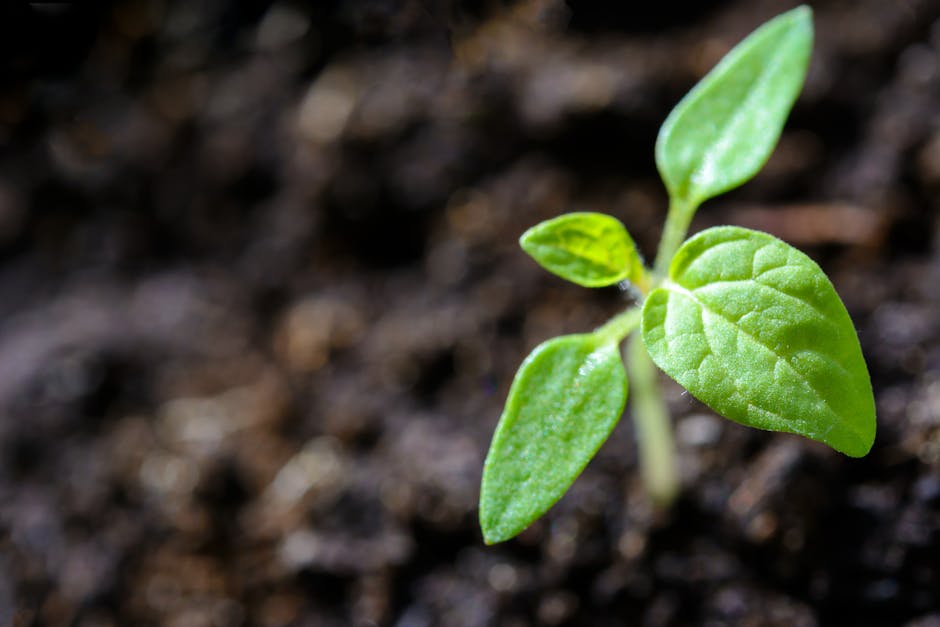
Fusarium Wilt in Tomatoes: Integrated Management
Crop rotation, biofumigation, and biocontrol to mitigate Fusarium oxysporum in Solanum lycopersicum, promoting soil health and sustainability.
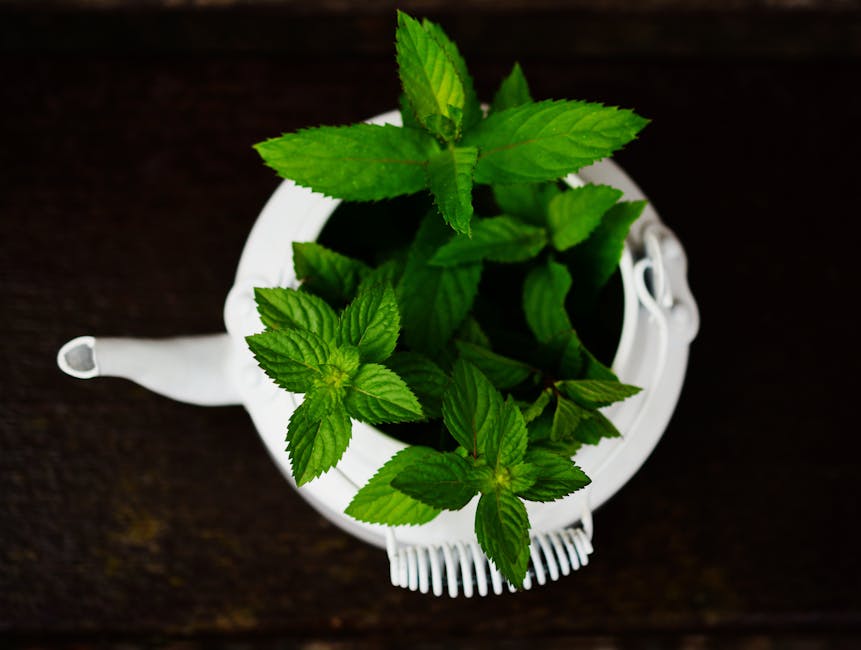
Domestic Medicinal Gardens: Cultivation, Sustainability, and Technological Monitoring
Master cultivation, propagation, and biological control techniques for medicinal plants, integrating permaculture and sensors to optimize your garden.

Rose Pruning: Botanical Principles, Techniques, and Optimal Timing in Latin America
Scientific guide to rose pruning: techniques, ideal timing, and benefits for health and flowering in Latin American gardens.