Children's Horticulture: Cognitive Development, Motor Skills, and Environmental Awareness
Foster child development through gardening: cultivation, safety, pollinator attraction, and water management for sustainable connection.
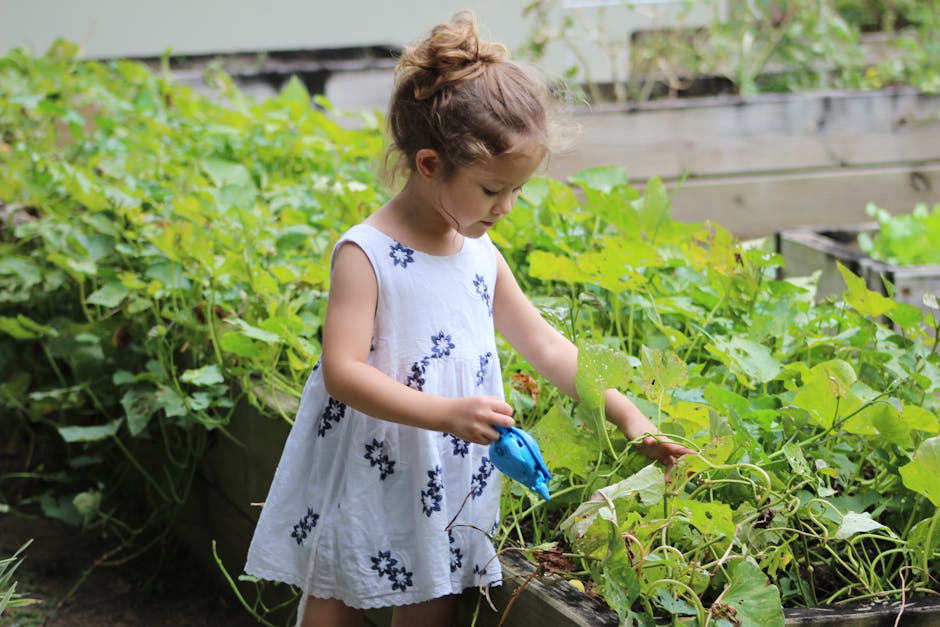
Cognitive Development and Motor Skills in Cultivation Activities
The connection of children with nature represents a fundamental pathway for their integral development. Gardening offers a unique space where curiosity, patience, and responsibility are cultivated alongside plant growth. In a global context prioritizing sustainability and environmental awareness, introducing new generations to the world of horticulture is more relevant than ever. This article explores projects and ideas to initiate the youngest ones into the fascinating universe of cultivation, fostering their interaction with the natural environment and laying the groundwork for a lasting relationship with the earth.
The interaction with the plant environment promotes the development of multiple childhood capabilities. Observing the life cycle of a seed, from germination to fruit production, stimulates sequential thinking and understanding of natural processes. Handling specific gardening tools, such as small trowels or watering cans, refines fine and gross motor skills, improving hand-eye coordination. Furthermore, actively waiting for plants to grow teaches the value of patience and perseverance.
Various recent studies in environmental education, such as those promoted by institutions like the Argentine Society of Horticulture, highlight that participation in school or home gardens increases problem-solving capacity and fosters teamwork. Children learn about responsibility by caring for a living being, understanding the importance of consistency in watering, sun exposure, and protection against external elements. This direct experience with nature contrasts with theoretical learning, offering a tangible perspective on the origin of food and the functioning of ecosystems.
Implementing Seedbeds and Didactic Vertical Gardens
Creating a seedbed is the ideal starting point for introducing children to gardening. Using recycled materials, such as yogurt containers, egg cartons, or cut plastic bottles, transforms a simple activity into a lesson in reuse and environmental care. Seeds with easy and rapid germination are recommended, such as radishes, lettuce, peas, or lentils, which offer visible results in a few days, maintaining children’s interest.
Vertical garden projects, particularly relevant in urban environments with limited space, offer an innovative alternative. Constructing simple structures with PET bottles or pallets, where aromatic herbs like mint, basil, or parsley are grown, allows children to observe growth in an accessible and compact format. These gardens can be installed on balconies or small patios, optimizing space usage and facilitating daily interaction.
A practical example is growing legumes in glass jars. Filling a jar with moist cotton and placing lentil or bean seeds against the glass allows direct observation of the root and stem as they develop. This visual process is highly educational and captures the attention of young gardeners. For more details on creating seedbeds and gardens in small spaces, specialized resources in urban horticulture, such as those offered by Infojardín https://www.infojardin.com/, can be consulted.
Strategies for Attracting Pollinators and Water Management
Integrating biodiversity practices into the children’s garden teaches the interconnectedness of ecosystems. Planting flowers that attract pollinators, such as marigolds, sunflowers, or lavender, transforms the space into a living classroom where the activity of bees and butterflies, fundamental for food production, can be observed. This practice, aligned with permaculture principles, not only beautifies the environment but also contributes to the health of the local ecosystem.
Efficient water management is another pillar of sustainable gardening. Implementing simple rainwater harvesting systems, such as placing a bucket under a drainpipe, or using the mulching technique with dry leaves or straw to retain soil moisture, are didactic and ecological practices. Children learn the value of water as a finite resource and the importance of its responsible use. Vermicomposting, an innovative method that uses worms to transform organic waste into high-quality fertilizer, is another activity that connects children with natural cycles and waste reduction.
To delve deeper into gardening techniques that promote biodiversity and efficient water use, platforms like La Huertina de Toni https://lahuertinadetoni.es/ offer detailed and accessible guides.
Selection of Ergonomic Tools and Safety Protocols
Safety is paramount in any children’s activity. Choosing appropriate gardening tools for children is fundamental. Small-sized trowels, rakes, and watering cans made from lightweight materials with rounded edges are recommended to minimize risks. Constant adult supervision is indispensable, especially when handling soil or performing tasks involving sharp or pointed objects.
It is crucial to teach children basic plant identification, distinguishing those that are safe to touch or taste from those that might be toxic. Informing them about the importance of washing hands after each gardening session and using light gloves to protect the skin are essential habits. Likewise, sun protection through hats and appropriate creams is vital, considering that much of the activity takes place outdoors. Implementing these protocols ensures a pleasant and educational gardening experience.
Children’s gardening transcends mere recreational activity; it represents an investment in their personal development and in the formation of environmentally conscious and responsible citizens. By planting a seed, children not only grow plants but also fundamental values such as patience, respect for nature, and understanding of life cycles. Integrating these practices into family or school life helps forge a deep connection with the planet, preparing future generations to face the challenges of a constantly changing world with a greener and more sustainable perspective. Fostering this early bond with the earth is sowing the hope for a more prosperous and balanced future.
Related Articles

Romantic Garden Design: Aesthetics, Botany, and Integrated Sustainability
Explore the fusion of romantic landscape design with ecology: structure, botanical selection, elements, and sustainable management for resilience.
Year-Round Lettuce: Cultivate Crisp Greens in Any Season
Unlock the secrets to continuous lettuce harvests, ensuring fresh, homegrown greens are always on your table, regardless of the season.
Permaculture Design: Ecological Integration for Resilient Home Food Systems
Exploring permaculture principles and their application in home gardens for enhanced sustainability, productivity, and ecosystem health.

Low-Maintenance Gardens: Planning, Species, and Technologies for Sustainable Efficiency
Design strategies, native plant selection, and automation for functional, low-effort green spaces.