Integrating Native Flora for Resilient and Biodiverse Gardens
Implementing native plants optimizes ecological resilience, conserves regional biodiversity, and minimizes inputs in urban and rural gardens.

Co-evolution of Native Flora and Local Fauna
The integration of native plants in urban and rural gardens represents a fundamental strategy for ecological resilience. Beyond their aesthetic beauty, these species offer invaluable benefits, adapting exceptionally well to local climatic and edaphic conditions, thereby minimizing the need for external inputs. The adoption of native flora directly contributes to the conservation of regional biodiversity, fostering a natural balance that benefits both flora and wildlife.
Analysis of the ecological role of native flora: it promotes healthy ecosystems and sustains native wildlife populations. Native plants, having co-evolved with the local environment, develop essential symbiotic relationships with pollinators, insects, and birds. This interdependence is crucial for maintaining the food web and the overall health of the ecosystem. For example, the Ceibo (Erythrina crista-galli), Argentina’s national flower, attracts hummingbirds and other birds, while Salvia guaranitica is a magnet for butterflies and bees. These connections are vital for pollination and seed dispersal, processes fundamental to plant reproduction and the continuity of biological cycles. Current research underscores that gardens with native flora act as biological corridors, connecting habitat fragments and enabling species movement, a critical factor in mitigating the impact of landscape fragmentation.
Edaphic and Climatic Parameters for Plant Adaptation
Assessment of edaphic and climatic factors: optimizes plant adaptation and development in the local environment. Before sowing or planting, it is essential to understand soil characteristics – its pH, texture, and drainage capacity – as well as the area’s sun exposure and rainfall patterns. Native species from the Pampas ecoregion, for instance, are naturally adapted to more clayey soils and a temperate climate with warm summers. Correctly identifying these conditions allows for the selection of species such as Verbena bonariensis or Mburucuyá (Passiflora caerulea), which will thrive with minimal intervention. The initial establishment phase requires attention, though less so than for exotic species. It is advisable to acquire specimens from nurseries specializing in native flora, which guarantee the provenance and genetic adaptation of the plants. During the first year, supplementary watering is beneficial to ensure deep rooting, although the need for water drastically reduces thereafter, representing a significant advantage in the current context of water scarcity. For more detailed information on native species for gardens in Buenos Aires province, resources such as those from INTA can be consulted: Native Plants for the Buenos Aires Garden.
Ecological maintenance practices: reduce water consumption and favor the attraction of native pollinators. A garden with native plants is characterized by its low maintenance requirements. This includes the elimination or reduction of chemical fertilizers and pesticides, as these plants possess intrinsic resistance to local pests and diseases. The application of organic mulching is an effective technique for conserving soil moisture, suppressing weeds, and enriching organic matter, emulating natural ecosystem processes. Furthermore, the planning of rain gardens that collect and filter runoff water is a growing innovation that integrates water management with native landscaping, providing additional moisture to plants and reducing the load on urban drainage systems. Observing fauna, such as the presence of native bees or butterflies, indicates the health of the garden’s ecosystem and its contribution to urban biodiversity. Passive monitoring through flora and fauna identification applications, like iNaturalist, allows gardeners to contribute to citizen science and deepen their understanding of ecological interactions within their own green space.
Ecological Maintenance and Water Conservation Practices
Recent developments in resilient garden design: integrate local flora to mitigate the effects of urban climate change. The global trend towards sustainability has driven research into the use of native plants for creating green infrastructure in cities. Urban landscaping projects incorporate native species in green roofs, living walls, and parks, not only for their aesthetic appeal but also for their capacity to reduce the urban heat island effect, improve air quality, and efficiently manage rainwater. The selection of native plant varieties with greater tolerance to extreme conditions, such as prolonged droughts or occasional floods, is an active area of study aimed at maximizing the resilience of urban green spaces against climate change. Regenerative agriculture, although more associated with food production, also influences native landscaping by promoting soil health and biodiversity, principles directly applicable to garden management. These innovative approaches demonstrate how gardening with native plants is not merely an aesthetic choice but a powerful tool for building more sustainable and resilient environments for the future.
The incorporation of native plants in garden design transcends mere aesthetics to become an act of ecological restoration. By choosing species adapted to the local climate and soil, the need for irrigation, fertilizers, and pesticides is significantly reduced, fostering a self-sufficient and vibrant ecosystem. This practice not only beautifies the environment but also revitalizes biodiversity, attracting pollinators and local fauna, and actively contributing to environmental resilience against current climatic challenges. Investing in native flora is an investment in the health of our planet and the natural richness of our communities.
Related Articles
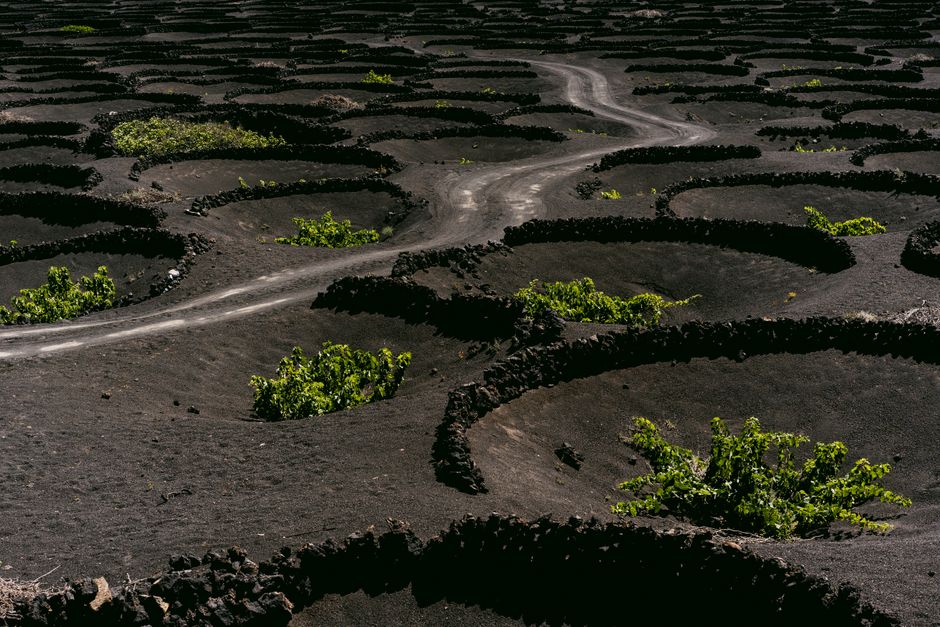
Sustainable Horticulture in Volcanic Ecosystems: Challenges and Solutions in the Galápagos
Managing invasive flora, optimizing water use, and employing regenerative techniques are key to resilient gardening in this fragile archipelago.

Piquillín (*Condalia microphylla*): Propagation, Management, and Valorization
Study of propagation methods, edaphoclimatic adaptability, agronomic management, and ecological/economic applications of piquillín.

Ziziphus mistol: Ecology, Propagation, Management & Fruit Valorization
Cultivating Ziziphus mistol: establishment, propagation, agronomic management, and fruit uses for sustainable systems and regional economies.

Ecophysiology, Propagation, and Ethnobotanical Uses of Jarilla (Larrea spp.)
Ecophysiological adaptations, seed and cutting propagation methods, and ethnobotanical value of jarilla for restoration and gardening.