Fruit Tree Optimization: Substrate, Irrigation, Pruning, and Integrated Pest Management
Establishment, water management, specific nutrition, training pruning, and integrated pest control for fruit trees in diverse climates.
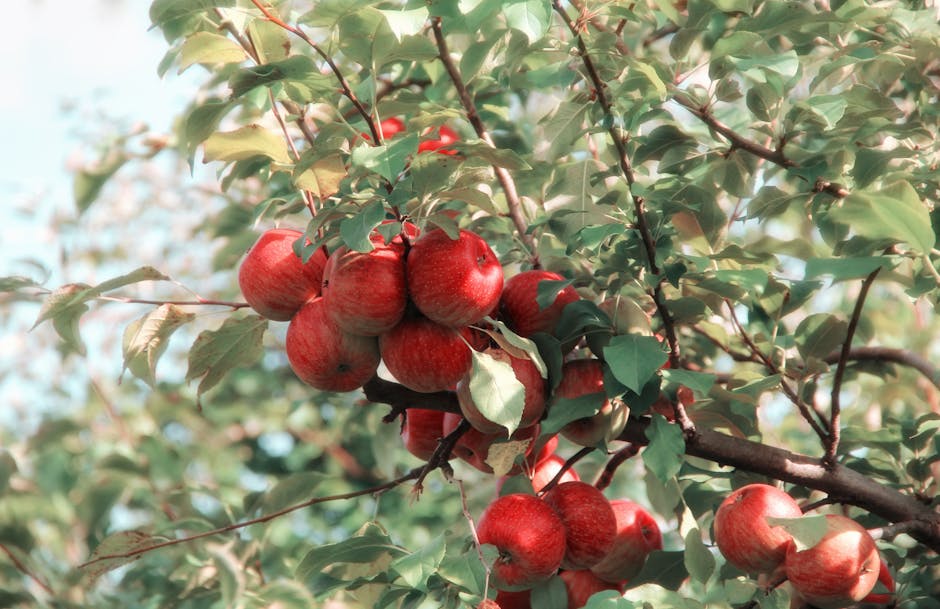
Substrate Preparation and Conditioning for Fruit Trees
Cultivating fruit trees at home or in community gardens offers a deep connection with nature and a source of fresh, healthy food. Beyond the pleasure of harvesting fruits, caring for these specimens contributes to local biodiversity and the creation of more resilient ecosystems. In a context of growing interest in sustainability and urban agriculture, understanding essential practices for the optimal development of fruit trees becomes fundamental. From Patagonia to the coast, adapting these techniques to the specific climatic and soil conditions of each region in Argentina and Latin America is key to ensuring vigorous growth and abundant production. The integration of ancestral knowledge with technological innovations paves the way for more efficient and environmentally friendly fruit cultivation.
Establishment and Substrate Conditioning
The success of a fruit tree begins with adequate soil preparation. A soil analysis is the first critical step to determine its composition, pH, and nutrient availability, allowing for specific amendments. Incorporating organic matter, such as mature compost or worm castings, improves soil structure, water retention capacity, and microbial activity—vital elements for root development. The current trend in regenerative horticulture emphasizes the importance of a living, healthy soil, where the diversity of microorganisms optimizes nutrient absorption by plants. The choice of planting site must consider solar exposure (generally at least 6 hours daily), protection from strong winds, and soil depth for root development. When planting, ensuring good drainage to prevent root rot is crucial. For more details on soil preparation, consult specialized resources such as those from INTA [https://inta.gob.ar/].
Water Management and Specific Nutrition Strategies
Irrigation efficiency is crucial, especially in regions with limited water resources or changing weather patterns. Implementing drip or micro-sprinkler irrigation systems significantly reduces water consumption and optimizes distribution, minimizing evaporation. Recent advancements include soil moisture sensors that enable smart, automated irrigation, adapting to the plant’s actual needs and preventing water stress. Regarding nutrition, the trend is towards organic fertilization, using compost, worm castings, or mineral broths. Current studies demonstrate that the health of the soil microbiome, enhanced by these amendments, improves nutrient assimilation and disease resistance, reducing reliance on synthetic fertilizers. Foliar analysis, an increasingly accessible technique, allows for the identification of specific deficiencies and precise nutritional adjustments.
Training and Structural Maintenance Pruning
Pruning is an essential practice for the health, structure, and productivity of fruit trees. Several types are distinguished: training pruning, performed in the first few years to establish a strong and balanced structure; maintenance pruning, which removes dead, diseased, or crossing branches, promoting air circulation and light penetration; and rejuvenation pruning, applied to older trees to stimulate the growth of new productive wood. The timing of pruning varies by species and climate, but it is generally done during the tree’s dormant period. Correct execution of cuts, using sharp and disinfected tools, is vital to prevent pathogen entry. Advanced techniques such as summer pruning or espalier training are innovations that optimize production in small spaces and improve fruit quality.
Integrated Pest Management Strategies
Fitosanitary management of fruit trees has evolved towards integrated and sustainable approaches, minimizing the use of agrochemicals. Prevention is the primary strategy: promoting biodiversity in the orchard, through planting flowers and aromatic herbs, attracts beneficial insects that act as natural predators of pests. Choosing fruit tree varieties resistant to common diseases in the region is a key innovation in cultivation planning, reducing plant vulnerability. Digital tools, such as mobile applications for identifying pests and diseases, facilitate early monitoring and decision-making. In case of infestation, organic methods are prioritized, such as using plant extracts (e.g., neem, garlic), pheromone traps, or the controlled release of biological control agents. This approach minimizes environmental impact and ensures fruit safety. For information on common pests and diseases, consult InfoJardín [https://www.infojardin.com/].
Caring for fruit trees is a dynamic process that integrates knowledge of botany, ecology, and technology. Adopting a holistic approach, considering both the specific needs of each species and local environmental conditions, allows not only for quality harvests but also for fostering sustainability and resilience in our green spaces. Investing in conscious management practices, incorporating innovations like remote sensing for monitoring or climate-adapted varieties, and constant monitoring are pillars for ensuring a prosperous and productive fruit-bearing future. Enjoying the fruits of our labor is the reward of a task that nourishes both the soil and the spirit.
Related Articles

Horticulture in Bolivian Savannas: Edaphic, Hydric, and Plant Adaptation
Water management techniques, soil enrichment, and resilient species selection for horticulture in the Bolivian palm savanna.

Harvesting Gold: Master Sweet Potato Cultivation for Abundant Yields
Master expert tips and practical techniques to successfully grow sweet potatoes, transforming your garden into a source of delicious, nutritious harvests.

Unlock Your Garden's Potential: The Art of Companion Planting for Thriving Harvests
Understand the power of companion planting to enhance plant growth, deter pests, and maximize yields in your garden with proven pairings and expert tips.

Container Horticulture: Substrate, Species, and Management for Urban Spaces
Enhance urban container gardening: learn about substrates, adapted species, and management techniques for balcony and terrace gardens.