Crop Rotation: An Agroecological Pillar for Soil Health and Agricultural Resilience
Crop rotation enhances soil health, nutrient cycles, and pest control. It also aids weed suppression and optimizes water use for sustainable agriculture.
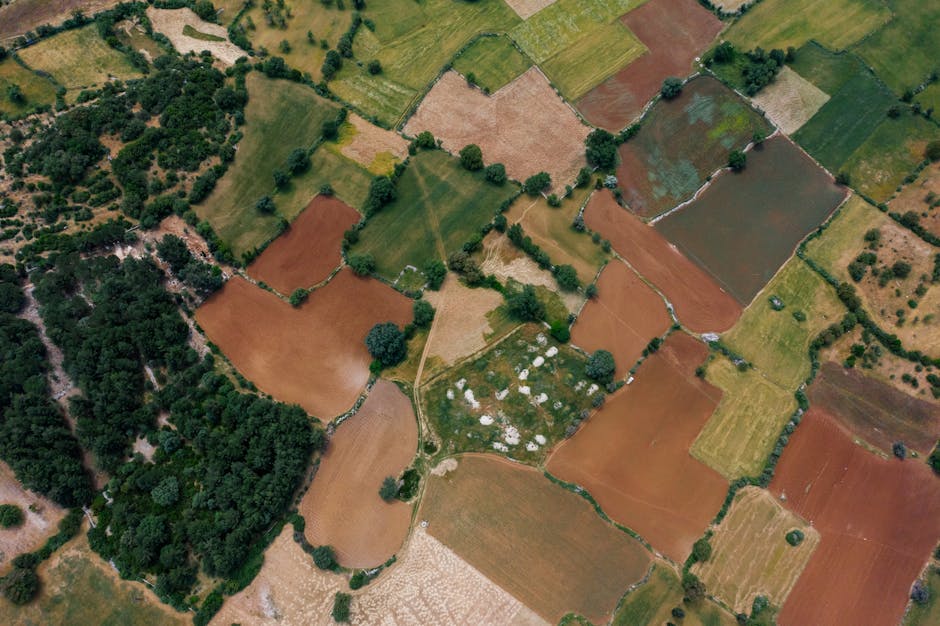
Enhancing Soil Structure and Nutrient Cycles Through Rotation
The resilience of a garden begins with the health of its soil. Maintaining the vitality of the substrate is fundamental to ensuring abundant and sustainable harvests over time. One of the oldest and most effective agroecological strategies to achieve this balance is crop rotation, a method that goes beyond mere plant alternation and stands as a pillar in today’s regenerative agriculture.
Impact on Soil Structure and Nutrient Cycling
Crop rotation operates on ecological principles that directly benefit soil structure and composition. By alternating plant species with different root systems, heterogeneous aeration and greater water penetration are promoted, which reduces compaction. The deep roots of some crops, such as grasses, access nutrients from lower layers, while legumes, through symbiosis with Rhizobium bacteria, fix atmospheric nitrogen, naturally enriching the soil. This practice fosters microbial diversity in the soil, crucial for the decomposition of organic matter and nutrient bioavailability. Recent studies, such as those published by INTA in Argentina, highlight how crop diversification improves water retention capacity and soil resilience against adverse climatic conditions, a critical factor in the context of global climate change.
Disrupting Pest and Disease Cycles with Crop Alternation
Interrupting Cycles of Phytopathogens and Harmful Entomofauna
One of the most significant benefits of rotation is its role in pest and disease control. Many pathogens and harmful insect populations are specific to a host or plant family. By repeatedly cultivating the same species in the same location, an environment conducive to their proliferation is created, leading to the accumulation of inoculum in the soil and pest resistance. Crop alternation breaks these life cycles. For example, if a solanaceous plant (like tomatoes) is cultivated and then a legume is planted, the specific larvae or spores from the tomato will not find a suitable host for their development, drastically reducing their population. This approach reduces the need for fungicides and insecticides, aligning with organic and agroecological production trends that aim to minimize environmental impact.
Strategies for Weed Suppression and Water Use Optimization
Weed Suppression and Water Use Optimization with Cropping Sequences
Crop rotation also contributes to integrated weed management. Different crops have varying competitive abilities and growth patterns that can suppress the emergence of unwanted weeds. For instance, cover crops or green manures, often interspersed in rotations, cover the soil, preventing weed seed germination and improving organic matter. Furthermore, intelligent planning of crop rotation allows for the optimization of water use. By alternating species with different water requirements or root depths, moisture demand is distributed throughout the soil profile, maximizing irrigation efficiency. This aspect is vital in water-scarce regions, promoting more sustainable management of natural resources and greater adaptability of production systems.
Planning Cropping Sequences: Advances and Methodologies
The practical implementation of crop rotation requires careful planning. Traditionally, crops are grouped into botanical families (legumes, solanaceae, brassicaceae, cucurbitaceae, grasses) and sequences of 3 to 4 years are designed, avoiding the repetition of the same family or species in the same plot before this period. Innovations in regenerative agriculture suggest incorporating a greater diversity of species and perennial cover crops to maximize soil benefits. Permaculture, for example, integrates rotation into more complex and diversified system designs. Digital tools and agricultural planning applications are emerging to assist growers in designing optimal rotations, considering factors such as soil type, local climate, and production goals. This technical and adaptive approach ensures that crop rotation is not just a tradition but an evolving science that adapts to the needs of modern, sustainable agriculture.
Planning Agronomic Sequences: Methodologies and Advances
Crop rotation is a fundamental tool for any grower aspiring to long-term sustainability and productivity. By adopting this practice, not only is the soil protected and pests naturally controlled, but it also contributes to the health of the ecosystem as a whole. It is an investment in the future that yields results in the vitality of the garden and the quality of its harvests. For more information on rotation techniques, consult specialized resources such as those available at Infojardín [https://www.infojardin.com/hortalizas/rotacion-de-cultivos.htm] or INTA’s technical publications [https://inta.gob.ar/].
Related Articles

Allophylus edulis: Propagation, Management & Agroindustrial Potential
Details the cultivation of cocú: propagation, edaphoclimatic adaptation, nutrition, irrigation, pruning, pest control, and agroindustrial value.

Quinoa in Argentina: Agronomic Practices, Innovation, and Value Chain
Master agronomic practices, pest management, and the quinoa value chain in Argentina, from sowing to harvest and processing.

Crop Rotation: An Agroecological Strategy for Soil Health and Productivity
Crop rotation optimizes soil fertility, controls pests and diseases, and improves soil structure for sustainable gardening.

Solanum lycopersicum: Advances in Soil, Nutrition, and Crop Protection for Optimal Harvests
Enhance tomato cultivation with modern soil preparation, water-nutrient management, and integrated pest defense strategies.