Continuous Lettuce Production: Genotypic Selection, Environmental Control, and Soilless Cultivation
Article details genotypic selection, environmental control, and soilless systems for continuous year-round lettuce production, ensuring consistent harvests.
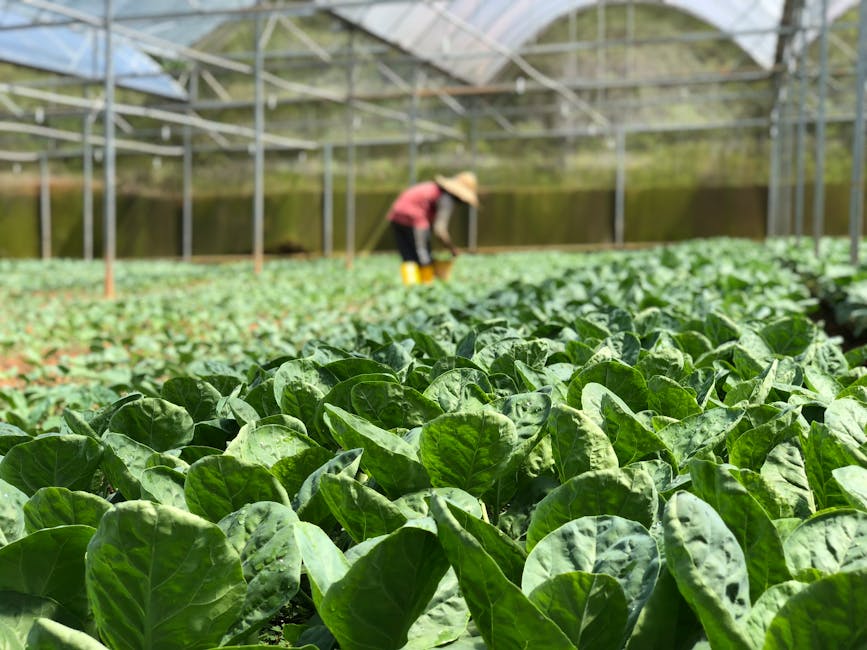
Genotypic Selection and Varietal Adaptation for Continuous Lettuce Production
Year-round availability of fresh lettuce is an achievable goal for domestic and urban horticulturalists, transcending traditional seasonal limitations. The implementation of advanced agronomic techniques, coupled with appropriate varietal selection, allows for a consistent harvest, even in variable climates such as those found in Argentina and other Latin American regions. This approach not only ensures a continuous supply of nutritious vegetables but also fosters food autonomy and sustainability.
Lettuce Genotype Selection and Seasonal Adaptation
Uninterrupted cultivation of lettuce (Lactuca sativa) requires a deep understanding of the genetic characteristics of different varieties and their response to climatic fluctuations. Specific genotypes are adapted to low-temperature conditions, such as butterhead or winter romaine lettuces, which better tolerate light frosts and short photoperiods. For warmer months, the choice falls on varieties resistant to premature bolting (flowering), such as certain red or loose-leaf lettuces (Lollo Rosso, Lollo Bionda), which maintain their quality and flavor under heat stress. Recent research from INTA (National Agricultural Technology Institute) in Argentina has identified local varieties with excellent adaptability to diverse local edaphoclimatic conditions, offering robust options for continuous production. Crop rotation of varieties throughout the year is a fundamental strategy to mitigate environmental and biological challenges, ensuring crop resilience. The search for new hybrid varieties that combine pathogen resistance and tolerance to extreme temperatures is a growing trend in modern horticulture, facilitating production in challenging environments.
Optimization of Environmental Parameters for Sustained Lettuce Production
Environmental Parameter Control for Continuous Production
Optimizing environmental parameters is crucial for extending the lettuce growing cycle beyond its natural seasons. In protected environments, such as greenhouses or indoor growing systems, it is possible to regulate factors like temperature, relative humidity, and light intensity. The optimal temperature for lettuce growth ranges between 15°C and 20°C (59°F and 68°F). Outside this range, growth slows down, or in the case of high temperatures, bolting occurs. The implementation of automated heating or ventilation systems, along with shade netting, allows for the maintenance of these ideal conditions. Artificial lighting, particularly with full-spectrum LED lights, replicates sunlight and is indispensable during winter months or in vertical urban farms. Smart humidity and temperature sensors, connected to environmental control systems, represent a significant innovation, enabling precise and efficient real-time adjustments. These technological advancements minimize energy consumption and maximize yield, a cornerstone of sustainable urban agriculture. For more details on this type of control, information can be found on specialized platforms such as Infojardín (https://www.infojardin.com/).
Successive Sowing Strategies and Integrated Agronomic Management
Staggered Sowing Strategies and Integrated Nutritional Management
Developing a staggered sowing plan is essential to ensure a constant supply of lettuce. This technique involves sowing small quantities of seeds every 10 to 15 days, rather than a single massive sowing. This way, when one batch of lettuce is ready for harvest, the next is already in an advanced growth stage, and a third is germinating. This method requires efficient space management and careful planning. The nutritional management of the soil or substrate is equally vital. Lettuce requires soils rich in organic matter, well-drained, and with a slightly acidic to neutral pH (6.0-7.0). Regular incorporation of compost or worm castings enriches the growing medium, providing the macronutrients (nitrogen, phosphorus, potassium) and micronutrients necessary for vigorous growth. The application of liquid organic fertilizers, such as those derived from compost leachate, can supplement this nutrition. Biological pest control, through the introduction of beneficial insects or the use of repellent plant extracts, is preferable to chemical methods, aligning with regenerative agriculture practices. A valuable resource for sowing and management techniques is La Huertina de Toni (https://lahuertinadetoni.es/).
Implementation of Soilless Cultivation Systems: Hydroponics and Aeroponics
Soilless cultivation technologies offer a highly efficient solution for year-round lettuce production, especially in small or urban spaces. Hydroponics, where plant roots are immersed in a mineral-rich nutrient solution, eliminates the need for soil, reduces water consumption by up to 90%, and accelerates growth. Systems like the Nutrient Film Technique (NFT) or Deep Water Culture (DWC) are particularly suitable for lettuce. Aeroponics, an even more advanced variant, mists the nutrient solution directly onto the roots suspended in the air, optimizing oxygenation and nutrient uptake, resulting in even faster growth rates. These systems allow for precise control over nutrition and the root environment, minimizing soil-borne diseases and pests. The integration of automation and the Internet of Things (IoT) into these systems, through sensors that monitor pH, electrical conductivity, and nutrient levels, represents the cutting edge of precision horticulture. These advancements not only ensure consistent, high-quality production but also contribute to sustainability by optimizing resource use.
Implementation of Hydroponic and Aeroponic Systems for Annual Cycle Lettuce
Continuous lettuce production is an achievable goal through the combination of strategic varietal selection, rigorous environmental control, methodical sowing planning, and the adoption of technological innovations. By applying these methodologies, horticulturalists can enjoy fresh, healthy lettuce on their tables, regardless of the season, fostering a deeper connection with their food production and contributing to a more sustainable future.
Related Articles

Container Potato Cultivation: Taxon Selection, Substrate, and Urban Water Management
Enhance potato cultivation in urban containers. Variety selection, substrate composition, and water management techniques for successful harvests.

Xylella fastidiosa: Diagnosis, Control & Innovations in Latin America
Analysis of molecular and biological diagnostic techniques for Xylella fastidiosa, integrated control strategies, and applied biotechnology.
Lettuce Sclerotinia Management: Etiology, Environment, Control
Investigates the etiology of Sclerotinia sclerotiorum in lettuce, environmental factors favoring its development, and integrated management strategies.

Summer Lettuce Production: Heat-Tolerant Varieties and Adaptive Management
Strategies for growing lettuce in summer, including variety selection, water management, nutrition, and pest control for successful harvests.