Drip Irrigation: Water and Nutrient Efficiency in Urban Horticulture
Article details drip irrigation systems for horticulture, covering benefits, components, installation, and maintenance for efficient water and nutrient use.
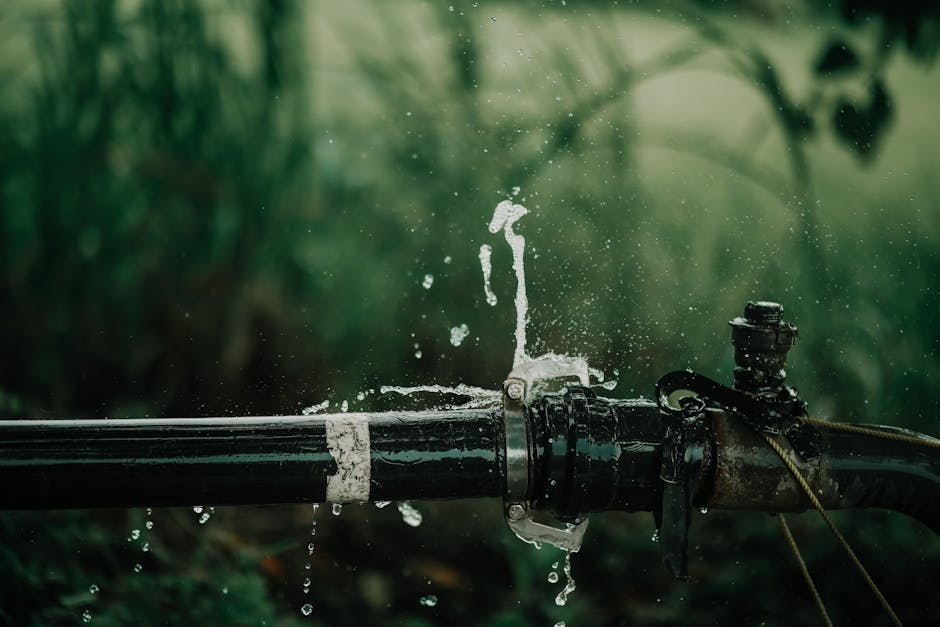
Optimizing Water and Nutrient Resources in Horticulture
Efficient water management is a fundamental pillar in contemporary horticulture, especially amidst growing environmental concerns and water scarcity. The implementation of drip irrigation systems represents an advanced strategy for optimizing the supply of water and nutrients directly to the plant’s root zone. This method, which minimizes waste and maximizes absorption, is an essential solution for gardeners and producers seeking sustainability and high crop yields. We will discuss its distinctive advantages and the procedure for its correct installation, adapting these practices to the specific needs of urban gardens and small spaces, a rising trend in cities like Buenos Aires and other urban centers in the region.
Optimizing Water and Nutrient Resources
The localized application of water through drip irrigation offers significant benefits that directly impact plant health and resource management.
- Superior Water Efficiency: Reduces surface evaporation and runoff, delivering water directly where the plant needs it. Recent research by INTA (National Institute of Agricultural Technology) in the Pampas region has demonstrated water savings of up to 50% compared to traditional irrigation methods, such as sprinkler systems. https://inta.gob.ar/
- Precise Nutrient Supply (Fertigation): Allows for the dissolution of fertilizers in irrigation water, facilitating controlled and constant delivery of nutrients directly to the roots. This technique, known as fertigation, optimizes absorption and reduces fertilizer leaching into the soil.
- Reduced Fungal Diseases: By keeping foliage dry, it decreases the proliferation of fungi and pathogens that require moisture to develop. This is crucial for crops like tomatoes or strawberries, which are susceptible to foliar diseases.
- Effective Weed Control: Selective soil moistening restricts weed growth in unwatered areas, reducing competition for water and nutrients and decreasing the need for manual or chemical weeding.
- Adaptability to Diverse Terrains: Works effectively on soils with varying textures and topographies, minimizing erosion and nutrient washout, making it ideal for rooftop gardens or patios with uneven surfaces.
Essential Components of Drip Irrigation Systems
Key Elements of a Drip Irrigation System
The configuration of a drip irrigation system involves the strategic selection and arrangement of several components that ensure its functionality and efficiency.
- Water Source: This can be a municipal water supply, a storage tank, or a well pump. Ensuring adequate pressure and flow rate is vital.
- Filter: Prevents emitters from becoming clogged by sediment particles or debris. Mesh, disc, or sand filters are available, selected based on water quality. Innovation in self-cleaning filters enhances system durability.
- Valves and Pressure Regulators: Control water flow and pressure, ensuring uniform distribution throughout the entire line. Regulators maintain constant pressure, essential for the proper functioning of drippers.
- Main and Secondary Tubing: The main tubing (typically larger diameter) transports water from the source, while secondary tubing or laterals (drip lines) distribute water to the plants.
- Drippers or Emitters: These are the devices that release water slowly and in a controlled manner. They are classified as integrated (within the tubing) or insertable (perforable), and can be fixed-flow or pressure-compensating. The latter are ideal for sloped terrain.
- Connectors and Fittings: Include elbows, tees, end caps, and clamps, which allow for system assembly and securing.
Installation Methodology for Drip Systems
A planned and precise installation is fundamental for the optimal performance of a drip irrigation system.
- Planning and Design Phase:
- Area Mapping: Draw a detailed schematic of the garden, indicating the location of each plant or row.
- Water Needs Calculation: Determine the required flow rate and pressure, as well as the type and quantity of drippers needed, considering plant species and soil type. It is recommended to consult water consumption tables per crop, available on platforms like Infojardin. https://www.infojardin.com/
- Component Selection: Choose the appropriate tubing diameter, filter type, and emitters based on the design.
- System Assembly:
- Source Connection: Install the shut-off valve and the main filter at the water intake.
- Tubing Layout: Lay out the main and secondary tubing according to the design, using connectors for joints and branches. It is advisable to slightly bury the tubing or cover it with mulch to protect it from the sun and extend its lifespan.
- Emitter Insertion: Pierce the lateral tubing and insert the drippers at the appropriate spacing for each plant. For tubing with integrated emitters, simply extend them along the crop rows.
- Testing and Adjustments:
- Leak Verification: Turn on the water supply and inspect all connections and emitters for potential leaks.
- Uniformity Check: Ensure that water is distributed homogeneously across all cultivated areas. Adjust pressure if necessary.
- Programming: If a timer is used, set it according to the plants’ water needs and local climatic conditions. Systems with moisture sensors or weather forecasts offer advanced automation, adjusting irrigation in real-time.
Management and Continuous Optimization of Irrigation Systems
Regular maintenance and adaptation to changing conditions are essential to maximize the effectiveness and lifespan of a drip irrigation system.
- Filter Cleaning: Periodically clean the main filter to prevent emitter clogging. The frequency will depend on water quality.
- Emitter Inspection: Regularly check emitters for blockages or damage. If clogged, they can be cleaned with diluted acidic solutions or replaced.
- Leak Verification: Continuously monitor the system to identify and repair any leaks that may occur, which could affect irrigation uniformity.
- Seasonal Adjustment: Modify irrigation duration and frequency according to the season, plant development, and climatic conditions (temperature, humidity, rainfall). Integration with smart apps and sensors allows for more precise management, optimizing water consumption.
- Controlled Fertigation: If fertigation is applied, it is crucial to calibrate nutrient concentration and adjust cycles according to crop growth stages, following specialist recommendations to avoid excesses or deficiencies.
- Winter Protection: In regions with frost, it is advisable to drain the system and disconnect sensitive components to prevent freezing damage.
The implementation of drip irrigation represents a strategic investment for any gardener or producer aspiring to more efficient, sustainable, and productive horticulture. By optimizing water and nutrient use, and by reducing the incidence of diseases and weeds, this system not only contributes to the conservation of vital resources but also enhances crop vigor and yield. Adopting this technology is a step towards more conscious agricultural management in sync with current environmental demands, a practice that aligns perfectly with the principles of regenerative agriculture and climate resilience.
Related Articles

Acacia praecox: Propagation, Needs & Eco-Value for Landscaping
Analysis of *Acacia praecox*: seed propagation, soil/climate adaptability, and its role in biodiversity and landscape restoration.

Frost Mitigation via Thermal Inversion Management and Agricultural Technologies
Analyzing thermal inversion, fan application, irrigation strategies, heater deployment, and protective covers for frost mitigation and enhanced crop resilience.
Lemna minor: Sustainable Protein Production and Aquatic Bioremediation
Explore Lemna minor cultivation for high protein and nutritional output, its role in aquaponics and bioremediation, and harvesting/processing techniques.

Integrated Management of Terrestrial Isopods in Urban Gardens
Integrated strategies for managing pillbugs in sensitive crops, encompassing habitat modification, physical removal, and biological control agents.