Hydroponics: Fundamentals, Systems, and Nutrient Control for Urban Cultivation
Analysis of hydroponic systems, nutrient solution formulation, inert substrates, and pH/EC control for domestic and urban horticulture.

Fundamental Principles of Hydroponics and Common Systems
The cultivation of food is undergoing a revolution, and hydroponics is at the forefront, particularly relevant in urban environments and areas with limited space. This soil-less methodology allows gardening enthusiasts and horticulture beginners to achieve abundant harvests using only water enriched with essential nutrients. By optimizing water resource usage and enabling cultivation year-round, hydroponics stands out as an innovative and sustainable practice, perfectly suited to the demands of modern agriculture and the needs of the home garden.
Etymologically, hydroponics means ‘water working.’ It represents a cultivation system where plants grow in an aqueous solution of dissolved minerals, entirely eliminating the need for soil. This technique offers precise control over plant nutrition, allowing for the customization of nutrient composition based on the specific growth stages of each species. For newcomers, understanding the most accessible systems is crucial.
Operational Principles of Hydroponic Systems
The core principle of hydroponics is to supply plant roots with all necessary mineral elements directly through water. This is achieved by dissolving mineral salts in appropriate proportions. Unlike traditional agriculture, where soil acts as a nutrient reservoir and support structure, hydroponics utilizes the substrate (if used) solely for anchoring, while water serves as the primary vehicle for nourishment.
Various hydroponic system configurations exist, each with its unique characteristics. Floating raft systems (Deep Water Culture or DWC) are ideal for beginners, as plants are supported by a raft floating on a reservoir of nutrient solution. Nutrient Film Technique (NFT) systems, on the other hand, circulate a thin film of nutrient solution through inclined channels, ensuring excellent root zone oxygenation. For those seeking a simple, low-maintenance option, wick systems are an excellent entry point, utilizing capillary action to deliver the solution to the roots.
The success of hydroponic cultivation largely depends on the quality and balance of the initial inputs. Meticulous preparation of the nutrient solution and the selection of an appropriate substrate are decisive steps for the healthy development of plants.
Formulation of Nutrient Solutions and pH Control
Formulation and Control of Essential Nutrient Solutions
The nutrient solution is the heart of any hydroponic system. It comprises water and a balanced blend of essential macro- and micronutrients for plant growth, such as nitrogen, phosphorus, potassium, calcium, magnesium, iron, and other trace elements. Typically, these solutions are provided in two or more parts (A and B) to prevent salt precipitation before dissolution in water. It is critical to maintain the solution’s pH between 5.5 and 6.5, the optimal range for nutrient absorption by most plants. Digital pH meters or liquid test kits facilitate this task. A useful reference for nutrient solution composition can be found on the Infojardín portal https://www.infojardin.com/.
Inert Substrates: Selection and Management
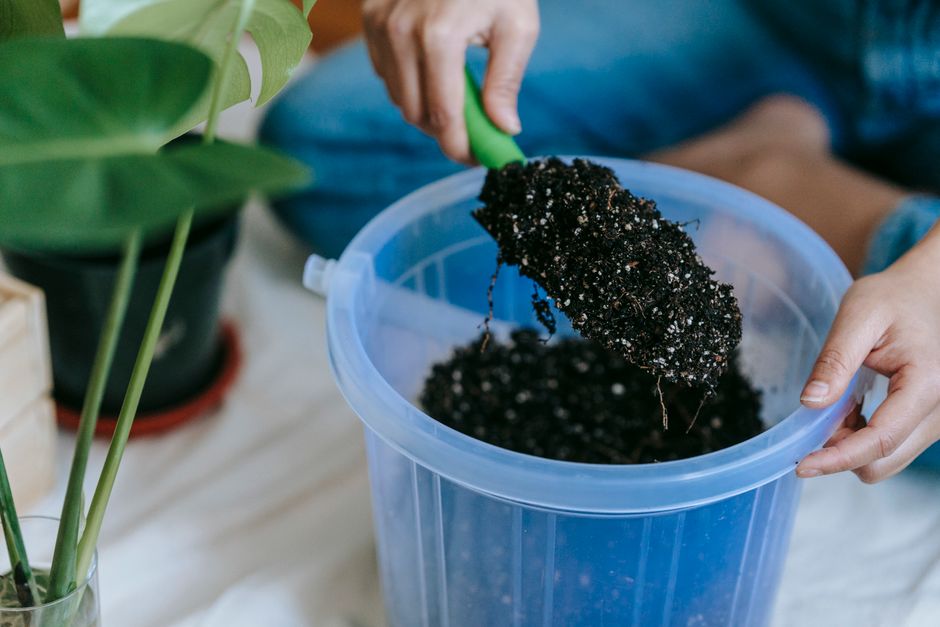
Although hydroponics eliminates the need for soil, many systems employ inert substrates to provide physical support for the plants. Rockwool, coco coir, perlite, vermiculite, or expanded clay aggregate are common choices. Rockwool is valued for its water retention and aeration capabilities. Coco coir, a byproduct of coconut husks, is an eco-friendly alternative with excellent cation exchange capacity. The choice will depend on the system type and the plant being cultivated. A valuable resource for further information on substrates can be consulted at https://lahuertinadetoni.es/.
Artificial Lighting in Hydroponic Systems
Light is a crucial factor for photosynthesis. In indoor cultivation or areas with limited sunlight, artificial lighting is indispensable. Full-spectrum LED lamps are an efficient investment, offering high light intensity with low energy consumption and minimal heat emission. The duration and intensity of light must be adjusted to the specific requirements of each plant, simulating natural diurnal and nocturnal cycles.
Constant monitoring and preventive maintenance are key to ensuring the productivity and health of plants in a hydroponic system. Small, regular adjustments can prevent major issues and guarantee successful harvests.
Monitoring Water Parameters: pH and Electrical Conductivity
Selection and Management of Inert Substrates in Hydroponic Cultivation
Daily monitoring of the nutrient solution’s pH and electrical conductivity (EC) is fundamental. EC measures the total concentration of dissolved salts, indicating the availability of nutrients for the plants. An EC meter allows for solution adjustment, adding more nutrients if the concentration is low or diluting it if it’s excessive. Young plants require lower EC, while flowering or fruiting plants demand higher concentrations. Maintaining these parameters within optimal ranges ensures efficient absorption and prevents deficiencies or toxicities.
Prevention and Treatment of Nutritional Imbalances
Nutritional imbalances often manifest in the foliage. Yellowing or spotted leaves, stunted growth, or deformities can indicate nutrient deficiencies or excesses. Periodic system checks, including reservoir cleaning and solution replacement every 7-14 days, help prevent pathogen buildup and ensure the availability of fresh nutrients. Constant recirculation of the solution through filters is also a recommended practice for maintaining water quality.
Selection of Plant Species Adapted to Hydroponics
Not all plants are equally suited for hydroponic cultivation. Leafy greens like lettuce, spinach, and arugula, along with aromatic herbs such as basil, cilantro, and mint, are excellent for beginners due to their rapid growth and adaptability. Cherry tomatoes, peppers, and strawberries can also be grown successfully, although they require more advanced management and systems with greater support. Choosing compact or determinate growth varieties facilitates their management in confined spaces.
Hydroponics is not a static practice; it is constantly evolving, integrating innovative technologies and approaches that expand its possibilities and efficiency. Its connection with sustainability and local production is growing stronger.
Integration of Technologies in Hydroponic Management
Optimization of Artificial Lighting for Plant Growth
Digitalization has arrived in hydroponic cultivation. Smart monitoring systems with pH, EC, and temperature sensors, connected to mobile applications, allow growers to supervise and adjust parameters remotely. Automation of pumps and irrigation systems, coupled with programmable light cycles, reduces workload and optimizes growing conditions. These innovations, driven by the Internet of Things (IoT), facilitate precision agriculture and make hydroponics more accessible, even for those with limited time. Companies like Agronitrogenados https://agronitrogenados.com.ar/ in Argentina are exploring advanced solutions for plant nutrition.
Innovations in Water Resource Efficiency
Concerns about climate change and water scarcity have spurred the development of even more efficient hydroponic techniques. Aeroponics, for example, mists nutrient solution directly onto roots suspended in the air, achieving superior oxygenation and significant water savings. Closed-loop recirculation systems, where water is continuously filtered and reused, minimize waste. Furthermore, research into new nutrient formulations aims to optimize absorption and reduce effluent discharge, contributing to a smaller environmental footprint. These advancements are crucial for the sustainability of urban agriculture and food production in water-stressed regions.
Hydroponic cultivation offers beginners a unique opportunity to experiment with an efficient and rewarding form of agriculture. From understanding the fundamentals to implementing simple systems and monitoring key parameters, each step brings the cultivator closer to obtaining fresh, healthy produce. The constant innovation in this field promises to continue simplifying and optimizing the experience, positioning hydroponics as a fundamental pillar for the future of sustainable food production and food autonomy in homes and communities.
Related Articles

Lettuce Anthracnose: Pathogenesis, Management & Detection
Details identification, pathogenesis, and cultural, biological, and chemical control strategies for lettuce anthracnose, including technological advancements.

Physiological and Nutritional Management of Iron Chlorosis in Acid-Loving Plants
Addresses causes, symptoms, and correction strategies for iron chlorosis in acid-loving plants, including pH adjustment and iron chelates.

Annona cherimola: Edaphic, Climatic Requirements, and Agronomic Management for Subtropical Production
Details the establishment, cultivation, and harvest of cherimoya, covering climate, soil, pruning, irrigation, nutrition, and integrated pest management.
Optimizing Blueberry (*Vaccinium corymbosum*) Container Cultivation: Substrate, Management, and Health
Details acid substrate formulation, quality water irrigation, specific nutrition, and pruning for potted blueberries. Addresses health and pests.