Permaculture for Home Gardens: Design, Soil, Water, and Pest Management
Optimize your garden with ecosystem design, regenerative soil management, water efficiency, and biological pest control. Foster sustainability.

Productive Ecosystem Design: Polycultures and Plant Synergies
Creating a home garden represents a deep connection with nature and a commitment to sustainability. In this context, permaculture techniques emerge as a holistic approach to designing and maintaining productive systems that mimic the patterns and relationships of natural ecosystems. Beyond conventional planting, permaculture proposes a philosophy of working with nature, not against it, maximizing resource efficiency and fostering biodiversity. This methodology not only optimizes food production but also contributes to soil resilience and environmental balance, crucial aspects in the current climate change scenario and the growing pursuit of food autonomy in homes across Argentina and all of Latin America.
Implementing a garden design based on permaculture principles prioritizes diversity and beneficial interactions between species. Unlike monoculture, which depletes the soil and is vulnerable to pests, polyculture or crop association promotes a more robust ecosystem. This strategy involves planting different plant species together, leveraging their synergies. For example, the classic triad of corn, squash, and beans is an excellent illustration: corn provides a support structure for the beans, which in turn fix nitrogen in the soil, benefiting the corn and squash, while the latter covers the ground, conserving moisture and suppressing weeds. Recent agroecology studies highlight how these associations increase productivity and disease resistance, reducing the need for external interventions. Planning cultivation zones, from the most frequented (near the house) to the more wild, allows for efficient management of time and resources. For further exploration of these techniques, one can consult specialized resources on permaculture garden design, such as those offered by INTA [https://inta.gob.ar/].
Regenerative Soil Management: Composting and Mulching
The soil is the fundamental pillar of any productive garden, and its health is paramount in permaculture. Regenerative techniques aim to constantly enrich the soil’s structure and microbial life. Composting, or vermicomposting, transforms domestic and garden organic waste into high-quality natural fertilizer. This process not only reduces the amount of waste going to landfills but also provides essential nutrients and improves the soil’s water-holding capacity. Innovations in accelerated composting exist, using aerated piles or rotation systems, which yield mature compost in just a few weeks. Another vital technique is mulching, which involves covering the soil surface with a layer of organic material like straw, dry leaves, or pruning debris. Mulching conserves moisture, moderates soil temperature, suppresses weed growth, and, as it decomposes, adds organic matter, feeding the soil’s microbiology. The application of biochar, a stable charcoal, is an emerging trend that improves long-term nutrient and water retention, serving as an excellent complement in the formation of raised beds.
Water Efficiency in Gardens: Rainwater Harvesting and Smart Irrigation
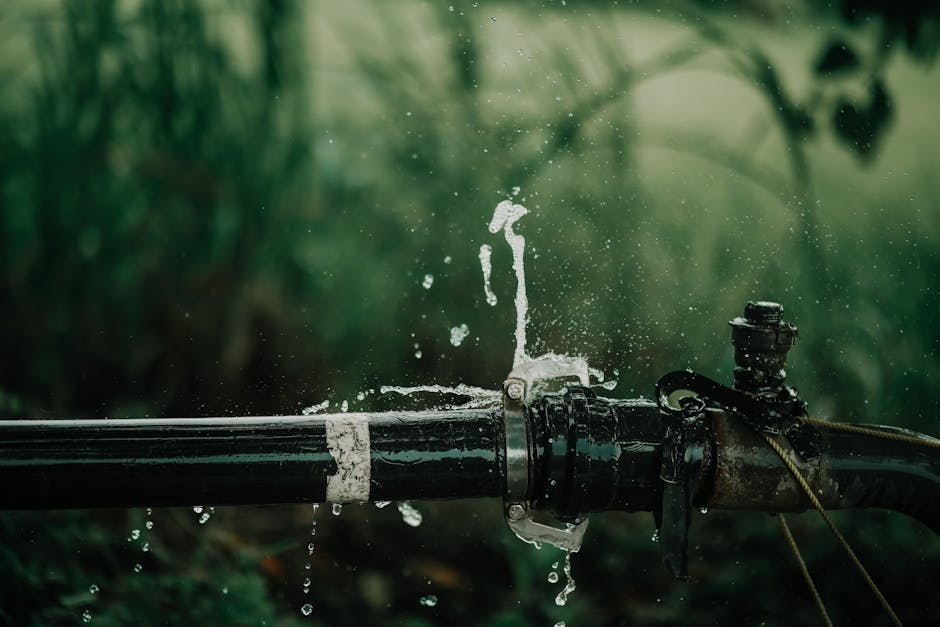
Efficient water management is a cornerstone of permaculture, especially relevant in regions experiencing water stress. Rainwater harvesting is a simple and effective strategy: gutter systems and tanks allow for storing this valuable resource for irrigation. Designing micro-catchments or infiltration trenches in the terrain also helps capture and retain water on the landscape, allowing it to slowly filter into the soil and benefit plants. Regarding irrigation, implementing drip or soaker hose systems minimizes waste by delivering water directly to the plant’s root zone. Current technology offers smart irrigation solutions, with moisture sensors that adjust the amount of water needed, optimizing consumption and preventing over-watering. These systems are increasingly accessible and represent a significant advancement in domestic water management. Platforms like Infojardín [https://www.infojardin.com/] offer detailed information on the installation and maintenance of these systems.
Biological Pest Control: Bio-integration Strategies
Permaculture advocates for a holistic approach to pest management, prioritizing ecosystem balance and prevention over chemical intervention. Biological control is based on fostering the presence of beneficial insects, such as ladybugs, lacewings, and hoverflies, which feed on common pests like aphids and scale insects. This is achieved by planting flowers and aromatic herbs that attract these natural allies, such as calendula, basil, or dill. Companion planting also plays a crucial role; for example, rue can repel certain harmful insects, while onions are effective against aphids. Crop rotation disrupts the life cycles of soil-specific pests, and maintaining the overall health of plants, through fertile soil and adequate watering, makes them more resistant to attacks. Constant observation and early identification of problems allow for the application of natural solutions before they become infestations, promoting a healthy garden without the use of synthetic pesticides.
The application of permaculture techniques in the home garden transforms a cultivation space into a resilient and productive ecosystem. From the initial design with polycultures to regenerative soil management, efficient water use, and biological pest control, each practice contributes to a more sustainable system that is less dependent on external inputs. Adopting these principles not only results in abundant and healthy harvests but also enriches local biodiversity and strengthens our connection with natural cycles. It is a long-term investment in the health of our planet and the quality of the food we bring to our tables, a step towards a more integrated and conscious life.
Related Articles

Aquatic Garden Ecosystems: Design, Management, Biodiversity, Aesthetics
Establishing garden ponds: planning, flora/fauna selection, natural filtration, and maintenance for a sustainable aquatic habitat.

Seed Preservation: Environmental Factors, Storage Protocols, and Technological Advances
Enhance seed viability through moisture, temperature control, and drying techniques. Conserve plant germplasm for agricultural resilience.

Companion Planting: Ecological Interactions for Resilient Gardens
Learn how companion planting mimics natural ecosystems, improving soil health and pest control.
Drip Irrigation: Water and Agronomic Efficiency for Modern Crops
Implementing and maintaining drip systems to optimize water use, enhance plant growth, and ensure agricultural sustainability.