Floral Biodiversity and Habitat Structure for Pollinator Fauna in Kitchen Gardens
Article details strategic native flora selection, habitat design, and ecological management to attract pollinators for sustainable kitchen gardens.

Strategic Selection of Native Flora for Pollinator Attraction
The vital interaction between flora and fauna is a fundamental pillar for the productivity of any kitchen garden. Pollinators, from bees and butterflies to beetles and hummingbirds, play an irreplaceable role in the reproduction of most cultivated plants, ensuring abundant harvests and ecosystem health. Fostering their presence not only benefits food production but also contributes to local biodiversity and environmental resilience. Implementing strategies to attract these valuable natural allies is a long-term investment in the sustainability of our green spaces, a commitment that aligns with current trends in regenerative agriculture and the conservation of wildlife.
Floral Composition for Pollinator Attraction
The strategic selection of plant species constitutes the first step in establishing a conducive habitat for pollinators. It is crucial to opt for a diversity of plants with different shapes, colors, and flowering times to guarantee a constant supply of nectar and pollen throughout the year. Incorporating native flora of the region is particularly effective, as these species have co-evolved with local fauna, offering the most suitable resources and being more resistant to the local climatic conditions. In Argentina, for example, Verbena bonariensis, Salvia guaranitica, or Lantana camara are notable examples that attract a wide range of insects and birds. A recent study from the University of Buenos Aires highlights the superiority of native species in attracting native pollinators, underscoring their essential role in conserving local biodiversity. Planning flower beds that combine these species with garden crops, such as squash, tomatoes, or strawberries, maximizes opportunities for cross-pollination.
Habitat Design and Refuges for Beneficial Fauna in Kitchen Gardens
Planting in groups or masses is recommended to create more visible and attractive patches of color for pollinators. The alternation of annual and perennial plants ensures continuous flowering. Consider including aromatic herbs like lavender, rosemary, and oregano, which are not only useful in the kitchen but also magnets for bees. The structural diversity of foliage and flowers is a determining factor; open-structured flowers are ideal for short-tongued bees, while tubular flowers are preferred by hummingbirds and butterflies.
Structuring the Environment for Beneficial Fauna
Beyond flowers, the overall design of the kitchen garden environment plays a fundamental role in creating a welcoming habitat for pollinators. Providing water sources and shelter is as important as the floral offering. Small containers with shallow water and stones or pebbles that allow insects to land without the risk of drowning are essential, especially during hot periods. These water sources should be kept clean and with fresh water. Installing an “insect hotel” or creating small piles of branches, dry leaves, or hollow logs offers nesting and shelter sites for solitary bees, ladybugs, and other beneficial insects. Permaculture emphasizes the creation of microclimates and transition zones that mimic natural environments, thus favoring the presence of a greater diversity of wildlife.
Implementation of Integrated Pest Management with an Ecological Focus
The layout of the garden in strips or ecological corridors, even in small spaces, facilitates the movement of pollinators between different areas and plant species. Avoiding large expanses of a single crop (monoculture) and, instead, practicing companion planting or crop rotation contributes to greater ecological stability. The integration of living hedges or dense vegetation borders around the garden can serve as windbreaks and additional shelter, increasing the ecosystem’s complexity and its capacity to host diverse pollinator species. Technologies such as soil moisture sensors can optimize the availability of water sources, ensuring that hydration points for fauna are always active.
Optimizing Water Resources for Auxiliary Fauna
Planting companion plants that repel pests (like marigolds or basil) or attract their natural predators (like dill or cilantro) is an effective and sustainable technique. Fostering the presence of beneficial insects such as ladybugs, lacewings, and hoverflies, which feed on aphids and other pests, reduces the need for interventions. Avoiding the spraying of any type of insecticide during the hours of peak pollinator activity (generally mid-morning and afternoon) is an essential practice if opting for organic treatments like potassium soap or neem oil. Recent research continues to demonstrate the negative impact of neonicotinoids on bee colonies, reinforcing the importance of their eradication in any sustainable garden practice. Regenerative agriculture actively promotes soil health and biodiversity, creating a more resilient ecosystem that minimizes the need for chemical interventions.
Creating a pollinator-friendly garden is an enriching process that transcends mere food production. It represents a commitment to biodiversity, sustainability, and the health of our environment. By integrating strategic plant selection, thoughtful habitat design, and ecological management practices, every gardener actively contributes to the vitality of local ecosystems. These efforts not only translate into more abundant and higher-quality harvests but also into a more vibrant and resilient landscape for all, a testament to the harmony between human production and nature.
Related Articles

Perennial Plant-Snow Interaction: Thermal Protection, Hydration, and Risks
Snow acts as a thermal insulator and water source for perennials, but excessive accumulation can cause damage and disease.
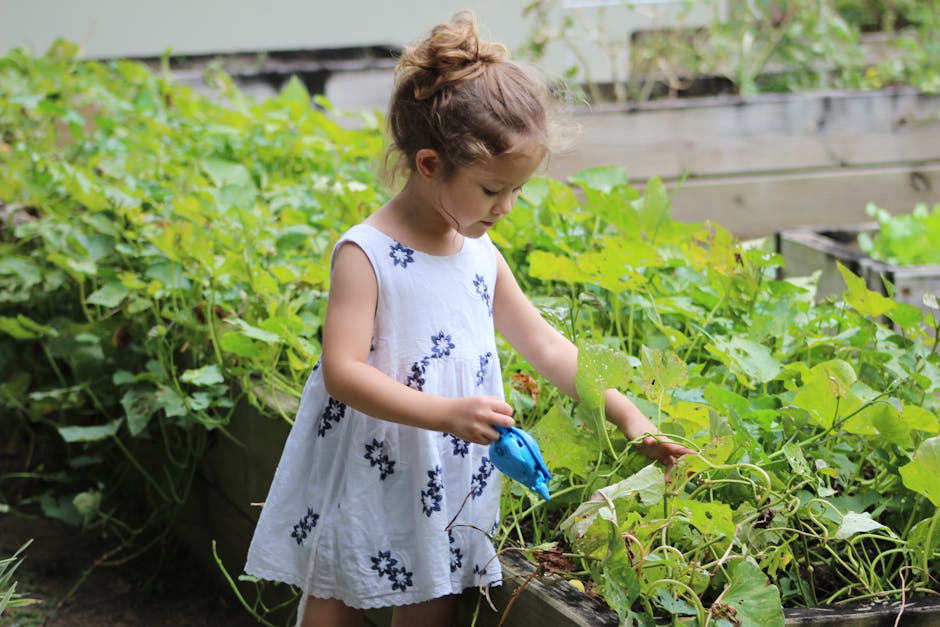
Children's Horticulture: Cognitive Development, Motor Skills, and Environmental Awareness
Foster child development through gardening: cultivation, safety, pollinator attraction, and water management for sustainable connection.

Nassella tenuis: Native Grass for Sustainable Landscaping and Urban Gardens
Explore the use of Nassella tenuis in garden design and urban farms, highlighting its resilience, low maintenance, and ecological benefits.

Integrating Hoverflies in Gardens for Biological Control and Pollination
Attract hoverflies with strategic botanical design: accessible flowers, continuous bloom, and safe habitats for pest control and pollination.