Home Horticulture: Nutritional, Ecological, and Psychosocial Benefits
Home cultivation: improves nutrition, reduces ecological footprint, saves money, and fosters mental well-being. Innovation and sustainability.

Enhancing Nutritional Quality and Food Security with Home Gardens
The growing interest in self-sufficiency and a deeper connection with nature has spurred a resurgence in home horticulture. Establishing a garden at home, whether on a balcony, patio, or in a backyard, represents far more than a simple pastime; it is an investment in personal health, family finances, and environmental sustainability. This holistic approach to food cultivation offers a range of advantages that positively impact various aspects of daily life.
Nutritional Quality of Fresh Produce
Cultivating a garden at home ensures access to fresh food, free from pesticides and herbicides. Vegetables harvested just before consumption retain a higher content of vitamins, minerals, and antioxidants, surpassing in nutritional value products that have traveled long distances and been stored for extended periods. This practice encourages a diet rich in seasonal vegetables, directly contributing to improved family health. The global trend towards conscious eating and a preference for products with known origins reinforces the relevance of this option.
To begin, consider easy-to-maintain species such as lettuce, spinach, Swiss chard, or aromatic herbs like parsley and basil. These plants require basic care and offer continuous harvests, ideal for beginners. A recent study from the University of Buenos Aires highlights how consuming vegetables from one’s own garden improves health biomarkers in urban communities. You can find more details on simple crops at Infojardín.
Reducing the Ecological Footprint Through Sustainable Horticulture Practices
Minimizing Your Domestic Ecological Footprint
The presence of a home garden significantly contributes to reducing your carbon footprint. By eliminating the need for food transportation, the emission of greenhouse gases is minimized. Likewise, the practice of composting domestic organic waste, a technique increasingly adopted in Argentina, transforms waste into natural fertilizer, closing the nutrient cycle and reducing the amount of garbage sent to landfills. Integrating native plants or local varieties into the garden, a permaculture strategy, promotes biodiversity and attracts essential pollinators like bees and butterflies, which are vital for the ecosystem.
Implementing a composting system is straightforward; you can start with a drum composter or a simple pile. The Argentine government offers guides on home composting. Using organic mulching materials like straw or pruning waste conserves soil moisture and suppresses weeds, decreasing the need for irrigation. Drip irrigation systems with moisture sensors, a growing innovation, optimize water consumption by up to 50%. You can learn more about drip irrigation at jardineriaon.com.
Household Savings and Mental Health
Economic and Psychological Benefits of Growing Food at Home
From an economic perspective, growing vegetables at home generates considerable savings in the family budget, especially for high-demand items. Proper planning of staggered sowings can ensure a constant supply of fresh produce. Beyond the monetary benefit, gardening is recognized as a therapeutic activity. Contact with the soil, the growth cycle of plants, and the act of caring for a living thing offer an opportunity to disconnect from daily stress, improve concentration, and foster patience. Horticulture has been validated by psychotherapy studies as an effective tool for reducing anxiety and promoting general well-being, a concept known as “horticultural therapy.” An article from Psicología y Mente delves deeper into this topic.
To maximize savings, focus on crops you consume frequently and that are expensive in the market. Regular observation of plants and dedication to their care can be a form of active meditation. Consider crop rotation, an ancient agronomic technique, to optimize soil use and prevent nutrient depletion, thereby increasing productivity.
Integrating Technology into Home Horticulture
Home horticulture is not exempt from technological innovations. Vertical farming systems, which allow for production in small spaces like balconies or walls, are gaining popularity in cities such as Buenos Aires and Córdoba. These systems, often complemented by LED lighting and automated irrigation, demonstrate how technology facilitates fresh food production in dense urban environments. A blog from EOI explains vertical agriculture in urban settings. Furthermore, the development of new seed varieties, more resistant to extreme climatic conditions or specific pests, such as those researched by INTA in Argentina, offers home gardeners more robust and productive options, aligning with the challenges of climate change.
Integrating Technology and Advanced Varieties in Urban Horticulture
Exploring compact hydroponic or aeroponic kits can be an excellent way to experiment with these advanced techniques. Mobile applications specialized in gardening can assist with sowing plans, growth tracking, and pest identification. Implementing soil moisture sensors connected to smart irrigation systems ensures plants receive the right amount of water, preventing waste.
Creating a home garden transcends simple food production; it represents a lifestyle that values health, sustainability, and well-being. From nutritional improvement and reduced environmental impact to fostering peace of mind and economic savings, the benefits are multifaceted. Adopting this practice is a concrete step towards a life more connected with natural rhythms and a greener, more self-sufficient future. Home gardening, enriched by sustainable practices and technological innovations, solidifies itself as a powerful tool for individual and collective well-being.
Related Articles

Oyster Mushroom Cultivation at Home: Techniques and Conditions for Successful Fruiting
Learn to cultivate Pleurotus ostreatus at home. Technical guide on substrates, incubation, and conditions for abundant harvests.
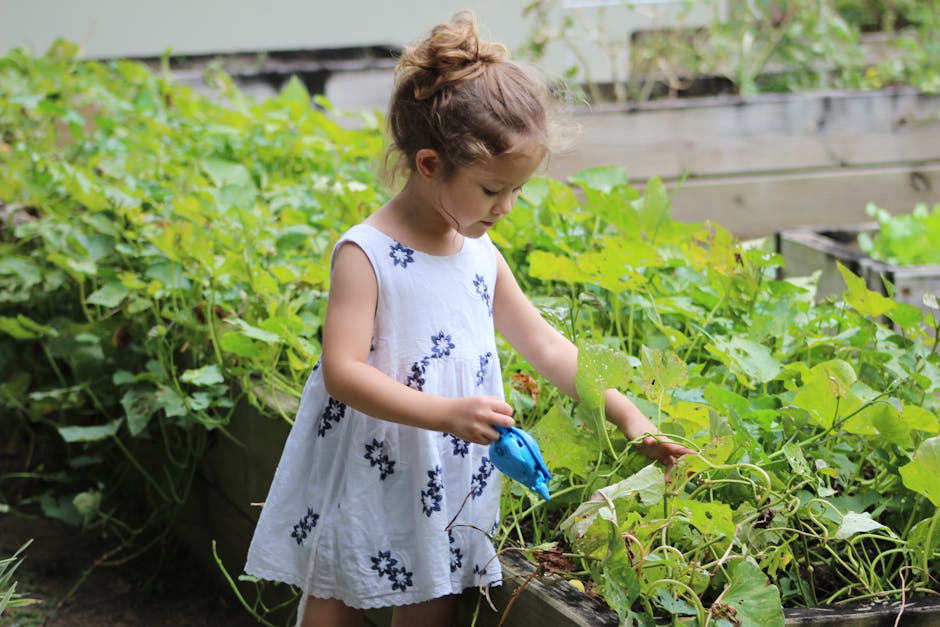
Children's Gardening: Species Selection, Substrates, and Innovative Planting Methods
Master plant selection, substrate preparation, and planting techniques for children's gardens, fostering learning and ecological awareness.

Optimizing Gardens with Seasonal Climate Analysis and Practice Adaptation
Leveraging seasonal forecasts for strategic adjustments in planting, variety selection, and crop protection ensures robust garden resilience and yield.
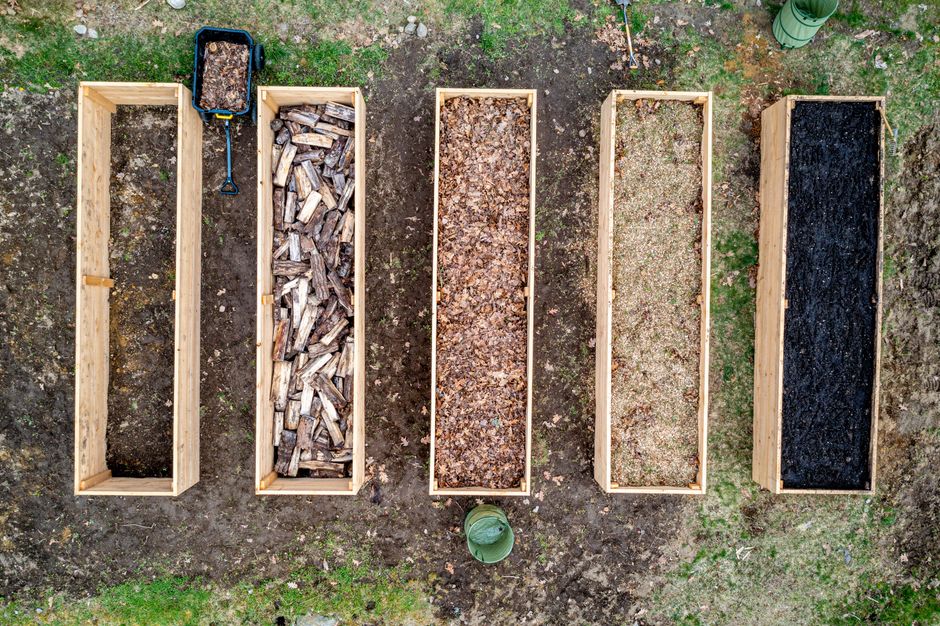
Urban Horticulture: Raised Bed Design, Substrate & Sustainable Management
Optimizing materials, organic substrates, efficient irrigation, and pest control for raised bed horticulture, promoting sustainability.