Carrot Cultivation Optimization: Substrate, Irrigation, and Integrated Pest Management
Details essential practices for healthy carrots: soil preparation, efficient water management, and pest control strategies.

Substrate Preparation and Direct Sowing Protocols
The carrot (Daucus carota) is an essential crop in both home gardens and commercial farms, valued for its nutritional contribution and culinary versatility. Its cultivation, while direct, requires attention to specific factors to ensure optimal root development and abundant harvests. This article details the fundamental practices, incorporating innovative approaches for gardeners seeking to maximize the production of this vegetable in diverse environments, from small beds to urban agriculture systems.
Substrate Preparation and Direct Sowing Protocols
Success in carrot production critically depends on substrate quality. These tuberous roots thrive in loose, deep, and well-drained soils, with an ideal pH between 6.0 and 7.0. The presence of stones or compacted clods can lead to forked or deformed roots, compromising harvest quality. Incorporating mature compost or worm castings enriches soil structure, improving its water-holding capacity and aeration without adding excess nitrogen, which would favor foliage over root development. For optimal soil health, consulting specialized resources on garden soil management, such as those provided by INTA in Argentina (see: https://www.inta.gob.ar/), is recommended.
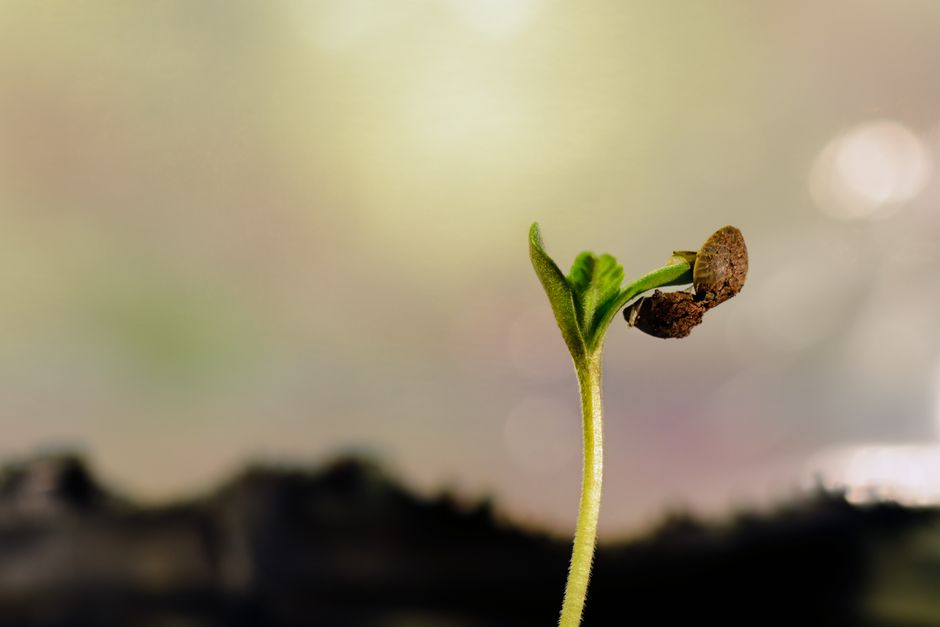
Carrot seeds are sown directly into the ground, avoiding transplanting which typically stresses the taproot. It is recommended to sow seeds at a depth of 1 to 2 centimeters, maintaining a spacing of 3 to 5 centimeters between plants and 20 to 30 centimeters between rows. To facilitate germination, which can be slow and erratic, pelleted seeds can be used. This innovation encapsulates the seed in a clay layer, simplifying handling and spacing. Another technique is to mix seeds with fine sand before sowing to achieve a more uniform distribution. Subsequent watering should be gentle and consistent until seedling emergence, usually within 7 to 21 days, depending on the variety and environmental conditions.
Water Management and Specific Nutrient Supply for Roots
Consistent hydration is vital for uniform carrot development. Water scarcity can cause roots to become fibrous and bitter, while excess or extreme fluctuations can induce cracking. Regular, deep watering is advised, especially during dry periods. The use of drip irrigation systems optimizes water distribution directly to the root zone, minimizing waste and surface evaporation. Increasingly accessible soil moisture sensor technologies allow for precise water management, adapting irrigation to the crop’s actual needs and contributing to sustainability. More information on efficient irrigation systems can be found on platforms like Infojardin (see: https://www.infojardin.com/).
Regarding nutrition, carrots primarily demand phosphorus and potassium for strong, sweet root development. An excess of nitrogen, while stimulating foliar growth, can hinder root formation and make them more susceptible to pests. Incorporating wood ash (a source of potassium) or bone meal (a source of phosphorus) into the substrate before sowing, or as a top dressing during the growing cycle, provides these elements in a balanced way. Applying seaweed extracts can also enhance nutrient uptake and the plant’s overall resistance, aligning with regenerative agriculture practices.
Integrated Pest and Pathogen Control Strategies
Protecting carrot crops against pests and diseases is crucial for ensuring a healthy harvest. Among the most common pests is the carrot rust fly (Psila rosae), whose larvae bore into the roots, and aphids, which weaken plants by sucking sap. To mitigate these issues, various integrated management strategies are implemented. Crop rotation is an essential practice that disrupts pest life cycles and reduces pathogen accumulation in the soil. The use of insect netting can prevent the carrot rust fly from accessing the crop.
Biological control, through the introduction of beneficial insects like ladybugs (aphid predators) or the use of entomopathogenic nematodes for soil larva control, represents a growing trend in sustainable horticulture. For diseases, early blight (Alternaria dauci) and downy mildew are the most prevalent, causing leaf spots and weakening the plants. Choosing resistant varieties and ensuring good air circulation among plants are key preventive measures. Applying organic copper or sulfur-based fungicides may be necessary in cases of severe outbreaks, always prioritizing preventive and ecological approaches. For deeper insights into biological control methods, specialized resources like those from La Huertina de Toni can be consulted (see: https://lahuertinadetoni.com/).
Optimal Harvest and Carrot Preservation Methods
The right time for harvesting carrots varies by variety and growing conditions, typically between 60 and 90 days after sowing. A reliable indicator is the size of the root’s “shoulder,” which should slightly emerge from the soil and have an adequate diameter for consumption. It is preferable to harvest on a cool, slightly moist day to facilitate extraction and minimize root damage. Loosening the soil around the carrot with a fork before gently pulling on the foliage is recommended.
For prolonged storage, carrots should be cleaned of loose soil, and their tops removed as they draw moisture from the roots. They are best preserved in a cool, dark place with high humidity. Storing them in damp sand or peat in basements or cellars can keep them fresh for several months. In home settings, carrots can be stored in the refrigerator’s vegetable crisper within perforated bags or containers with a little water at the base, which extends their freshness. Selecting carrot varieties with good storage capacity is an important consideration for those planning for winter consumption. For more details on vegetable preservation, guides on the website of the Spanish Ministry of Agriculture can be helpful (see: https://www.magrama.gob.es/es/agricultura/).
Growing carrots in a home or urban garden is a rewarding experience that, with the application of appropriate techniques and consideration of recent innovations, can yield high-quality harvests. From meticulous soil preparation to efficient water management and biological pest control, each stage contributes to success. Adopting sustainable practices not only ensures plant health but also enriches our garden’s ecosystem, allowing us to enjoy fresh, nutritious carrots grown with environmental consciousness.
Related Articles
Argentine Horticultural Calendar: Climate Adaptation and Sustainable Techniques for Success
Align your planting with Argentina's diverse climate. Select species, optimize irrigation, and improve soils for resilient production.

Dew Harvesting: Mechanisms, Systems, and Applications in Sustainable Agriculture
Dew harvesting strategies using biomimetic and passive surfaces to supplement irrigation and enhance crop resilience.

Spider Mite Control on Roses: Biology & Management
Effective control of spider mites on roses through understanding their life cycle, cultural practices, natural predators, and selective acaricides.

Solanum lycopersicum: Botanical and Agronomic Principles for Home Cultivation
Master essential botanical and agronomic principles for successful home tomato cultivation, from variety selection to plant health management.