Crop Rotation: Principles, Ecological Benefits, and Strategic Design for Agricultural Sustainability
Crop rotation is a strategy of alternating plant species to improve soil health, manage nutrients, control pests, and enhance agricultural resilience.
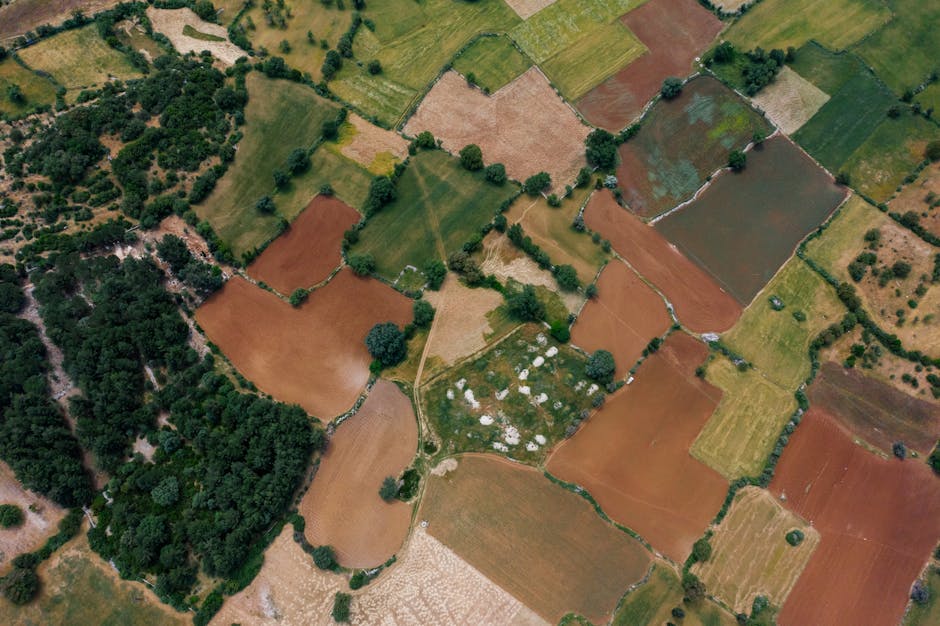
Principles and Mechanisms of Crop Rotation
Soil health is the fundamental pillar of any productive agricultural system, whether it’s a family garden or a large-scale operation. In the pursuit of abundant and sustainable harvests, crop rotation emerges as an invaluable agronomic strategy. This ancient practice, updated with modern scientific knowledge, not only optimizes the use of natural resources but also strengthens the resilience of productive ecosystems against current environmental challenges. Implementing an appropriate rotation scheme is an investment in the long-term vitality of our land, ensuring the continuity of production and food quality.
Fundamentals and Mechanisms of Agricultural Rotation
The rotation of crops involves alternating different plant species in the same plot over time, following a planned sequence. This approach differs from monoculture, where a single species is planted repeatedly, depleting specific nutrients and favoring pests and diseases. The basic principles of rotation focus on the differential utilization of nutrients, root structure, and susceptibility to pathogens and weeds.
Nutrient Management in Rotational Systems
Each plant has specific nutritional requirements and distinct absorption patterns. For example, legumes (such as peas, beans, or clover) have the ability to fix atmospheric nitrogen in the soil thanks to symbiotic bacteria in their roots (genus Rhizobium), naturally enriching the substrate for subsequent crops that demand nitrogen, like leafy vegetables. By alternating high-nitrogen-demand crops with legumes or species with lower requirements, soil balance is maintained, and the need for synthetic fertilizers is reduced. Recent studies by INTA in Argentina highlight how the inclusion of grasses and legumes in rotations improves long-term phosphorus and potassium availability.
Phytosanitary Control Through Species Sequencing
The alternation of crops interrupts the life cycles of specific pests and pathogens associated with a particular plant family. For instance, if tomatoes (solanaceous) are grown followed by corn (a grass), the larvae or spores that affected the tomatoes will not find their preferred host in corn, decreasing their population. This strategy is key in regenerative agriculture, where the goal is to minimize the use of agrochemicals by promoting biodiversity and soil health as the first line of defense. The incorporation of trap crops or allelopathic species also forms part of these sequences for biological control.
Ecological Impact and Agronomic Benefits of Rotation
Proven Ecological Impact and Agronomic Benefits
The benefits of crop rotation transcend immediate productivity improvements, extending to the ecological health of the agroecosystem.
Impact on Soil Structure and Microbiota
Different root systems affect soil structure in various ways. The deep roots of some plants (like alfalfa or forage radish) improve aeration and drainage, breaking up compacted layers and facilitating water infiltration. The fibrous roots of others (like wheat or corn) contribute to soil aggregation, preventing erosion. This root diversity fosters a richer and more balanced soil microbiota, essential for the decomposition of organic matter and nutrient cycling. Current research emphasizes the importance of this microbial diversity for soil resilience against extreme weather events.
Optimization of Water Resources and Weed Reduction
By improving soil structure, its water-holding capacity increases, reducing the need for supplemental irrigation. Furthermore, rotation can include cover crops or species that effectively compete with weeds for light and nutrients, suppressing their growth and decreasing the need for herbicides. The implementation of winter cover crops is a growing trend in the Pampas region to improve soil health and reduce weed pressure.
Resilience to Climate Change
The diversity of crops in rotation strengthens the adaptive capacity of production systems. Healthy soil, with high organic matter and improved structure, is more resilient to droughts and floods, phenomena that are becoming increasingly frequent. This strategy aligns with the principles of sustainable agriculture and food security, promoting more robust systems that are less dependent on external inputs.
Design and Implementation of Effective Rotation Schemes
Designing and Implementing Effective Rotation Schemes
Planning a successful rotation requires considering several factors, including local climate, soil type, and production objectives.
Designing Rotation Schemes
A common strategy is to divide crops into groups based on their characteristics:
- Legumes: Nitrogen fixers (peas, beans, lentils, soybeans, clover).
- Leafy/Fruiting Vegetables: Nitrogen demanding (lettuce, spinach, Swiss chard, tomatoes, peppers, squash).
- Root/Tuber Vegetables: Potassium and phosphorus demanding (carrots, potatoes, radishes, sweet potatoes).
- Cereals/Grasses: Improve soil structure (corn, wheat, oats, barley). The ideal sequence avoids repeating crops from the same family in the same plot for at least 3-4 years. For example, after a legume (which enriches the soil), a leafy vegetable can be planted. Then, a root vegetable, and finally a grass or cover crop to restore organic matter.
Selecting Species for Productive Cycles
The choice of crops must consider compatibility and mutual benefits. Introducing native varieties or those adapted to local conditions, such as those promoted by INTA’s ProHuerta program, can strengthen the resilience of the rotation. Research into new legume varieties that are more drought-tolerant or have a higher nitrogen-fixing capacity also offers opportunities to optimize these systems. Innovations in precision agriculture, while more applicable to large scales, suggest the importance of monitoring soil health and adapting rotations based on specific data.
Conclusion
Crop rotation is much more than a simple alternation of plants; it is a management philosophy that honors and renews soil vitality. By integrating this practice into our gardens and fields, we are not only harvesting healthier and more abundant food but also actively contributing to environmental sustainability, biodiversity conservation, and the resilience of our agricultural systems in the face of a changing climate. It is a long-term investment in the fertility of the land, a legacy for future generations of producers and consumers. Adopting these strategies, informed by science and tradition, is a fundamental step towards more conscious and productive agriculture throughout the region. Tags: crop rotation, soil health, sustainable agriculture, legumes, nutrient management, pest control, organic matter, agricultural resilience Category: Soil Management
Related Articles

Optimizing Soil pH for Lettuce Cultivation: Fundamentals and Strategies
Discusses measuring and correcting soil acidity in lettuce, detailing liming, organic matter, and biofertilizer techniques.

Cultivate Calm: Design a Stunning Low-Maintenance Garden That Thrives
Learn how to design a beautiful, sustainable low-maintenance garden that saves you time and effort, letting you enjoy your outdoor space more.

Harvesting Gold: Master Sweet Potato Cultivation for Abundant Yields
Master expert tips and practical techniques to successfully grow sweet potatoes, transforming your garden into a source of delicious, nutritious harvests.

Legumes in the Home Garden: Nitrogen Fixation, Soil Health, and Sustainable Cultivation
Enhance legume production with planting, irrigation, and pest control practices. Enhance soil fertility and climate resilience.