Year-Round Lettuce Cultivation: Varieties, Techniques, and Environmental Management
Ensure seasonally fresh lettuce through varietal selection, staggered planting, hydroponics, and microclimate control for continuous harvest.
Varietal Selection and Climate Adaptation for Continuous Cultivation
The ability to harvest fresh lettuce year-round is an achievable goal for growers of all scales, from urban balconies to family gardens. This approach, moving beyond traditional seasonality, relies on a strategic combination of varietal selection, advanced cultivation techniques, and proactive environmental management. Continuous production of this nutrient-rich and versatile vegetable not only optimizes space and resource utilization but also guarantees a steady supply of fresh, healthy food. Implementing adaptive methods allows for overcoming climatic limitations, transforming lettuce cultivation into a productive and rewarding activity throughout the twelve months.
Varietal Selection and Climate Adaptation
Proper variety selection is the foundation for year-round lettuce cultivation. Not all lettuce varieties respond equally to fluctuations in temperature and light. Loose-leaf varieties, such as ‘Butterhead’ or ‘Bibb’, tend to be more tolerant of heat and premature bolting in summer, while ‘Romaine’ or ‘Iceberg’ types prefer cooler climates. For the colder months, ‘Red Leaf’ or ‘Lollo Rossa’ lettuces exhibit greater resistance to low temperatures.
Recent plant breeding research has developed hybrid cultivars with greater environmental plasticity, capable of adapting to a wider range of conditions. For example, certain ‘Oak Leaf’ lettuce varieties have shown excellent performance across different seasons, maintaining quality and flavor. Planting schedules must consider these particularities, alternating lettuce types based on the season and local climate projections. Consulting specialized seed suppliers or research institutions like INTA (National Agricultural Technology Institute) in Argentina offers precise information on recommended varieties for each region and time of year. For more details on lettuce cultivation, you can refer to INTA’s information: Lettuce Cultivation.
Staggered Planting Techniques and Innovative Cultivation Systems
Continuous Cultivation Techniques and Innovative Systems
Staggered planting is a fundamental strategy for ensuring an uninterrupted harvest. It involves making small sowings or transplanting every 2-3 weeks, ensuring that plants are always in different stages of development. This technique prevents overproduction and the depletion of a simultaneous crop.
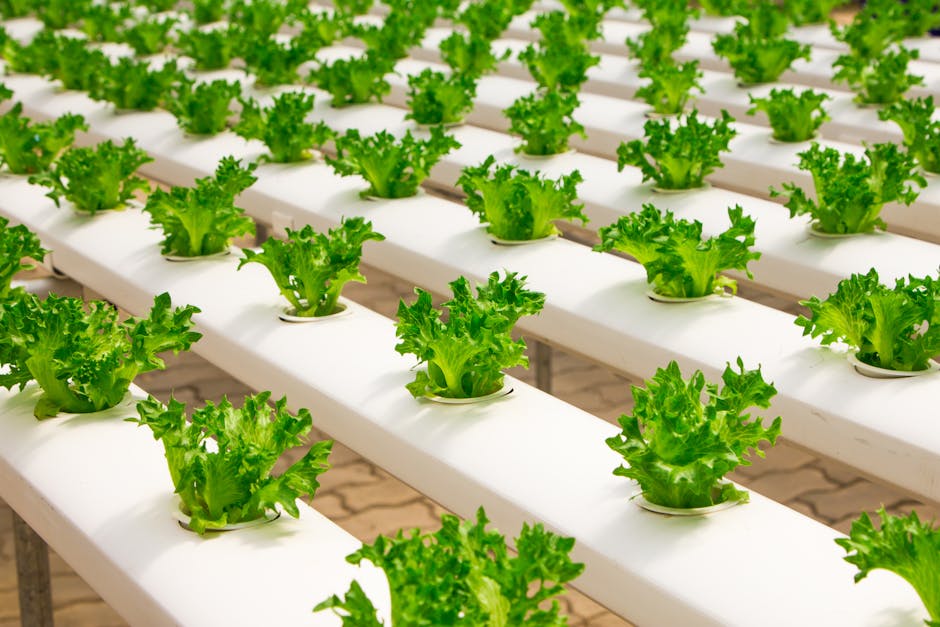
For small or urban spaces, vertical farming and container gardening offer efficient solutions. Vertical tower systems or vertical gardens optimize space usage and facilitate environmental condition control. Hydroponics and aeroponics represent significant advancements in lettuce production, allowing precise control over nutrition and root environment, resulting in faster growth and a lower incidence of pests and diseases. These systems, which use nutrient solutions instead of soil, are ideal for intensive and continuous cultivation, regardless of external conditions. An example is the NFT (Nutrient Film Technique) system, widely adopted for its efficiency in water and nutrient use. The implementation of these technologies, while requiring an initial investment, drastically reduces dependence on climatic factors and cultivable land area. More information on hydroponic cultivation is available at InfoJardín.
Environmental Management and Phytosanitary Protection
Microclimate management is essential for maintaining productivity. During warm months, protection from intense sun and high temperatures is achieved through shade nets that reduce radiation and prevent premature bolting. In winter, crop tunnels or small greenhouses, even homemade ones, protect plants from frost and extreme cold, extending the growing season. Adequate ventilation is crucial for preventing fungal diseases in enclosed environments.
Proactive Environmental Management and Integrated Phytosanitary Strategies
Integrated Pest Management (IPM) is indispensable for healthy and sustainable cultivation. Early identification of pathogens and the implementation of physical barriers, such as insect nets, along with the use of natural predators (biological control) or botanical extracts, minimize the need for agrochemicals. Crop rotation, even in pots, helps break the life cycles of pests and diseases present in the substrate. The incorporation of humidity and temperature sensors with automated monitoring systems allows for optimizing irrigation and ventilation, preventing water or thermal stress in plants. You can learn more about IPM by visiting La Huertina de Toni.
Essential Nutrition and Harvesting Practices
As a fast-growing plant, lettuce requires constant nutrition. A substrate rich in organic matter is fundamental. Compost, worm castings, or balanced organic fertilizers provide the necessary nutrients, especially nitrogen for leaf development. Applying compost tea or worm casting leachate improves soil health and nutrient availability for the roots. It is crucial to avoid excess nitrogen, which can lead to nitrate accumulation in the leaves, and to ensure a balance with phosphorus and potassium for robust development.
The ‘cut-and-come-again’ harvesting technique is ideal for extending the lifespan of loose-leaf lettuce plants. Instead of harvesting the entire plant, only the outer leaves are cut, allowing the center to continue producing new leaves. This enables multiple harvests from the same plant over several weeks, maximizing production and reducing the frequency of planting. Harvesting should preferably be done early in the morning when the leaves are most turgid and crisp, ensuring the best quality and freshness. To better understand lettuce nutrition, review the information at Intagri.
Specific Nutrition and Sustainable Harvesting Methods
Cultivating lettuce year-round is an achievable goal through the application of sound agronomic principles and the integration of innovations. The combination of conscious varietal selection, staggered planting, environmental control, and the use of advanced cultivation systems like hydroponics allows growers to overcome seasonal barriers. Dedication to soil or growing medium health and the adoption of sustainable harvesting practices ensure a constant supply of this valuable vegetable. This approach not only enriches the family diet with fresh produce but also fosters a deeper connection with natural cycles and the possibilities of modern agriculture.
Related Articles

Home Greenhouses: Structure, Environmental Control, and Sustainable Cultivation
Implementing home greenhouses: material selection, assembly techniques, and microclimate control for optimized agricultural production.

Adapting and Managing Native Andean Potatoes in Temperate Climates
Explore varietal selection, nutrition, biological control, and conservation of Andean potatoes for successful cultivation outside their native habitat.

Squash Cultivation: Soil Preparation, Genotype Selection, and Nutritional Management
Enhance squash production with substrate techniques, adapted genotypes, and nutritional strategies for abundant, quality harvests.

From Soil to Soul: The Incredible Advantages of Starting Your Home Garden
Understand the myriad benefits of home gardening, from fresh, healthy produce to mental well-being and environmental sustainability.