Ecological Pest Control: Integrated Methods for Sustainable Urban Gardens
Master preventive, biological, botanical, and cultural strategies for chemical-free pest management, fostering resilient garden ecosystems.
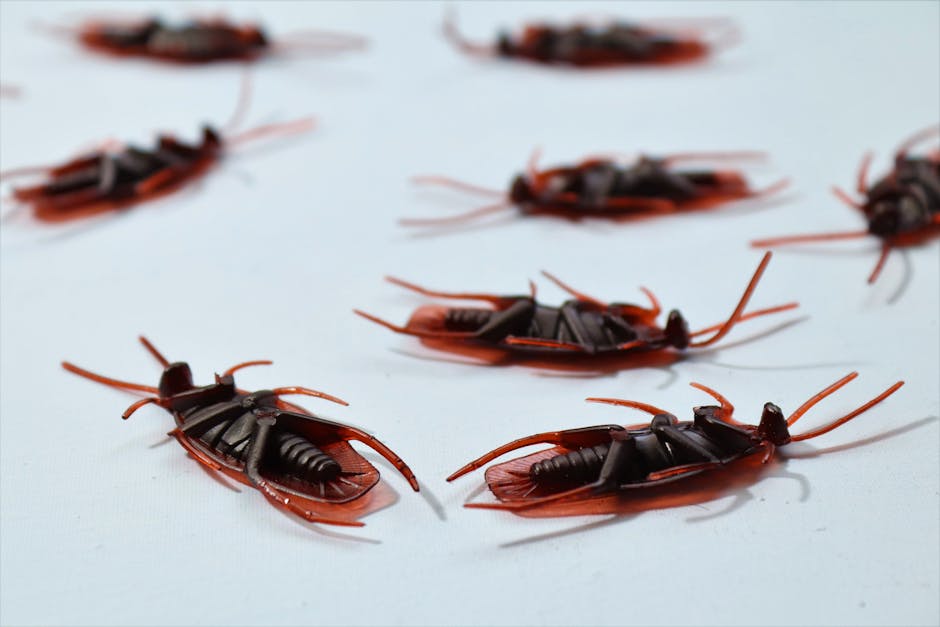
Ecosystem Assessment and Pest Prevention Strategies
The growing awareness of environmental health and food quality is driving urban horticulturalists and gardeners to seek sustainable alternatives for pest management. Implementing strategies without the use of synthetic chemicals not only protects the garden ecosystem but also ensures safer and more nutritious harvests. This approach aligns with permaculture and regenerative agriculture principles, which promote biodiversity and the natural resilience of crops.
Ecosystem Assessment and Infestation Prevention
Effective pest management begins with a deep understanding of the cultivation environment. Continuous observation of the garden allows for the identification of insect activity patterns and the detection of early signs of potential infestation. This proactive monitoring is crucial for timely intervention with non-aggressive methods.
Selecting appropriate plant species is a fundamental pillar of prevention. Opting for native plant varieties or those known for their resistance to common regional pests significantly reduces vulnerability. Biodiversity in the garden, achieved by planting a wide range of species, fosters an ecological balance where beneficial insects can thrive and naturally control pest populations. A recent study from the University of Buenos Aires highlighted the effectiveness of floral diversity in attracting pollinators and natural predators in urban gardens.
Proper soil management is another determining factor. Healthy soil, rich in organic matter and with active microbiology, promotes the development of vigorous plants capable of better resisting pest attacks. Regular incorporation of compost and the practice of mulching not only nourish the soil but also create an environment less conducive to the proliferation of pathogens and harmful insect larvae. For example, applying good compost improves soil structure, facilitating aeration and drainage, which are vital for root health. You can find more information on home composting in resources like Infojardin.
Biological and Botanical Control Methods
Biological and Botanical Methods for Ecological Control
The introduction of living organisms and the use of plant extracts represent powerful tools in ecological pest control. These methods leverage natural interactions to keep harmful insect populations in check without affecting the health of the environment.
The controlled release of beneficial entomofauna is an advanced and highly effective technique. Insects such as Coccinellidae (ladybugs) or Chrysopidae (lacewings) are voracious predators of aphids and other soft-bodied pests. The availability of these natural allies in the garden can be encouraged by planting flowers that provide them with nectar and pollen. Recently, programs in Argentina have been developed for the use of Trichogramma spp. in controlling lepidopterans in extensive crops, demonstrating the scalability of these solutions.
The use of plant extracts with insecticidal properties is a safe alternative to synthetic agrochemicals. Neem oil (Azadirachta indica), for example, acts as an antifeedant and insect growth regulator, proving effective against a wide range of pests without being toxic to mammals or birds. Other homemade preparations, such as garlic or chili extracts, also possess repellent properties and can be used to protect sensitive crops. The application of these products should be done with caution and following instructions to maximize their effectiveness.
Ecological traps and physical barriers complement these strategies. Chromatic traps (yellow for aphids, blue for thrips) attract and capture flying insects. Physical barriers, such as insect netting or crop tunnels, prevent pests from accessing plants. These solutions are particularly useful in protecting seedlings and young crops, where vulnerability is highest.
Cultural Practices and Integrated Pest Management
The integration of various cultural practices into the crop calendar is essential for sustainable long-term pest control. These actions not only prevent but also minimize the impact of existing infestations.
Cultural Practices and Integrated Pest Management
Crop rotation is an age-old agronomic technique that disrupts the life cycles of plant-family-specific pests. By alternating the type of crop in the same plot year after year, the establishment of permanent pest and pathogen populations in the soil is avoided. This method is particularly effective against nematodes and fungal diseases that remain in the soil. For urban gardens, rotation can be applied in raised beds or large pots.
Companion planting, or intercropping, leverages chemical and physical interactions between different plant species. Plants like marigolds, basil, or Tagetes (marigolds) are known for their repellent properties against certain insects. For instance, basil can protect tomatoes from whiteflies, while marigolds help deter nematodes. This approach increases the biodiversity and resilience of the garden ecosystem. A useful resource for exploring combinations is La Huertina de Toni.
Sanitation and continuous monitoring are basic but fundamental practices. The removal of diseased or infested plant debris, as well as regular weed control, reduces refuges and food sources for pests. Daily inspection of plants allows for early detection of problems, facilitating corrective measures before the situation escalates. Clean gardening tools also prevent the spread of diseases and pests between crops.
Innovations and Advances in Ecological Control
The field of chemical-free pest control is constantly evolving, driven by scientific research and the demand for more sustainable solutions. New technologies and approaches promise to improve the efficacy and precision of these practices.
Advances in biotechnology applied to pest control include the development of new biopesticides based on specific microorganisms or more potent natural compounds. For example, research at the National Agricultural Technology Institute (INTA) in Argentina is exploring native strains of entomopathogenic fungi for agricultural pest control, offering solutions adapted to local conditions. These products offer high specificity, minimizing the impact on non-target organisms.
Innovations and Advances in Sustainable Pest Control
Smart monitoring systems in horticulture are transforming how pests are detected and managed. Connected sensors and mobile applications allow gardeners to monitor environmental conditions, plant health, and pest presence in real-time. This information facilitates informed decision-making and precise application of treatments, optimizing resources and reducing effort. Precision agriculture thus reaches the urban garden, enabling more efficient and reactive management.
Research into allelopathy, the study of biochemical interactions between plants, offers new avenues for plant protection. Identifying and understanding the compounds that certain plants release to repel pests or inhibit weed growth can lead to the development of new management strategies. These findings reinforce the importance of biodiversity and companion planting, providing a scientific basis for age-old practices.
Adopting chemical-free pest control strategies represents a commitment to sustainability and health. By integrating prevention, biological and botanical methods, cultural practices, and technological innovations, horticulturalists can grow healthy food and protect the environment. This holistic approach not only solves pest problems but also builds stronger, more resilient garden ecosystems, benefiting the community and the planet in the long run.
Related Articles

Argentina's Golden Grain: Cultivating Quinoa for a Bountiful Harvest
Understand the rising trend of quinoa cultivation in Argentina, from ideal climates to sustainable practices, and unlock the secrets to a successful superfood harvest.
Design and Construction of Herb Spirals for Controlled Microclimates
Helical structure optimizing space and water resources for stratified cultivation of herbs based on humidity and sun needs.

Home Carrot Cultivation: Substrate, Sowing, Water Management, and Plant Health
Details substrate preparation, direct sowing, water-nutritional management, pest control, and harvesting for carrots in urban gardens.

Sustainable Landscape Design: Principles for Minimizing Garden Maintenance
Master key principles and practical strategies for designing a beautiful, resilient garden that requires significantly less ongoing care and resource input.