Drip Irrigation: Water Efficiency and Crop Optimization in Modern Horticulture
Analysis of drip irrigation implementation and benefits for water conservation and improved plant development in various cultivation settings.
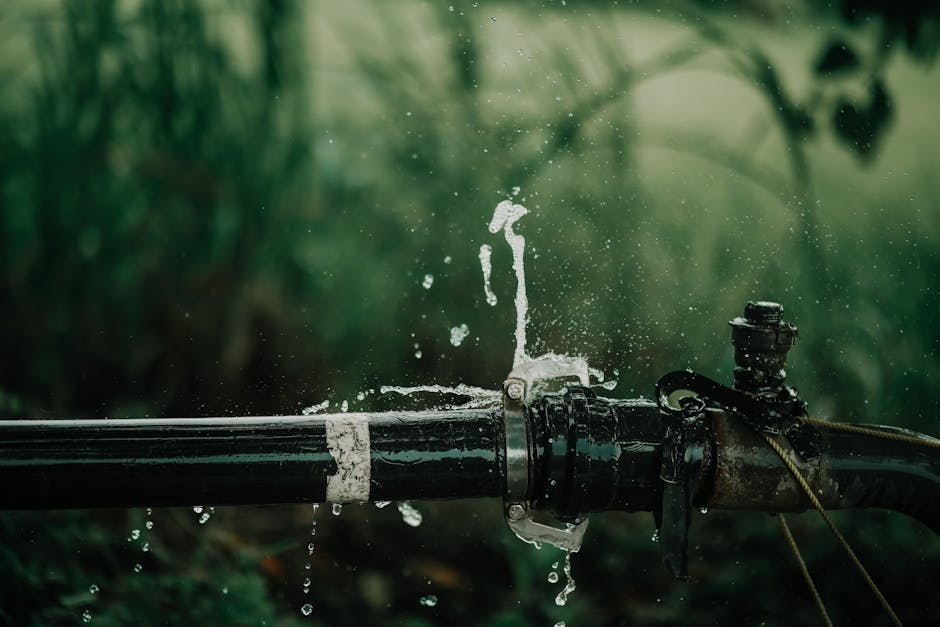
Benefits of Localized Water Application in Crops
Efficient water management is a fundamental pillar in contemporary horticulture, spanning large-scale operations, urban farms, and domestic gardens. Facing current water challenges, drip irrigation emerges as a technical solution that optimizes the consumption of this vital resource while promoting healthy plant development. This system, characterized by its precise and localized application, has gained traction for its efficacy and sustainability, becoming increasingly integrated into innovative agricultural practices. We will analyze its main advantages and key steps for effective implementation, considering trends towards more conscious and technologically advanced gardening.
Benefits of Localized Water Application
Drip irrigation offers a series of advantages that position it as a superior technique for water administration in diverse cultivation environments. Its basic principle, delivering water directly to the plant’s root zone, minimizes losses from evaporation and runoff, achieving water efficiency that can exceed 90%. This precision not only conserves water, a resource of increasing value, but also reduces weed growth by not wetting the areas between plants.
Another crucial aspect is the improvement in plant health. By keeping foliage dry, the incidence of fungal and bacterial diseases that thrive in humid environments is significantly reduced. Furthermore, the constant and controlled application of water and nutrients—through the technique of fertigation—ensures optimal availability for plants, fostering more vigorous and uniform development. Recent studies, such as those published by agronomic institutions, confirm that crops under drip irrigation typically show higher yields and superior quality. Automation, a growing trend, allows for the programming of irrigation cycles using moisture sensors and timers, saving the horticulturist time and effort while ensuring the exact dose at the precise moment. For more information on irrigation efficiency, resources like those offered by INTA (National Agricultural Technology Institute) can be consulted, which are relevant to our region.
Structural Components of a Drip Irrigation System
The configuration of a drip irrigation system requires the selection and assembly of several key elements, each with a specific function to ensure its operability and efficiency. The water source, whether a household faucet, a storage tank, or a pump, is the starting point. Following this, a filter is essential to prevent drippers from becoming clogged by particles. Various types exist, from mesh filters to disc filters, with the choice depending on the available water quality.
The pressure regulator is another critical component, as drippers operate optimally within a specific, generally low, pressure range. Mainlines, of larger diameter, distribute water from the source, while secondary or lateral lines, of smaller diameter, carry the water directly to the plants. Finally, the drippers or emitters, available in multiple configurations (self-compensating, fixed flow, adjustable), are responsible for releasing water drop by drop. Planning the design, considering the crop type, plant spacing, and terrain topography, is fundamental to ensuring homogeneous distribution. Recent innovations include drippers with anti-drain technology and modular systems that facilitate expansion and adaptation to different cultivation needs.
Installation Protocols for Drip Irrigation
The installation of a drip irrigation system, while accessible, requires following a series of steps to ensure its correct functioning. First, a detailed layout of the system is created, marking the location of mainlines, laterals, and emitter points. This stage is crucial for optimizing coverage and minimizing material quantity.
The connection to the water source is made with an adapter and a shut-off valve. Subsequently, the filter and pressure regulator are installed. It is advisable to place these components in an easily accessible location for maintenance. Mainlines are extended following the planned layout, securing them to the ground with stakes if necessary. Then, lateral lines are connected to the mainlines using specific connectors. Once the lateral lines are extended, holes are punched to insert drippers, or pre-dripped tubing is used. The spacing between drippers should be adapted to the water needs of each plant and the soil type.
Finally, before burying the tubing (if this method is chosen) or permanently fixing it, a system test is performed. This allows for verification of leaks, pressure adjustment, and confirmation that all drippers are functioning correctly. Advances in compression connectors and punching tools simplify this process, making it faster and less prone to errors. For visual guides and practical tips, blogs like La Huertina de Toni offer excellent content on installing domestic irrigation systems.
Optimization and Maintenance of Water Systems
The longevity and efficiency of a drip irrigation system largely depend on regular maintenance and continuous optimization. Periodic cleaning of the filter is essential to prevent sediment buildup that could clog the drippers. Likewise, lines should be inspected for potential leaks or damage caused by rodents or gardening tools, repairing them immediately to avoid water and pressure loss.
Calibrating the system according to the seasons and plant growth cycle is vital. Soil moisture sensors, connected to smart controllers, represent a significant innovation, allowing the system to irrigate only when the soil needs it, automatically adjusting duration and frequency. These devices, often managed via mobile apps, offer precise control and reduce unnecessary consumption. Fertigation, the addition of soluble fertilizers to the irrigation water, is another optimization technique that maximizes nutrient uptake by plants, minimizing waste. Implementing these technologies not only improves productivity but also aligns gardening practices with the principles of precision agriculture and environmental sustainability.
Drip irrigation is consolidating as an indispensable strategy for modern horticulture, merging water conservation with maximum crop productivity. Its adoption not only positively impacts garden yields but also contributes to more responsible and sustainable resource management. The continuous technological evolution in monitoring and automation systems promises to elevate this technique to even greater levels of efficiency, paving the way for a future where gardening and urban agriculture are synonymous with innovation and respect for the environment.
Related Articles

Portulaca grandiflora Cultivation: Soil, Climate, Propagation, and Management
Details substrate, sowing, irrigation, nutrition, and health for ornamental Portulaca grandiflora cultivation, promoting resilient gardens.

Argentinian Yunga Sustainable Gardening: Climate, Soil, Species
Adapt gardening practices to the bioclimatic and edaphic conditions of the Yunga, selecting native and resilient species for sustainable cultivation.

Ornamental Grasses: Design, Selection, and Sustainable Management in Landscaping
Explore species selection, composition principles, and management techniques for aesthetic and ecologically functional ornamental grass gardens.

Ground Cover: Soil, Biodiversity, Regenerative Landscaping
Selecting and managing ground covers to mitigate erosion, improve soil fertility and structure, and enhance ecosystem biodiversity.