Aromatic Herb Cultivation: Selection, Management, and Preservation for Modern Cuisine
Strategies for selecting, growing, and preserving fresh aromatic herbs, optimizing flavor and sustainability in your garden.
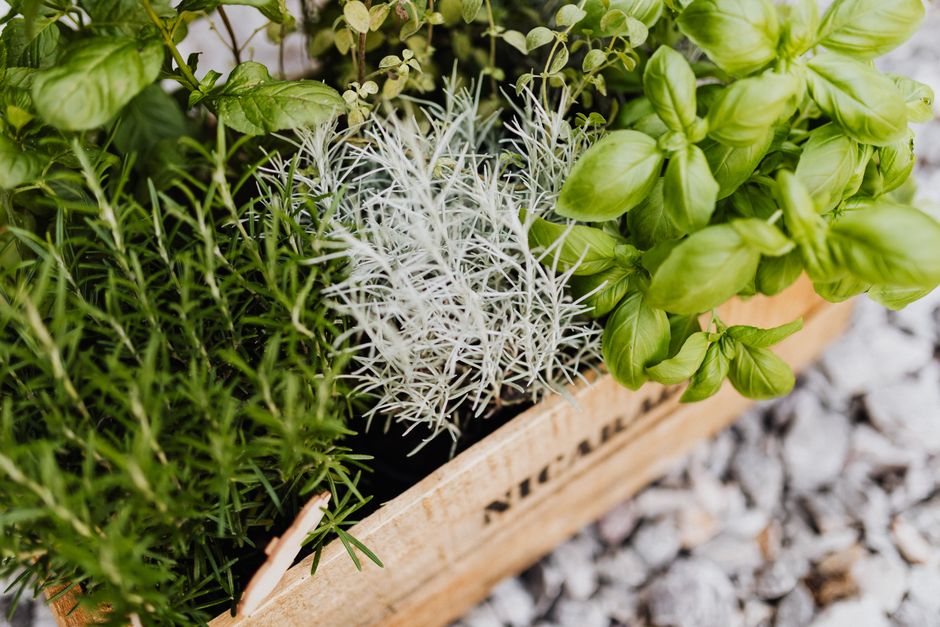
Selecting and Establishing Aromatic Species: Climate Factors and Substrate
Incorporating fresh aromatic herbs into cooking transforms any dish, adding nuances of flavor and fragrances that enhance the culinary experience. Beyond gastronomic pleasure, domestic cultivation of these species represents a sustainable practice that connects individuals with the source of their food, fostering a more conscious and healthy lifestyle. This approach not only guarantees ingredient freshness but also allows for the exploration of less common, pesticide-free varieties, optimizing the yield and quality of what is consumed.
Selecting and Establishing Aromatic Species
Success in growing aromatic herbs begins with proper species selection and optimal establishment. The choice should consider climatic factors, available space (balconies, patios, or gardens), and sun exposure. Species like rosemary (Rosmarinus officinalis), thyme (Thymus vulgaris), basil (Ocimum basilicum), and oregano (Origanum vulgare) thrive in warm climates with abundant sun, while mint (Mentha spicata) and parsley (Petroselinum crispum) prefer locations with partial shade and higher humidity. For establishment, a well-drained substrate rich in organic matter is fundamental. Incorporating compost or worm castings significantly improves soil structure, providing essential nutrients for vigorous development. Propagation can be done from seeds, cuttings, or seedlings, with the latter option being the quickest way to achieve results. A recent study from the National University of La Plata highlights the adaptability of Genoese basil varieties for pot cultivation, facilitating their integration into urban gardens with space limitations. https://inta.gob.ar/documentos/cultivo-de-hierbas-aromaticas-en-casa
Agronomic Management: Watering, Nutrition, and Biological Pest Control
Agronomic Management for Optimal Development
Constant care is crucial to keep aromatic herbs productive and healthy. Watering should be moderate and adapted to the specific needs of each plant and environmental conditions; excessive water is a common cause of root diseases. Implementing drip irrigation systems or self-watering techniques in pots optimizes water usage, a valuable resource. Nutrition focuses on the use of organic fertilizers, such as compost tea or liquid seaweed-based fertilizers, which provide micronutrients without saturating the soil with chemicals. Regular pruning is an essential practice to encourage lateral growth and the production of new leaves, as well as to prevent premature flowering in species like basil, which alters its flavor. Regarding pest and disease control, prevention is key. Crop rotation, companion planting (such as calendula with aromatics to repel insects), and the application of natural preparations like neem oil or garlic extracts are effective strategies. Periodic observation allows for timely identification of problems and the application of biological solutions before they spread. Current trends in horticulture, such as the use of humidity sensors connected to mobile applications, allow for precise monitoring of the water needs of each pot, optimizing irrigation and minimizing plant water stress.
Sustainable Harvesting and Preservation Methods
Harvesting and Preservation: Methods to Preserve Essential Oils
Proper harvesting not only ensures the availability of fresh herbs but also stimulates greater plant yield. Collection should preferably be done in the morning, after the dew has dried, when essential oils are most concentrated. It is crucial to harvest only the leaves or stems that will be used, avoiding uprooting the entire plant. For continuous growth, it is recommended to cut the upper branches, encouraging branching and the production of new leaves. Preservation techniques allow for the enjoyment of aromatic herbs throughout the year. Air-drying in a dark, ventilated place is ideal for species like oregano, thyme, and rosemary. Freezing, either whole leaves or chopped and mixed with olive oil in ice cube trays, better preserves the flavor and color of more delicate herbs like basil or parsley. Another option is preparing infused oils and vinegars, which not only preserve the herbs but also add a gourmet touch to dressings. Recent research into preservation methods, such as using low-temperature dehydrators, has shown greater retention of volatile compounds and organoleptic properties compared to traditional drying, offering higher quality in the final product. https://www.lahuertinadetoni.es/como-secar-hierbas-aromaticas/
Integration into Modern and Sustainable Cultivation Systems
The cultivation of aromatic herbs aligns perfectly with current trends toward urban agriculture and sustainability. The implementation of vertical gardens on balconies or walls not only maximizes space in urban environments but also adds an aesthetic and functional element. Within the framework of permaculture, aromatic herbs act as companion plants, repelling pests from other crops or attracting beneficial insects. For example, rue can act as a natural repellent in the garden. Hydroponics and aeroponics represent technological advancements that allow herbs to be grown in controlled environments, with minimal water use and without the need for soil, offering solutions for large-scale production or cultivation in adverse climates. The University of Buenos Aires has promoted community hydroponic garden projects that demonstrate the viability and efficiency of these techniques for producing aromatics. The integration of artificial intelligence for monitoring growth conditions, such as light intensity and nutrient concentration, is an emerging innovation that promises to further optimize the production and quality of home-grown herbs. These systems not only facilitate care but also promote greater resource efficiency, contributing to food resilience in cities. https://www.infojardin.com/articulos/cultivo_de_hierbas_aromaticas.htm
Integration into Modern Cultivation Systems: Vertical Gardens and Hydroponics
The inclusion of fresh aromatic herbs in the home kitchen, obtained from one’s own sustainable cultivation, represents an enriching and beneficial practice. From the initial selection of species to the application of advanced agronomic management techniques and efficient preservation methods, each stage contributes to a superior culinary experience and a lifestyle more connected with nature. The adoption of technological innovations and sustainability principles further enhances these benefits, making an aromatic herb garden an essential component of modern, conscious cuisine.
Related Articles

Pepper and Chili Cultivation: Techniques for an Abundant and Healthy Harvest
A comprehensive guide to growing peppers and chilies at home, from soil preparation to harvesting.

Adaptation and Agronomic Management of Fava Beans (Vicia faba) in Cold Climates
Optimizing fava bean cultivation in low temperatures through variety selection, soil management, and frost protection for agricultural resilience.

Home Cultivation of Medicinal Plants: Selection, Management, and Preservation
Propagation methods, nutrient-rich substrates, and harvesting techniques to maximize phytotherapeutic properties in home gardens.
Strategic Water Management to Mitigate Crop Heat Stress
Optimizing irrigation, species selection, and mulching to protect plants during heatwaves, ensuring resilience and sustainability.