Urban Gardens: Design, Cultivation, and Sustainable Management for Food Self-Sufficiency
Enhance your growing space with design, planting, efficient irrigation, and biological pest control techniques for sustainable production.

Planning and Designing Your Growing Space: Sunlight Exposure and Containers
Establishing a home garden is a valuable initiative for producing fresh food and fostering environmental sustainability. This practice, increasingly rooted in urban and suburban environments in Argentina and Latin America, contributes to family food security and overall well-being. Connecting with the natural cycle of plants offers both nutritional and psychological benefits, promoting a more conscious lifestyle linked to the land.
Planning and Designing Your Growing Space
Optimizing available space is fundamental to the success of any garden, especially in urban environments with limited surface area. A thorough analysis of location and sunlight exposure is the critical first step. Most horticultural plants require a minimum of six hours of direct sunlight daily for adequate photosynthetic development and optimal fruiting. It is recommended to observe the sun’s path throughout the day and seasons to identify the brightest areas of your patio, balcony, or terrace. In cases of limited sunlight, selecting species adapted to partial shade, such as lettuce, spinach, or Swiss chard, is an effective strategy. The orientation of the crops also influences; for example, in the Southern Hemisphere, plants facing north will receive more sun.
The choice of containers and appropriate substrates directly impacts plant health. For gardens in pots or raised beds, drainage capacity is paramount. Containers must have drainage holes to prevent waterlogging, which can lead to root suffocation and pathogen proliferation. As for the substrate, a mixture rich in organic matter and with good aeration is ideal. Commercial garden formulations typically contain peat, perlite, and compost, providing an optimal nutritional and structural base. Incorporating homemade compost into the mix improves moisture retention and the supply of essential nutrients. Infojardín offers detailed information on substrate composition.
Soil Preparation and Sowing Techniques: Substrates and Cultivation Methods
Soil Preparation and Sowing Techniques
The optimal substrate composition is a cornerstone for plant development. Healthy soil is a living ecosystem, rich in microorganisms and organic matter. Regular addition of mature compost or worm castings enriches soil structure, improves its water and nutrient retention capacity, and promotes beneficial microbial activity. Vermicomposting, for instance, transforms organic waste into high-quality fertilizer, promoting a closed and sustainable cycle in the garden. It is crucial to maintain a soil pH that is slightly acidic to neutral (between 6.0 and 7.0) for most vegetables, which can be monitored with specific test kits. La Huertina de Toni details how to make compost at home.
Regarding sowing techniques, direct sowing and transplanting are distinguished. Direct sowing is suitable for large seeds or plants that do not tolerate transplanting well, such as carrots, radishes, or peas. It involves placing the seeds directly in their final growing location. For small seeds or species that require an initial period of protection, like tomatoes, peppers, or lettuce, transplanting from seedlings or seed trays is preferable. This technique allows for more precise control of environmental conditions during the early growth stages, resulting in more robust seedlings with a higher survival rate. It is essential to transplant during hours of lower sun intensity and ensure adequate watering post-transplant.
Efficient Water and Nutrient Management
Efficient Water and Nutrient Management: Irrigation and Fertilization Strategies
Water management is a determining factor for garden productivity, especially in regions with limited water resources. Efficient irrigation strategies aim to minimize consumption and maximize plant uptake. Drip irrigation is one of the most innovative and efficient techniques, as it delivers water directly to the root zone, reducing evaporation and waste. The implementation of automated irrigation systems with soil moisture sensors, a trend in precision agriculture, further optimizes water use. Mulching with organic materials like straw, pruning debris, or dry leaves is another beneficial practice that helps conserve soil moisture, suppress weeds, and regulate temperature. INTA offers resources on irrigation management in gardens.
Essential nutrient inputs are vital for vigorous plant development and abundant production. Plants require macronutrients like nitrogen (N), phosphorus (P), and potassium (K), as well as micronutrients in smaller quantities. Crop rotation is an age-old agronomic practice that helps maintain soil fertility and prevent the accumulation of pathogens specific to certain plant families. Incorporating legumes into the rotation, for example, enriches the soil with nitrogen thanks to their atmospheric fixation capacity. The use of organic fertilizers, such as nettle purine or compost tea, provides slow-release nutrients and improves overall soil health, aligning with the principles of regenerative agriculture.
Integrated Pest and Disease Control
Identifying and preventing pathogenic organisms and pests is crucial for crop health. A preventive approach relies on regular observation of plants for early signs of problems, such as changes in leaf color, deformities, or the presence of insects. Implementing biodiversity in the garden, by planting flowers and aromatic herbs, attracts beneficial insects that act as natural predators of pests. Choosing seed varieties that demonstrate resistance to common regional diseases is a growing trend in the sector, driven by recent genetic studies.
Integrated Pest and Disease Control: Preventive and Biological Approaches
Biological methods for pest control prioritize ecological balance. Introducing natural enemies, such as ladybugs to control aphids, or using sticky traps, are examples of non-chemical strategies. Preparing homemade insecticides based on garlic, chili peppers, or potassium soap offers a safe and effective alternative for managing mild infestations. Permaculture promotes garden design that minimizes external intervention, creating a resilient ecosystem where plants support each other through beneficial associations, known as companion planting. This practice not only controls pests but also improves growth and productivity. FAO provides information on integrated pest management.
Establishing a home garden, whether on a balcony or in a yard, is a rewarding journey that connects with nature and promotes self-sufficiency. From meticulous space planning to implementing environmentally friendly irrigation and pest control techniques, each step contributes to a productive and sustainable system. Adopting innovative practices and constant crop observation are keys to success. Embarking on this path not only provides fresh food but also fosters a deep respect for natural cycles and the environment.
Related Articles

Rio Grande Cherry: Adaptation, Management, and Potential
Explore edaphoclimatic requirements, water and nutrient management, biological control, and agro-industrial value of Eugenia involucrata for sustainable systems.
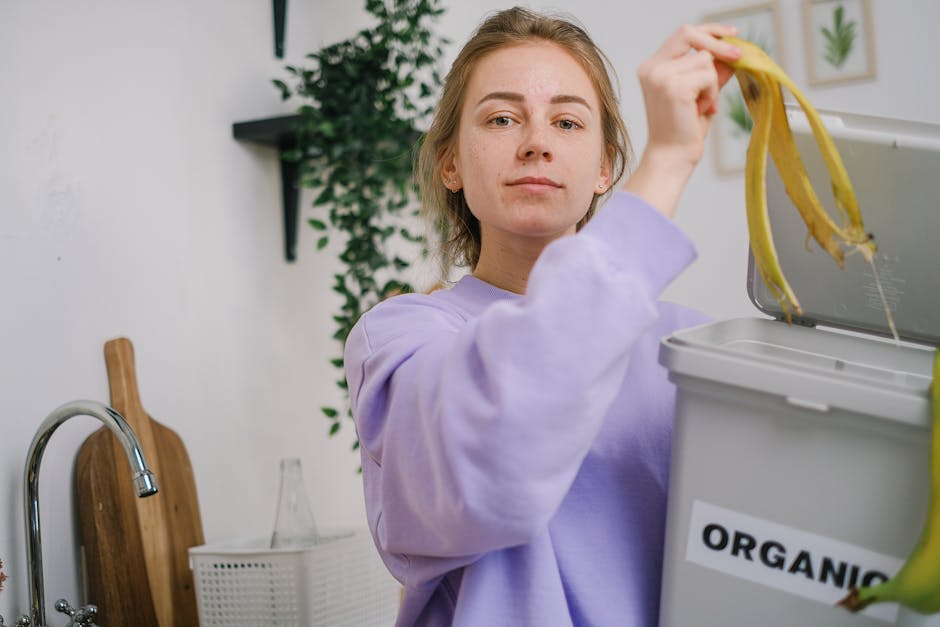
Home Composting: Transforming Organic Waste into High-Quality Soil Amendments
Boost soil quality and sustainability with home composting techniques, balancing C/N, aeration, and moisture for mature, nutrient-rich compost.

Urban Strawberry Production: Varieties, Substrates, and Water Management for Balconies
Enhance strawberry cultivation in small spaces with variety selection, suitable substrates, efficient irrigation, and balanced nutrition.

Orchidaceae: Diversity, Physiology, and Cultivation Principles for Latin America
Master Orchidaceae diversity, physiological needs, and cultivation practices adapted to Latin American climates.