Modern Floriography: Floral Symbolism, Design, and Sustainable Cultivation in the 21st Century
Exploring contemporary floriography: symbolism, purposeful arrangement design, and sustainable cultivation for meaningful gardens.

Floral Symbolism: Historical Origins and Cultural Context
Human communication transcends verbal language, manifesting through symbols and gestures that enrich our interactions. Within this universe of meanings, the language of flowers, known as floriography, has allowed for the expression of complex emotions and messages without uttering a single word. This practice, with deep historical roots, is experiencing a resurgence today, adapting to contemporary sensibilities and innovations in horticulture and design.
Floral Symbolism: Historical Roots and Cultural Context
The development of floriography was primarily consolidated in Victorian England, although its origins can be traced back to Eastern traditions, particularly in the Ottoman Empire. In societies where the direct expression of feelings was often restricted, flowers became a discreet and sophisticated medium for conveying affection, desire, rejection, or condolence. Each species, and often each color of a specific flower, acquired a particular meaning, creating a true floral dictionary. For instance, Rosa rubra symbolized passionate love, while Lilium candidum represented purity and innocence. Helianthus annuus, or the sunflower, was associated with adoration and longevity. This communication system fostered a deeper appreciation for botany and its role in social interaction, laying the groundwork for its current interpretation. For a more detailed exploration of species and their taxonomies, the Buenos Aires Botanical Garden offers valuable resources on local and introduced plant diversity.
Contemporary Floral Expression: Design, Botanical Innovation, and Well-being
Floral Expression in the 21st Century: Designs with Purpose and Botanical Novelties
Today, floriography is integrated into various applications, from event design to the creation of urban gardens with specific intentions. This trend aligns with global movements towards conscious consumption and emotional well-being. Floral designers and landscape architects employ the language of flowers to compose arrangements that are not only aesthetically pleasing but also communicate a particular message, whether for celebrations, tributes, or meditation spaces. A significant advancement is the introduction of new hybrid varieties and cultivars with expanded color palettes and distinctive forms. These innovations allow for greater subtlety in floral expression, offering horticulturists and designers tools to craft richer narratives. For example, Dianthus caryophyllus in unusual shades can evoke complex feelings that transcend the flower’s traditional symbolism. Furthermore, the integration of biophilic design principles in urban environments highlights the importance of plants not only for their aesthetic value but also for their ability to influence mood and non-verbal communication. Digital platforms and mobile applications facilitate access to these meanings, democratizing floriography and encouraging its adoption by a broader audience.
Selection and Cultivation Strategies: Composing Symbolic Gardens
Designing Symbolic Gardens: Strategic Selection and Cultivation Practices
Creating a garden or floral arrangement with a specific message requires careful selection of species and knowledge of cultivation conditions. For gardeners in Argentina and the region, flower choices should consider local phenology and the adaptability of taxa. For instance, for a message of lasting friendship, Chrysanthemum morifolium or Zinnia elegans can be selected, as they thrive in temperate and warm climates and offer prolonged blooming. In the design of symbolic gardens, it is recommended to prioritize native or well-adapted species, contributing to sustainability and reducing the need for external inputs. Implementing permaculture techniques in small spaces, such as crop association and the use of mulching, optimizes soil health and plant vitality. For a garden expressing gratitude, Campanula medium (canterbury bells) or Hydrangea macrophylla (hydrangea) can be suitable options, always evaluating their compatibility with the site’s microclimate. Planning seasonal blooming is crucial to ensure the message is conveyed at the desired time, requiring an understanding of each species’ life cycles. Infojardín provides an extensive database on specific cultivation requirements for various floral species, facilitating informed decision-making for horticulturists.
Future Perspectives: Emotional Connection and Sustainability
The resurgence of the language of flowers underscores an intrinsic human need for connection and authentic expression in an increasingly digitized world. Floriography offers a bridge to nature and to a more thoughtful and personal form of communication. As environmental sustainability awareness grows, selecting floral species with a focus on biodiversity and climate resilience becomes fundamental. Integrating native species and using regenerative agriculture practices in floral production not only benefits the ecosystem but also adds a layer of meaning to the messages conveyed. The future of floriography lies in its ability to evolve, incorporating new varieties and technologies, while maintaining its essence as a timeless and profoundly human means of expression. Interacting with flowers and understanding their meanings enriches our daily lives, fostering a deeper appreciation for the natural environment and the complexities of non-verbal communication.
Related Articles

Perennial-Snow Interaction: Protection, Water Supply, and Winter Challenges
Snow's insulating mechanisms, water contribution, and risks for perennials, plus management practices for resilience.

Ilex paraguariensis: Conditions and Practices for Successful Cultivation
Understand the essential climatic, soil conditions, and management techniques for the successful cultivation of yerba mate (*Ilex paraguariensis*).
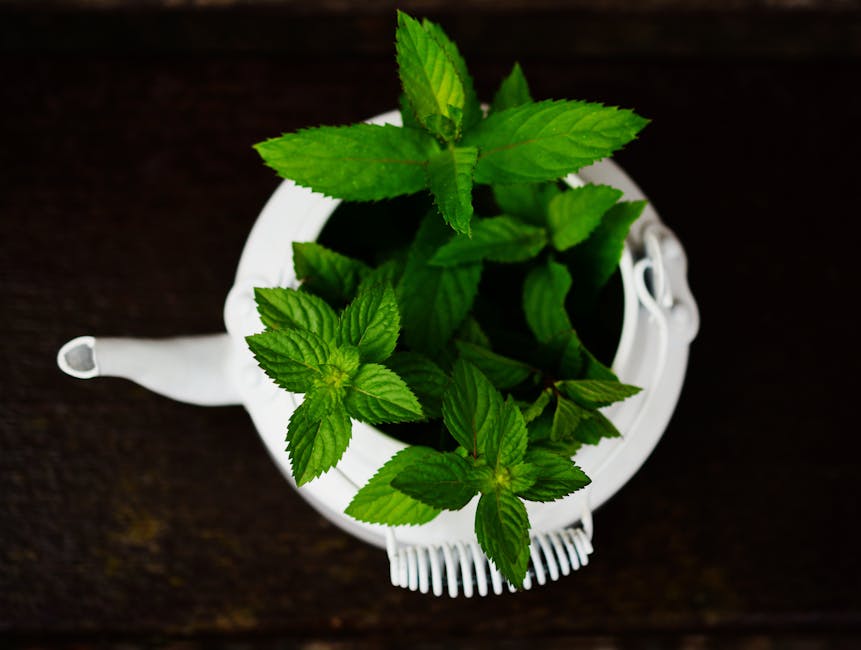
Elevate Your Cuisine: Cultivating a Thriving Home Herb Garden
Understand the joy of fresh flavors! Learn how to grow essential culinary herbs at home, from planting to harvesting, for vibrant dishes.

Floriography: The Symbolic Language of Flowers and Its Cultural Heritage
Understand the history and meaning of the language of flowers, an ancient communication system enduring in modern culture.