Family Garden: Biotechnology, Agroecology, and Pedagogy for Home Sustainability
Integrating biointensive design, ecological soil management, and technology to optimize family gardens as learning labs.

Biointensive Design and Species Selection for Family Gardens
The creation of a family garden transcends mere food production; it represents a dynamic learning space and a living laboratory for all ages. In a global context where environmental awareness and the pursuit of food autonomy are gaining ground, establishing a home garden stands as a pedagogical initiative of incalculable value. This project not only fosters a connection with nature but also instills principles of sustainability, patience, and responsibility—crucial elements for the integral development of individuals and communities.
Biointensive Design and Species Selection
The initial phase of any family garden involves meticulous planning of available space and appropriate species selection. Implementing biointensive design principles allows for maximizing production in small areas, a significant advantage in urban and suburban environments. This approach prioritizes soil health and planting density, optimizing resource use. Crop choices should consider local climate, family preferences, and crop rotation to prevent the depletion of specific nutrients. For instance, in regions like Argentina’s Humid Pampas, varieties of tomatoes, lettuce, and Swiss chard thrive with ease.
The integration of technological tools, such as garden planning apps or soil moisture sensors, offers a considerable advantage. These innovations allow for real-time monitoring of environmental conditions, facilitating informed decisions about irrigation and fertilization. The current trend towards small-scale precision agriculture democratizes access to methodologies previously exclusive to large operations, enabling home gardeners to optimize yields and reduce resource waste. Research at regional universities has highlighted the effectiveness of IoT (Internet of Things)-based monitoring systems for improving productivity in urban gardens, demonstrating an increase in water efficiency.
Ecological Soil Management and Optimization of Irrigation
Ecological Soil Management and Efficient Irrigation
The foundation of a productive and educational garden lies in ecological soil management. The practice of home composting transforms organic waste into a nutrient-rich amendment, closing cycles and reducing the carbon footprint. This process not only improves soil structure but also enriches its microbiome, essential for plant health. Implementing techniques like mulching with organic materials such as straw or pruning waste conserves soil moisture, suppresses weeds, and moderates temperature, directly benefiting plant growth.
Efficient irrigation systems, such as drip or micro-sprinkler systems, are crucial for water sustainability, especially in water-stressed regions. These methods deliver water directly to the root zone, minimizing evaporation and runoff. Agroecology research underscores the importance of biodiversity in the garden, promoting the planting of companion plants that repel pests or attract pollinators, reducing the need for chemical interventions. For example, associating marigolds with tomatoes can deter nematodes and other harmful insects. The trend towards regenerative agriculture, which seeks to restore and improve soil and ecosystem health, aligns perfectly with the objectives of an educational family garden, fostering system resilience.
The Garden as a Learning Laboratory
The family garden operates as a living laboratory, offering unparalleled opportunities for the development of cognitive and socio-emotional skills. Observing the plant life cycle, from seed to harvest, teaches about biology, ecology, and natural rhythms. Children and adults involved learn to identify pests, understand the importance of pollinators, and solve problems practically, such as managing diseases or optimizing growth. This experiential approach fosters critical thinking and analytical skills.
The Garden as a Learning Laboratory and Skills Development Hub
Furthermore, interaction with the garden reinforces values such as patience, responsibility, and teamwork. The daily care of plants, the anticipation of the harvest, and the satisfaction of consuming one’s own produce cultivate a deep connection with the natural environment. Citizen science projects, such as pollinator monitoring or collecting data on crop growth, allow families to contribute to real scientific research, reinforcing a sense of belonging and the importance of their role in environmental conservation. Garden pedagogy has been integrated into formal educational programs in various schools across Latin America, demonstrating its positive impact on students’ academic performance and emotional well-being.
Advances in Pest and Disease Management
Pest and disease management is a constant challenge in any cultivation system. However, recent advances in biocontrol and the availability of resistant plant varieties offer effective and sustainable solutions. The implementation of biological control, by introducing beneficial insects such as ladybugs to combat aphids, minimizes reliance on synthetic chemicals. This strategy aligns with agroecological principles, promoting a natural balance within the garden ecosystem.
Selecting seeds of varieties resistant to common diseases, the result of years of plant breeding research, is a fundamental preventive measure. These varieties, often developed to adapt to specific climatic conditions or to resist prevalent pathogens in certain regions, such as late blight in tomatoes, significantly reduce crop losses. Humidity and temperature sensors connected to early warning systems allow for the detection of conditions favorable for fungal disease development before they spread, facilitating preventive interventions. The global trend towards climate resilience drives research into varieties adapted to extreme events, ensuring food security and productivity of family gardens in the context of environmental change. For more information on plant care, InfoJardín offers an extensive knowledge base.
Advances in Integrated Pest and Plant Disease Management
The family garden is much more than a cultivation space; it is an investment in education, health, and sustainability. Through careful planning, the application of ecological cultivation techniques, and the integration of innovations, every household can transform a patch of land into an outdoor classroom. Direct experience with natural cycles and the production of one’s own food strengthens the bond with nature and empowers families with practical knowledge and a deep appreciation for the origin of their food. This educational project, constantly evolving with sector trends and advancements, offers a tangible path to fostering a more conscious citizenry connected to the environmental challenges of our time.
Related Articles

Companion Planting: Plant Synergy for a Productive and Resilient Garden
Learn how companion planting optimizes space, improves soil health, and naturally protects plants from pests.
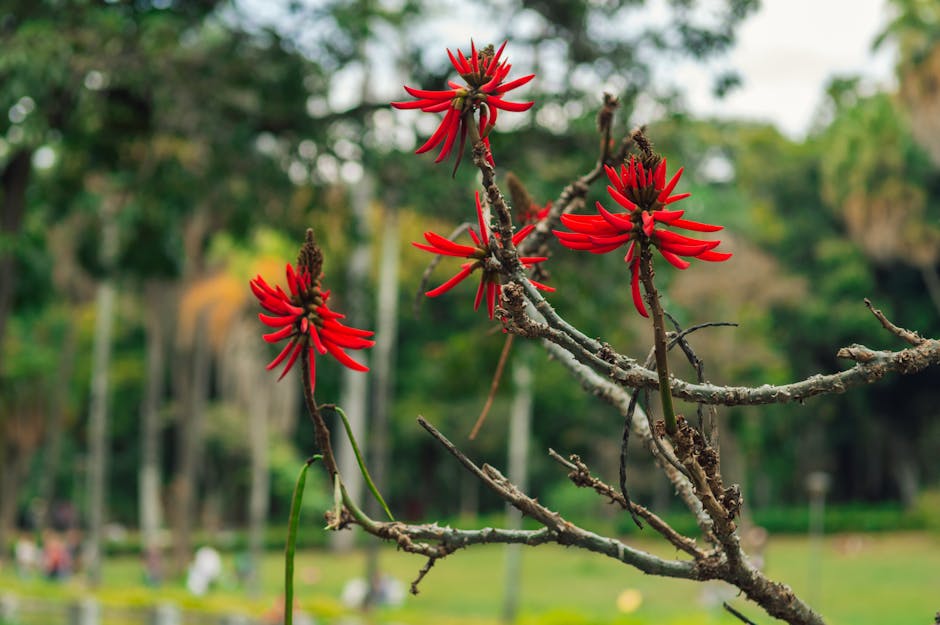
Erythrina crista-galli: Care, Propagation & Sustainable Management
Detailed analysis of climatic conditions, substrate, propagation methods, transplanting, and sustainable agronomic management of the Cockspur Coral Tree.

Sonication in Solanaceous Crops: Mechanisms, Impact, Horticulture
Explore floral vibration pollination in tomatoes and peppers, its impact on yield and quality, and strategies for pollinator enhancement.

Atacama Puna Gardening: Resilience & Sustainability Strategies
Addresses crop adaptation in the Puna through resilient species selection, water management, soil improvement, and innovative technologies.