Ilex paraguariensis: Agroecology, Propagation, and Sustainable Management of Yerba Mate Cultivation
Enhance yerba mate production with agroecological practices, advanced propagation techniques, and sustainable management for quality and resilience.

Optimal Agroecological Conditions for Ilex paraguariensis Cultivation
The Ilex paraguariensis, an emblem of Río de la Plata culture and much of South America, represents far more than an infusion; it is a socioeconomic and cultural pillar. Its cultivation, historically concentrated in the subtropical regions of Argentina, Brazil, and Paraguay, faces challenges and opportunities in the context of climate change and growing demand for sustainable agricultural practices. Managing this species requires a deep understanding of its physiological needs and the application of advanced agronomic techniques.
Agroecological Conditions for Yerba Mate Production
Successful establishment of a yerba mate plantation intrinsically depends on site selection and understanding its soil and climate characteristics. Ilex paraguariensis thrives in humid subtropical climates, with average annual temperatures between 18°C and 23°C and annual rainfall ranging from 1,200 to 2,000 mm, evenly distributed. High relative humidity is a critical factor for its foliage development.
Regarding soil, yerba mate prefers acidic substrates (pH between 5.0 and 6.5), deep, well-drained, and rich in organic matter. The characteristic red lateritic soils of Misiones and northeastern Corrientes offer these optimal conditions. A prior soil analysis is fundamental to determine its composition and adjust the necessary nutrients, especially in the context of regenerative agriculture, which aims to improve long-term soil health. Recent research by INTA (National Agricultural Technology Institute) explores the resilience of specific varieties to drought or waterlogging periods, seeking to adapt cultivation to regional climate variability. For more details, consult the official INTA website.
Propagation and Establishment of Yerba Mate Cultivation
Yerba mate propagation is primarily done by seed, although vegetative methods like cuttings and micropropagation are gaining ground due to their ability to ensure genetic uniformity and the selection of desirable traits.
Strategies for Propagation and Establishment of Yerba Mate Plantations
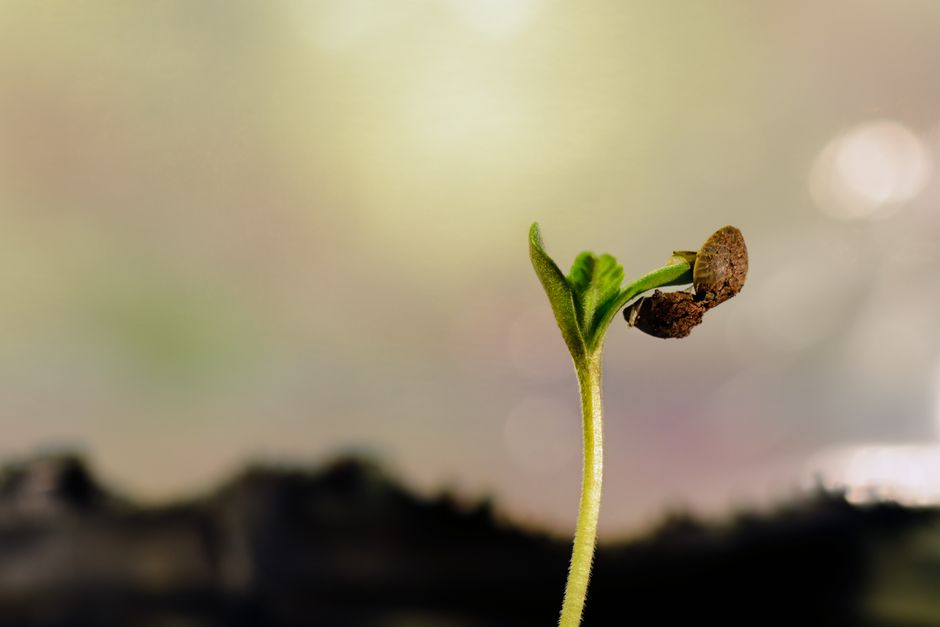
Seed propagation involves a stratification process to break seed dormancy, followed by sowing in nurseries with specific substrates rich in peat and sand, ensuring good drainage and aeration. Seedlings remain in the nursery for 12 to 18 months before being transplanted to the field.
Vegetative propagation, especially through semi-woody cuttings under controlled misting conditions, allows for the replication of individuals with superior characteristics such as higher yield, disease resistance, or better flavor profile. Micropropagation, an advanced tissue culture technique, offers a pathway for mass production of elite genetic material, vital for the expansion and renewal of highly productive yerba mate plantations. These innovations are essential for optimizing plantation quality and reducing establishment times.
Sustainable Agronomic Management in Yerba Mate Plantations
Efficient and sustainable agronomic management is crucial for the longevity and productivity of the yerba mate plantation. Pruning is a fundamental practice that directly influences plant yield and health. It includes formation pruning in the early years to establish a proper structure, annual production pruning to stimulate new leaf growth, and renovation pruning to revitalize aged plants.
Crop nutrition focuses on the balanced supply of macronutrients (N, P, K) and micronutrients, preferably through the use of organic amendments like compost and green manures. The implementation of cover crops between yerba mate rows, such as legumes, improves nitrogen fixation, suppresses weeds, and reduces soil erosion, contributing to agroecosystem biodiversity.
Agronomic Management and Sustainability in Yerba Mate Production
Integrated pest and disease management (IPM) is a priority strategy. Instead of relying solely on agrochemicals, early identification, the use of natural enemies, traps, and cultural practices that minimize environmental impact are promoted. Examples of common pests include the “taladrillo” (Hedypathes betulinus) and the “bicho bolita” (Pachylobius sp.), whose control is addressed with a holistic approach. Current research focuses on developing more resistant varieties and using bio-inputs. The Ruta de la Yerba Mate Association offers valuable resources on cultivation practices.
Harvesting and Primary Processing of Yerba Mate
Harvesting, traditionally known as “tarefa,” is a critical moment that determines the final product quality. It is carried out manually or with specific machinery, selecting branches with mature leaves. Harvest frequency varies, but it is generally done every 1-2 years, allowing the plant to recover and produce new shoots.
Immediately after harvest, the yerba mate branches undergo “sapecado,” a process of rapid exposure to high temperatures (direct fire or hot air) that halts enzymatic oxidation and fixes the green color of the leaves. This step is essential for preserving organoleptic properties.
Subsequently, “secado” (drying) is performed, where the sapecado leaves are exposed to indirect heat in hot air dryers. This process reduces moisture to 4-6%, allowing for preservation. “Canchado” is the coarse crushing of the dried leaves, resulting in “yerba canchada” (crushed yerba mate), which is then aged in storage for a period of 9 to 24 months to mature and develop its characteristic flavor.
Harvesting and Primary Transformation Processes of Yerba Mate
Technological advancements in processing include more energy-efficient dryers and automated systems that optimize temperature and humidity control, ensuring greater uniformity and quality of the final product. Digital traceability, from the plantation to the package, is an emerging trend that ensures product authenticity and sustainability.
Conclusion: Yerba mate cultivation is a complex agricultural activity that combines tradition with innovation. Implementing sustainable agronomic practices, selecting improved genetic materials, and optimizing harvesting and post-harvest processes are fundamental to ensuring the economic and environmental viability of this emblematic crop. Continuous research in climate adaptation, low-impact pest management, and efficient processing technologies positions yerba mate at the forefront of regional agriculture, guaranteeing the continuity of a tradition rooted in our cultural identity.
Related Articles

Ecological and Biotechnological Management of Leafcutter Ants in Horticulture
Investigating Atta/Acromyrmex ant biology, physical deterrents, repellent crop integration, and organic bait efficacy for integrated pest management.

Unlock Year-Round Harvests: Your Essential Guide to Building a DIY Backyard Greenhouse
Learn how to build your own functional and affordable backyard greenhouse to extend growing seasons and protect your plants from unpredictable weather.
Argentine Horticultural Calendar: Climate Adaptation and Sustainable Techniques for Success
Align your planting with Argentina's diverse climate. Select species, optimize irrigation, and improve soils for resilient production.

Sustainable Fungal Management in Gardens: Identification, Prevention, and Control
Practical strategies to identify, prevent, and control plant fungi, promoting healthy and resilient gardens.