Integrated Management of Phytopathogenic Fungi: Diagnosis, Strategies, and Predictive Technologies
Addresses plant mycosis control through diagnosis, cultural practices, biocontrol, and technological innovations for plant health.

Phytosanitary Diagnosis and Etiology of Plant Mycoses
The presence of fungi on plants represents one of the most recurring and complex phytosanitary challenges for gardeners and producers. These ubiquitous environmental microorganisms can cause anything from mild spots to total crop death if not managed properly. Implementing a preventive and integrated approach is fundamental to maintaining plant health, minimizing environmental impact, and promoting biodiversity in our green spaces. This article discusses the most effective methodologies and recent innovations for combating these conditions, from diagnosis to cutting-edge applications.
Phytosanitary Diagnosis and Etiology of Plant Mycoses
Correctly identifying the pathogen is the critical first step in managing fungal diseases. Various fungal species, such as Oidium (powdery mildew), Peronospora (downy mildew), or Botrytis cinerea (gray mold), exhibit specific symptoms that allow for differentiation. Powdery mildew manifests as a white powder on leaves and stems, while downy mildew appears as yellowish spots on the upper leaf surface and a whitish downy growth on the underside. Gray mold, on the other hand, causes soft rots and a grayish mold on flowers and fruits, especially in high humidity conditions.
Etiological factors that predispose plants to these infections include high ambient humidity, poor ventilation, overwatering, abrupt temperature fluctuations, and nutrient deficiencies. Selecting resistant cultivars, when available, is a high-impact preventive measure. Recent innovations include mobile applications that, through image analysis, assist in early disease diagnosis, allowing for timely and specific intervention. Platforms like https://www.infojardin.com/ offer visual resources for identifying common pathologies.
Cultural Strategies and Biocontrol in Fungal Management
Agronomic practices play an essential role in preventing and controlling fungi. Irrigation management is crucial: avoiding prolonged foliar wetting, especially at night, significantly reduces spore proliferation. Drip irrigation or soil-level irrigation are efficient alternatives. Selective pruning to improve air circulation within the plant canopy and the removal of surrounding weeds decrease humidity and overcrowding, creating a less favorable environment for fungal development.
Soil health is another fundamental pillar. Soil rich in organic matter and with diverse microbiology promotes more vigorous and resistant plants. Incorporating mature compost and using mulch not only nourishes the soil but can also introduce beneficial microorganisms. Biological control, through the application of agents such as Trichoderma harzianum or Bacillus subtilis, has proven highly effective. These microorganisms compete with pathogens for space and nutrients and even produce antifungal compounds. La Huertina de Toni, at https://www.lahuertinadetoni.es/, details various practical applications of these techniques.
Innovations in Organic Fungicides and Precision Applications
When cultural and biological measures are insufficient, the application of phytosanitary products becomes necessary. The current trend leans towards organic and low-environmental-impact solutions. Compounds such as Bordeaux mixture (a blend of copper sulfate and lime), wettable sulfur powder, neem oil, and potassium bicarbonate are effective options for controlling various fungi. These products act on contact or as protectants, creating a barrier on the plant surface.
Technological advancements allow for more precise and efficient application. Drip or electrostatic spraying systems minimize drift and optimize coverage, reducing the amount of product needed. In precision agriculture, the use of drones for early detection of infection foci and targeted fungicide application represents a significant innovation, though still under development for small-scale producers. Research by INTA Argentina on bioproducts and integrated crop management offers valuable perspectives for the region, accessible through their online publications.
Environmental Monitoring and Predictive Technology for Plant Health
Anticipation is a powerful weapon against fungal diseases. Constant monitoring of environmental conditions, such as temperature, relative humidity, and precipitation, allows for forecasting periods of highest risk for pathogen development. Increasingly accessible compact weather stations and soil moisture sensors provide real-time data that can be integrated with predictive models.
Environmental Monitoring and Predictive Technology for Plant Health
These models, often available through agricultural platforms or specialized applications, alert growers to infection windows, enabling preventive measures to be applied just before the fungus establishes itself. The integration of IoT (Internet of Things) technologies into irrigation and ventilation systems can automate responses, such as activating fans or interrupting irrigation, to mitigate conditions favorable to fungi. This proactive, data-driven approach is key to modern, resilient horticulture.
Managing fungi on plants requires a combination of detailed observation, knowledge of environmental conditions, and the strategic application of various tools. From selecting resistant varieties and implementing appropriate cultural practices, to using biocontrol agents and, when indispensable, applying low-impact fungicides, each action contributes to the overall health of the garden or orchard ecosystem. Adopting an integrated approach and staying abreast of technological innovations not only protects our plants but also promotes more sustainable and productive gardening, benefiting both growers and the environment.
Related Articles

Helianthus tuberosus: Cultivation, Morphology, Propagation & Agribusiness
Details edaphoclimatic requirements, propagation, and harvesting of Jerusalem artichoke, highlighting its nutritional value and versatility.

Trap and Decoy Plants: Biological Pest Control in Sustainable Horticulture
Using specific plants to attract beneficial insects and deter pests, enhancing biodiversity and resilience in gardens and crops.
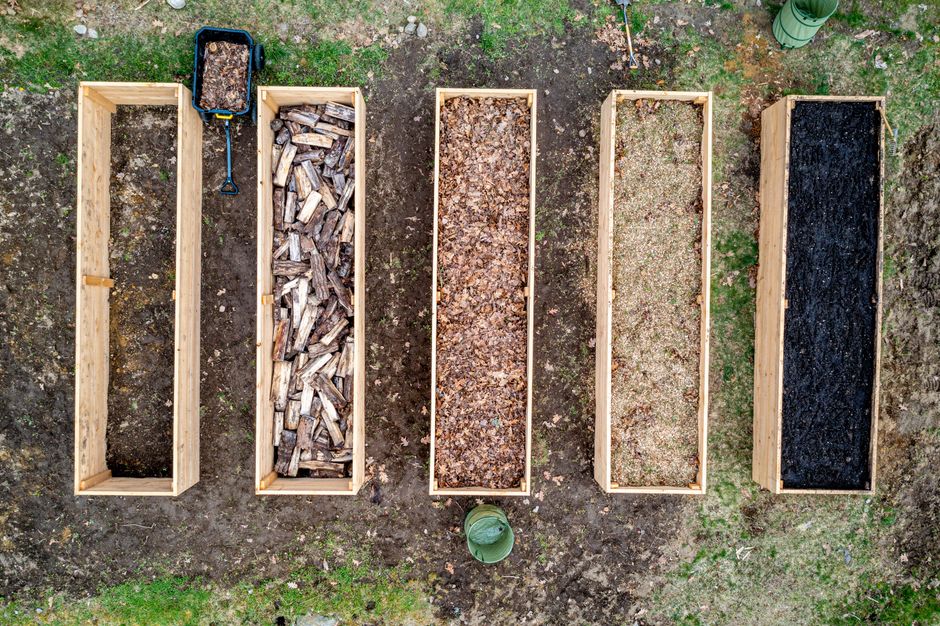
Optimizing Raised Beds for Spring Planting: Soil Evaluation and Morphology
Preparing raised beds with soil analysis, organic amendments, morphological design, and mulching for peak plant health and yield.

Diagnosis, Pedoclimatic Factors, and Boron Management in Lettuce
Identify boron deficiency symptoms in lettuce, analyze soil/climate factors, and detail management strategies for optimized harvests.