Squash Cultivation: Optimal Soil Preparation, Irrigation, and Phytosanitary Management Methods
Enhance squash cultivation with soil analysis, efficient drip irrigation, and integrated pest management strategies for abundant harvests.

Soil Analysis and Preparation for Cucurbits
The cultivation of squash, a versatile and nutritious cucurbit, is a rewarding practice for both amateur gardeners and large-scale producers. Its adaptability to various climatic conditions and the availability of diverse species allow for abundant harvests with the right techniques. This article explores optimal methodologies for establishing and managing squash, integrating traditional approaches with recent innovations for efficient and sustainable production.
Soil Analysis and Preparation for Cucurbits
The foundation for successful squash cultivation begins with well-structured and nutritionally balanced soil. A preliminary analysis is recommended to determine the pH and composition, ideally between 6.0 and 7.5. Squash thrives in deep, organic-rich soils that offer good drainage yet retain moisture. Incorporating mature compost or worm castings at a rate of 20-30% significantly improves soil structure, aeration, and nutrient retention capacity. For heavy soils, adding coarse sand can optimize drainage. Regarding planting, in regions with distinct seasons like Argentina’s Humid Pampas, it is done once the risk of frost has passed, typically in late spring (October-November), when soil temperatures exceed 15°C (59°F). Plant spacing is crucial; a distance of 1.5 to 2 meters between plants, or in rows, is advised to allow for optimal vine and fruit development.
Irrigation and Nutrition Strategies in Squash Cultivation
Squash plants require consistent moisture, especially during flowering and fruit development. However, excessive water can promote fungal diseases. A drip irrigation system is highly efficient, minimizing water waste and applying water directly to the root zone. During periods of drought or high temperatures, ensuring adequate water supply is essential. In terms of nutrition, in addition to initial soil enrichment, squash plants benefit from complementary fertilization. An application of fertilizer rich in potassium and phosphorus during the flowering and fruiting phase can boost yield and fruit quality. Implementing mulching techniques (covering the soil) with straw, dry leaves, or wood chips not only conserves soil moisture and suppresses weeds but also contributes to fertility as it decomposes, aligning with regenerative agriculture principles. This approach reduces the need for frequent watering and minimizes soil erosion. More information on the use of mulches can be found at Infojardín.
Phytosanitary Management and Pruning for Production Optimization
Constant vigilance is key in managing pests and diseases. Common pests include aphids, whiteflies, and mites, while powdery mildew and collar rot are recurring diseases. Crop rotation, encouraging beneficial insects (biological control), and using plant extracts or potassium soap are effective preventive and curative strategies in organic gardens. In cases of severe infestation, approved biopesticides for organic farming may be considered. Regarding pruning, although not strictly necessary for all squash varieties, it can be beneficial to concentrate the plant’s energy on fewer fruits, resulting in larger and higher-quality squash. Pruning secondary vines or thinning excessive fruits are common practices. Some vining varieties may benefit from trellising or staking to save space and improve aeration, especially in urban agriculture systems or permaculture in confined spaces.
Determining Harvest Time and Conservation Methods
Squash is harvested when the fruits have reached physiological maturity, indicated by several signs. The rind should be hard and resistant to fingernail pressure, and the color should be uniform and characteristic of the variety (e.g., a deep orange for acorn squash). The stem (peduncle) connecting the fruit to the plant should be dry and woody. It is crucial to harvest squash with part of its stem intact (approximately 5-10 cm), as this significantly improves its shelf life and reduces the risk of rot. Winter squash varieties, such as Butternut or Kabocha, have excellent storage capabilities. After harvesting, a curing process is recommended: expose the fruits to sunlight for a week or keep them in a warm, dry place (25-30°C or 77-86°F) for 10-14 days. This process hardens the rind and heals minor wounds, extending their shelf life. Subsequently, they should be stored in a cool, dark, and well-ventilated place (10-15°C or 50-59°F) for optimal conservation, which can extend for several months. For more details on storage, consult agricultural extension resources such as those from INTA.
Squash cultivation, by applying these techniques and incorporating sustainable practices, offers the possibility of obtaining abundant, high-quality harvests. From meticulous soil preparation to careful post-harvest handling, each stage contributes to the final success. Integrating innovations like resistant varieties and regenerative agriculture principles not only optimizes yield but also fosters a more resilient and productive garden ecosystem.
Related Articles
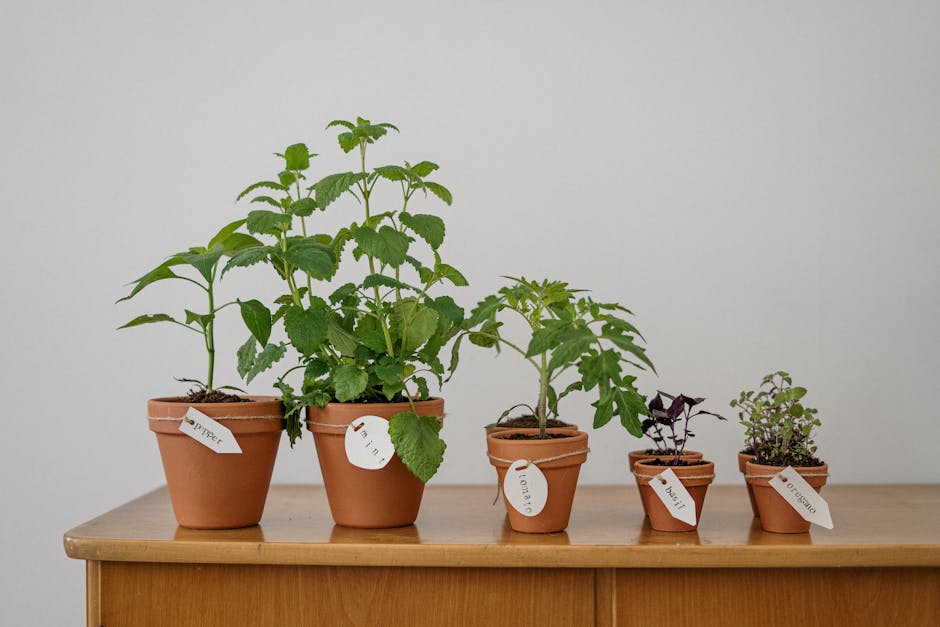
Home Tomato Cultivation: Variety Selection, Substrate, and Integrated Management
Enhance home tomato production with variety selection, substrate preparation, and irrigation, pruning, and plant health techniques.

Rain Gardens: Sustainable Water Management and Urban Biodiversity
Learn how rain gardens manage urban water, improve water quality, and foster biodiversity.

Master Homemade Compost: Turn Waste into Garden Gold and Boost Your Harvests!
Understand the secrets to creating nutrient-rich homemade compost from kitchen and garden waste, transforming your soil and boosting plant growth sustainably.

Unlock Your Garden's Potential: The Power of Native Flora
Learn how native plants transform your garden into a vibrant, resilient ecosystem, saving water and supporting local biodiversity.