Cultivating Pollinators: Strategies for a Biodiverse and Resilient Garden
Implement native flora, shelters, and water sources to attract beneficial fauna, strengthening your garden and the ecosystem.

Selecting Native Flora for Pollinator Biodiversity Optimization
The vitality of a garden is measured not only by its harvests but also by the effervescence of life it harbors. Pollinators, from bees and butterflies to beetles and hummingbirds, are essential architects of this ecosystem, ensuring the fruiting of most of our plants. In a global context where biodiversity is threatened, fostering their presence in our green spaces is a fundamental action for the health of our gardens and the planet. This article details effective methods to transform your garden into a vibrant sanctuary for these indispensable allies.
Native Floral Species: Optimizing Biodiversity
The choice of flora is the cornerstone for attracting pollinators. Native species, adapted to the local climate and soil, offer the most suitable nectar and pollen for indigenous fauna. Implementing a diversity of plants with different flowering times ensures a constant supply of food throughout the year. For example, in regions like Argentina’s Humid Pampa, Verbena bonariensis, Salvia guaranitica, or Field Marigold (Senecio madagascariensis) are excellent options that attract a wide range of insects.
A recent study published in “Ecología Austral” underscores the importance of urban biological corridors, where even small gardens can act as key nodes for insect population connectivity. In addition to the aforementioned, species such as Lantana montevidensis, the Ceibo (Erythrina crista-galli, Argentina’s national flower), or the Paraguay Jasmine (Brunfelsia pauciflora) offer attractive flowers and are sources of nectar and pollen. The key lies in planning: designing the garden to have staggered blooms from early spring to late autumn. This ensures that pollinators constantly find resources, supporting their life and reproduction cycles. Research in local agrobiodiversity has shown that greater floral diversity not only attracts more pollinators but also improves the resilience of the garden ecosystem against climatic fluctuations and pest outbreaks. Incorporating aromatic plants like lavender, rosemary, or oregano not only enriches the flavor of your meals but also serves as powerful magnets for bees and other hymenoptera. Considering species that bloom at different heights and with diverse floral shapes optimizes access for a wider variety of pollinators.
Habitat Design: Shelter Structures and Hydration Sources for Beneficial Fauna
Beyond food, pollinators need shelter and water. Providing these resources transforms your garden from a simple feeding spot into a complete habitat. Shallow water sources, with stones or marbles to serve as perches and prevent drowning, are crucial, especially during dry or hot periods. A simple dish of fresh water or a bird bath can make a significant difference. For solitary bees, which do not live in hives and are very efficient pollinators, grouped bamboo tubes or hollow stems in a wooden structure are ideal. ‘Butterfly puddles,’ which consist of shallow areas with moist sand and mineral salts, are also a valuable resource.
For shelter, implementing ‘insect hotels’ or creating ‘mulching’ zones with pruning debris or fallen logs offers nesting and hibernation sites for solitary bees, ladybugs, and lacewings. These elements, framed within permaculture principles, not only beautify the landscape but also provide essential microhabitats. Leaving a small section of the garden with slightly taller grass or undisturbed soil can also serve as a refuge for many beneficial insect species. Innovation in ecological garden design aims to create these multifunctional spaces that mimic the complexity of natural ecosystems. Integrating these elements into your garden’s landscape design, following biophilic design principles, not only serves a vital ecological function but also contributes to a natural and harmonious aesthetic. These small acts of bio-intelligent design strengthen the interconnection between flora and fauna, creating a more robust and self-sufficient habitat.
Integrated Pest Management: Pollinator Preservation
Integrated Pest Management Strategies for Pollinator Population Preservation
Pest management is a critical aspect that directly impacts pollinators. The use of synthetic agrochemicals, even those labeled ‘organic,’ can be devastating to beneficial fauna. The most effective strategy is to adopt an integrated pest management (IPM) approach, which prioritizes preventive and biological methods.
This includes:
- Crop rotation: Prevents the accumulation of soil-borne pathogens and pests.
- Companion planting: Certain plant combinations can repel pests or attract their natural predators. Marigolds and Tagetes are known for their ability to deter nematodes and other insects.
- Introduction of beneficial insects: In cases of severe infestation, the controlled release of natural predators like ladybugs or lacewings can be a solution.
- Homemade remedies and biopesticides: Garlic infusions, neem oil, or potassium soap are less aggressive alternatives.
- Constant monitoring: Regular observation of your plants allows for early problem identification and localized application of solutions, minimizing overall impact.
Constant monitoring of your plants, observing signs of pests or diseases, is fundamental. Simple tools like gardening magnifiers or even pest identification mobile apps can aid in early detection. Instead of widespread spraying, opt for manual removal of larger pests or localized application of solutions like neem oil, which acts as a repellent and contact insecticide with low impact on beneficial fauna. Advances in regenerative agriculture emphasize soil health and biodiversity as pillars for crop resilience, reducing reliance on external inputs. The current trend in urban horticulture encourages the complete elimination of pesticides, favoring a natural ecological balance. The ‘zero tolerance’ philosophy towards pests is being replaced by a more holistic approach that seeks natural equilibrium, where the presence of some undesirable insects is accepted if the beneficial ones are doing their job.
Transforming your garden into a pollinator oasis is a long-term investment that yields abundant harvests and a more resilient ecosystem. By selecting native plants, offering shelter and water, and adopting ecological management practices, you are not only cultivating food but also actively contributing to biodiversity conservation. Every small action in your garden has a multiplying effect, strengthening the web of life that sustains us and beautifying our surroundings. A garden full of life is a testament to the harmony between nature and human activity.
Related Articles

Optimizing Crop Rotation in Urban Gardens for Sustainability and Productivity
Crop rotation in urban gardens enhances soil fertility, prevents pests and diseases, and optimizes limited resource use.

Pond Design and Construction: Biodiversity and Balance for Your Garden
A detailed guide to creating a garden pond, from planning and construction to selecting plants and wildlife, ensuring a balanced ecosystem.

Permaculture for Home Gardens: Design, Soil, Water, and Pest Management
Optimize your garden with ecosystem design, regenerative soil management, water efficiency, and biological pest control. Foster sustainability.
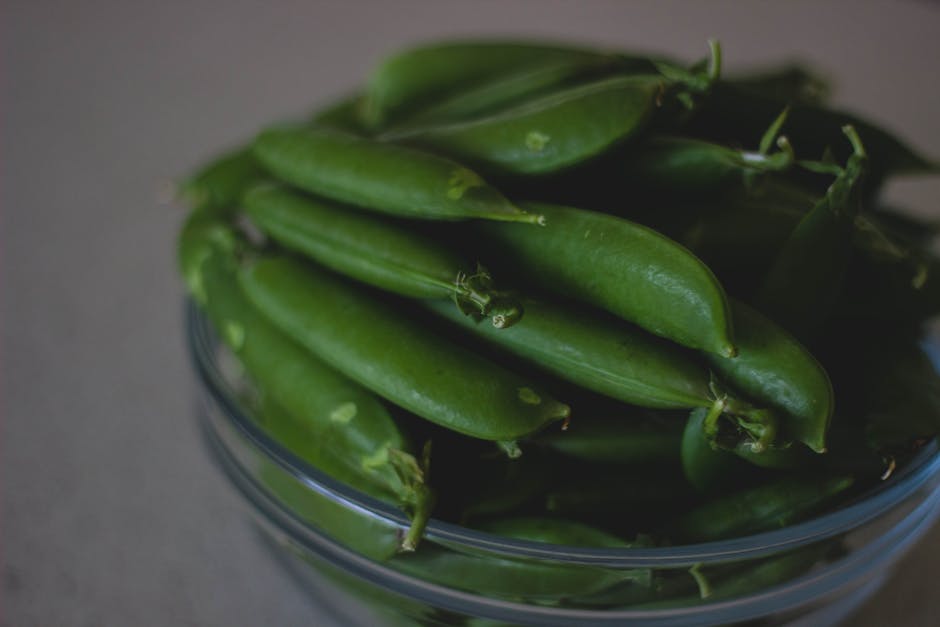
Legumes in the Home Garden: Sustainable Cultivation and Nutritional Benefits
Learn to grow legumes like beans, peas, and lentils to enhance your diet and garden soil fertility.