Sustainable Summer Lawn Management: Watering, Nutrition, and Climate Adaptation
Strategies for maintaining vibrant summer lawns: water optimization, slow-release fertilization, and resilient species selection.

Optimizing Watering: Hydration Strategies for Summer Lawns
Lawn management during the summer period presents a crucial challenge for preserving its vitality and aesthetics, especially in regions with intense summers. High temperatures, elevated solar radiation, and potential water scarcity impose stressful conditions that require specific care strategies. Adequate planning and the implementation of sustainable techniques are fundamental to maintaining a dense and healthy green carpet. This approach not only optimizes resources but also contributes to the resilience of the garden ecosystem in the face of climate change.
Optimizing Watering in Summer Periods
Water management is the central pillar of summer lawn care. Water application should be deep and less frequent, encouraging deep root development and increasing drought resistance. It is recommended to water early in the morning to minimize evaporation and allow the foliage to dry before nightfall, thus reducing the incidence of fungal diseases. The amount of water needed varies depending with the type of turf, soil characteristics, and climatic conditions, but a general guideline is to provide between 25 and 30 mm weekly, distributed over two or three sessions.
The integration of smart irrigation technologies constitutes a significant advancement. Automated systems equipped with soil moisture sensors and weather forecasts precisely adjust irrigation cycles, preventing over- or under-watering. These devices, increasingly accessible, allow for efficient resource management, aligning with sustainable gardening practices and water conservation, a critical aspect in the context of current climate variability. Learn more about water management in your garden at https://www.infojardin.com/articulos/riego.htm.
Lawn Nutritional Management: Slow-Release Fertilizers
Adequate nutrition strengthens the lawn, improving its ability to withstand thermal stress and pressure from pests and diseases. During summer, slow-release fertilizers are preferable. These products gradually supply nutrients over several weeks, avoiding growth spurts that would demand more water and energy, and reducing the risk of foliage scorching from over-fertilization. Applying a balanced fertilizer, with an NPK (Nitrogen, Phosphorus, Potassium) ratio suitable for summer, such as a 3-1-2 or similar, promotes consistent growth and uniform color.
An innovative approach to lawn nutrition involves the incorporation of beneficial microorganisms. Bio-stimulants and organic amendments enrich the soil microbiota, improving nutrient availability and soil structure, which in turn optimizes water absorption and strengthens the plant’s natural defenses. This practice aligns with the principles of regenerative agriculture, aiming not only to feed the plant but to revitalize the soil ecosystem.
Mowing Techniques for Moisture Conservation
The mowing height of the lawn has a direct impact on its health and heat resistance. During summer, it is imperative to raise the mowing height. Taller grass provides more shade to the soil, which reduces evaporation and helps maintain a cooler temperature in the root zone. Furthermore, it allows for a larger leaf surface area for photosynthesis, strengthening the plant. A recommended mowing height ranges between 7 and 10 centimeters, depending on the turf species.
The practice of mulching or grasscycling, which involves leaving grass clippings on the ground, is highly beneficial. These clippings act as natural fertilizer, releasing nutrients and adding organic matter to the soil, improving its structure and moisture-retention capacity. This technique also reduces the need for synthetic fertilizers and minimizes waste generation. For effective control of summer weeds, manual removal or the use of specific selective herbicides is recommended, always prioritizing methods that minimize environmental impact.
Climate Adaptation Strategies and Biodiversity Promotion
The selection of resilient turfgrass species is a proactive strategy against changing climatic patterns. Varieties such as Festuca arundinacea (Tall Fescue) or Cynodon dactylon (Bermuda Grass) are known for their greater tolerance to drought and heat compared to other species. Research in agricultural biotechnology continues to develop new varieties with improved resistance characteristics to water and thermal stress, offering more sustainable options for maintaining green spaces.
Furthermore, the integration of biodiversity elements in urban gardens contributes to the overall health of the lawn. Creating small areas with native plants or wildflowers attracts pollinators and other beneficial organisms, establishing an ecological balance that can help control pests naturally and improve the resilience of the environment. This approach, inspired by permaculture, not only beautifies the space but makes it a more robust and self-sufficient micro-habitat. To learn more about the relevance of soil in sustainable agriculture, you can visit https://inta.gob.ar/noticias/el-suelo-la-clave-para-una-agricultura-sustentable.
The implementation of these summer care practices not only ensures the survival of the lawn but promotes its optimal development and recovery capacity. Adopting a proactive and sustainability-based approach guarantees lush and resilient turf, even under the most demanding summer conditions. Conscious management is the key to a vibrant garden in harmony with its environment.
Related Articles

Morphology, Propagation, and Health of Citrus Flowers and Paraguayan Jasmine
Details floral characteristics, climate requirements, propagation methods, phytosanitary management, and ecological roles of citrus and Paraguayan jasmine.

Vermicomposting: Biology, Design, Harvesting, and Application of Worm Castings
Vermicomposting: A deep dive into the biological processes, system engineering, harvesting techniques, and the agronomic value of earthworm castings.

Misiones Rainforest Gardening: Edaphoclimatic Adaptation and Sustainable Cultivation Strategies
Investigates edaphoclimatic factors, native species selection, fertility management, and permaculture techniques for resilient rainforest gardens.
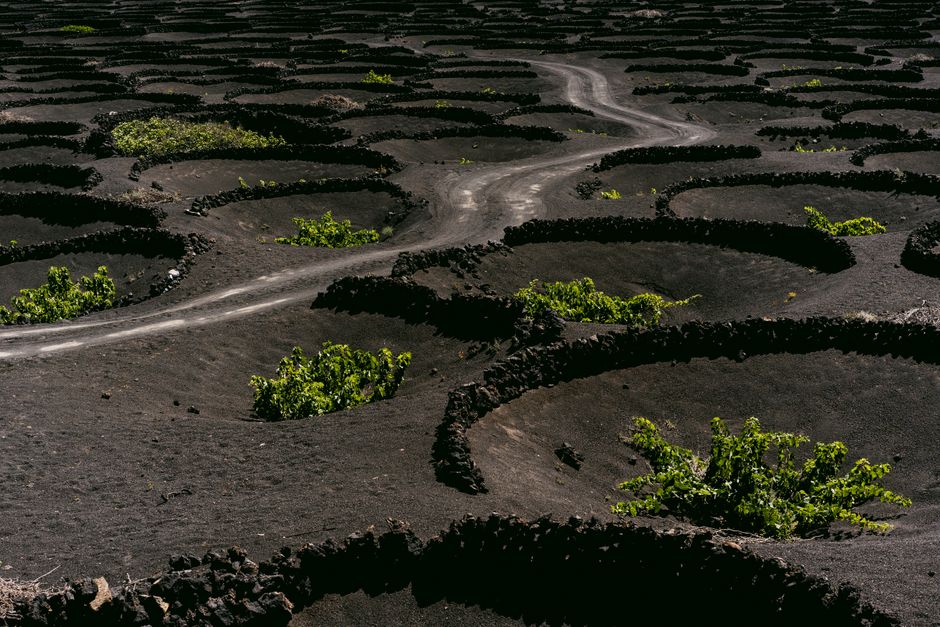
Sustainable Horticulture in Volcanic Ecosystems: Challenges and Solutions in the Galápagos
Managing invasive flora, optimizing water use, and employing regenerative techniques are key to resilient gardening in this fragile archipelago.