Comprehensive Fruit Tree Management: Soil, Irrigation, Pruning, and Sustainability
Enhance fruit production with soil analysis, efficient irrigation, strategic pruning, and integrated pest control for resilient orchards.
Understanding Soil Physiology and Root Nutrition
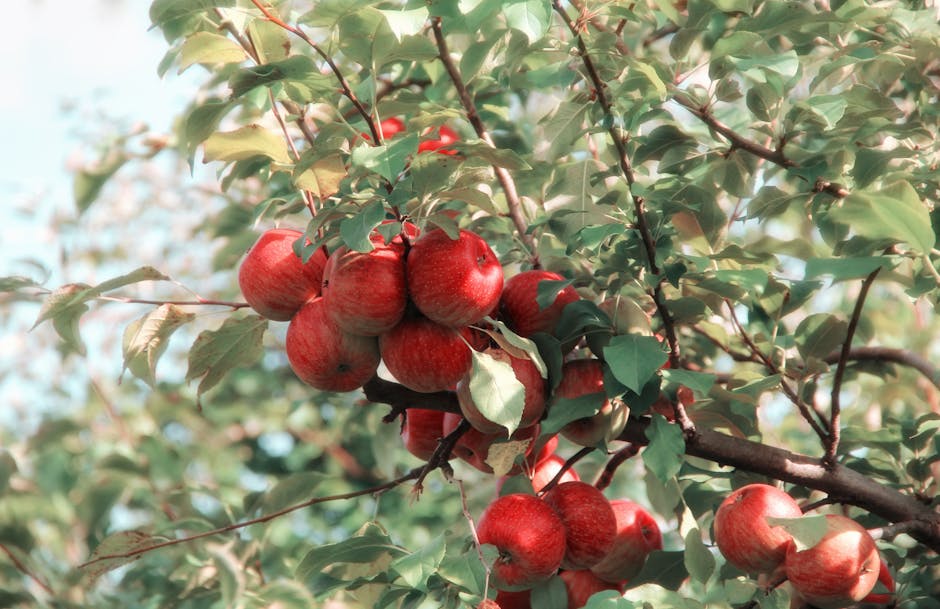
Successful fruit tree production hinges on a deep understanding of their biological needs and the implementation of appropriate cultural practices. From initial species selection to harvest, every stage directly influences tree vitality and fruit quality. Caring for these trees not only enhances productivity but also contributes to the resilience of the garden or orchard ecosystem, a crucial aspect in today’s climate variability. Comprehensive fruit tree management involves a series of coordinated actions aimed at optimizing development and protecting them from adverse factors, thereby ensuring sustainable and abundant production for home growers or small-scale farmers.
Soil Physiology and Root Nutrition Analysis
The foundation for a vigorous fruit tree lies in soil quality. Initial substrate evaluation is fundamental, determining pH, composition, and availability of essential nutrients. Optimal pH varies by species, but generally ranges between 6.0 and 7.0 for most fruit trees. Soil structure should promote drainage and aeration, critical elements for root development and disease prevention. Incorporating organic matter, such as compost or worm castings, improves fertility, water retention capacity, and microbial activity. Recent research highlights the importance of mycorrhizae, symbiotic fungi that enhance root capacity for absorbing nutrients and water. Applying biofertilizers that promote these associations is a growing trend in sustainable fruit cultivation. A study published by INTA (National Institute of Agricultural Technology) in Argentina underscores how soil management with regenerative agriculture techniques, like no-till farming and cover cropping, can significantly increase microbial biomass and the resilience of fruit orchards against extreme weather events. For a detailed soil analysis and specific recommendations, consult resources such as Infoagro’s soil analysis guide: https://www.infoagro.com/documentos/el_analisis_de_suelo__interpretacion_y_aplicaciones_.asp.
Efficient Irrigation Strategies and Water Management
Water is a vital resource for fruit trees, especially during flowering and fruit development stages. Implementing efficient irrigation systems is indispensable for optimizing water use and minimizing waste. Drip irrigation or micro-sprinklers are techniques that deliver water directly to the root zone, reducing evaporation and weed growth. Irrigation scheduling should be based on the specific needs of the species, local climate, and the tree’s phenological phase. Installing soil moisture sensors allows for precise monitoring of water levels and irrigation adjustments, preventing both water stress and waterlogging, which can lead to root asphyxiation. Applying mulch around the base of the tree with organic materials like wood chips, straw, or compost helps conserve soil moisture, suppress weeds, and moderate root zone temperature. In water-scarce regions, selecting drought-tolerant varieties and rootstocks, as well as rainwater harvesting, are cutting-edge practices promoting sustainability. Irrigation efficiency is a cornerstone of modern agriculture, as detailed in studies on water management in fruit trees: https://www.agrored.org.ar/sites/default/files/documentos/publicaciones/2018-05/manejo_del_agua_en_frutales.pdf.
Structural Pruning and Integrated Pest Control
Pruning is an essential cultural practice that influences tree shape, productivity, and overall health. Several types of pruning are distinguished: formative pruning, done in the early years to establish the desired structure (e.g., open vase, central leader); fruiting pruning, which regulates the number of buds and branches to optimize production and fruit size; and sanitation pruning, which removes dry, diseased, or damaged branches. The timing of pruning varies by species and objective, but it is generally done in winter for deciduous trees and after harvest for evergreens. Proper pruning management improves light and air penetration into the canopy, reducing the incidence of fungal diseases. Integrated Pest Management (IPM) is a holistic approach that combines biological, cultural, and chemical methods to keep pest populations below economically damaging thresholds, minimizing environmental impact. This includes regular monitoring, using natural enemies (beneficial insects), pheromone traps, and selecting varieties resistant to common pests and diseases. Crop rotation under fruit trees and promoting biodiversity in the environment are key strategies. Implementing sensor-based monitoring systems and mobile applications for early pest detection represents a significant innovation in IPM. To delve deeper into pruning techniques, consult Picarona’s fruit tree pruning manual: https://picarona.es/blog/poda-arboles-frutales-cuando-y-como-podar/.
Harvest and the Future of Sustainable Fruit Farming
Determining the optimal harvest time is crucial for ensuring fruit quality, flavor, and storage capacity. Indicators such as color, firmness, size, and Brix level (sugar content) guide this decision. It is essential to handle fruit carefully to avoid damage that compromises its shelf life. Innovations in fruit farming extend beyond the field. The development of new fruit varieties exhibiting greater resistance to diseases and adverse climatic conditions is an active area of research. Urban and peri-urban agriculture integrates fruit trees into limited spaces, using techniques like hydroponics or aeroponics to optimize resource use. Permaculture and agroforestry, systems that mimic natural patterns to integrate trees, crops, and animals, offer highly sustainable and resilient production models, generating long-term ecological and economic benefits. These approaches represent the future, where technology and ecological principles merge to ensure food security and environmental protection. The connection between soil health, water efficiency, integrated pest management, and the selection of resilient varieties is fundamental to the long-term success of any fruit-growing project. Adopting these practices not only ensures an abundant harvest but also contributes to building more robust and sustainable food systems for future generations.
Related Articles

Integrated Whitefly Management in Lettuce Crops: Sustainable Strategies
Explore preventive methods, biological control, and monitoring for managing *Trialeurodes vaporariorum* and *Bemisia tabaci* in lettuce.

Dianthus Cultivation: Substrate, Propagation, Nutrition & Phytosanitary Care
Techniques for substrate, cutting propagation, efficient irrigation, and integrated pest control to maximize carnation bloom and vigor.

Sclerotinia in Lettuce: Biology, Prevention & Control
Cultural, biological, and chemical strategies to mitigate Sclerotinia in lettuce, optimizing horticultural production in Latin America.

Crop Rotation and Integrated Management for Potato Late Blight Control
Crop rotation strategies, variety selection, seed health, and technologies to mitigate Phytophthora infestans in Solanum tuberosum.