Continuous Lettuce Cultivation: Genetic Selection and Seasonal Environmental Optimization
Staggered planting techniques, substrates, and climate control for consistent year-round lettuce production.
Selecting Lactuca sativa Genotypes for Continuous Cultivation and Climate Resilience
The ability to enjoy fresh, crisp, home-grown lettuce year-round is an achievable goal for any gardener, regardless of experience. This article delves into the strategies and techniques needed to maintain consistent production, adapting to seasonal variations and leveraging innovations in the agricultural sector.
Choosing Lactuca sativa Genotypes for Continuous Cultivation
Selecting the right varieties is fundamental to the success of year-round lettuce cultivation. Specific Lactuca sativa genotypes exhibit greater tolerance to extreme temperature conditions. For warmer months, loose-leaf or ‘Romaine’ types that show a lower tendency for premature bolting are prioritized. Examples include ‘Lollo Rossa’ or ‘Grand Rapids’. During colder seasons, butterhead or ‘Batavia’ lettuces often thrive, better withstanding low temperatures and light frosts. Recent studies in plant agronomy have identified new hybrid varieties with improved climate resilience, allowing for greater planting flexibility. Research in genetic improvement continues to develop cultivars adapted to fluctuating climates, a direct response to the challenges of global climate change, offering more robust options for urban farmers. Detailed information on these varieties can be found in specialized catalogs or on platforms like Infojardin.
Optimizing the Growing Environment: Substrate, Irrigation, and Climate Control for Sustained Production
Precise management of the growing environment is critical to ensure lettuce viability across different seasons. A substrate rich in organic matter and with excellent drainage is indispensable. Incorporating mature compost or worm castings enriches the soil, providing essential nutrients and improving its structure. This approach aligns with the principles of regenerative agriculture, which aims to strengthen long-term soil health. Regarding irrigation, lettuce requires constant moisture but without waterlogging. Implementing drip irrigation systems or using soil moisture sensors minimizes water waste and ensures optimal hydration. These technological advancements are key to efficient water management, a growing concern in modern agriculture.
To counteract thermal fluctuations, the use of micro-tunnels or small greenhouses can protect plants from extreme cold in winter, while shade cloths are effective in reducing heat stress in summer. Urban agriculture, in particular, has seen a surge in low-cost, high-efficiency solutions for crop protection on balconies and terraces. Adequate ventilation within these systems is crucial to prevent moisture buildup and the proliferation of fungal pathogens. Integrating these techniques allows for the creation of controlled microclimates, significantly extending the growing season.
Staggered Planting Strategies and Sustained Harvesting for Constant Supply
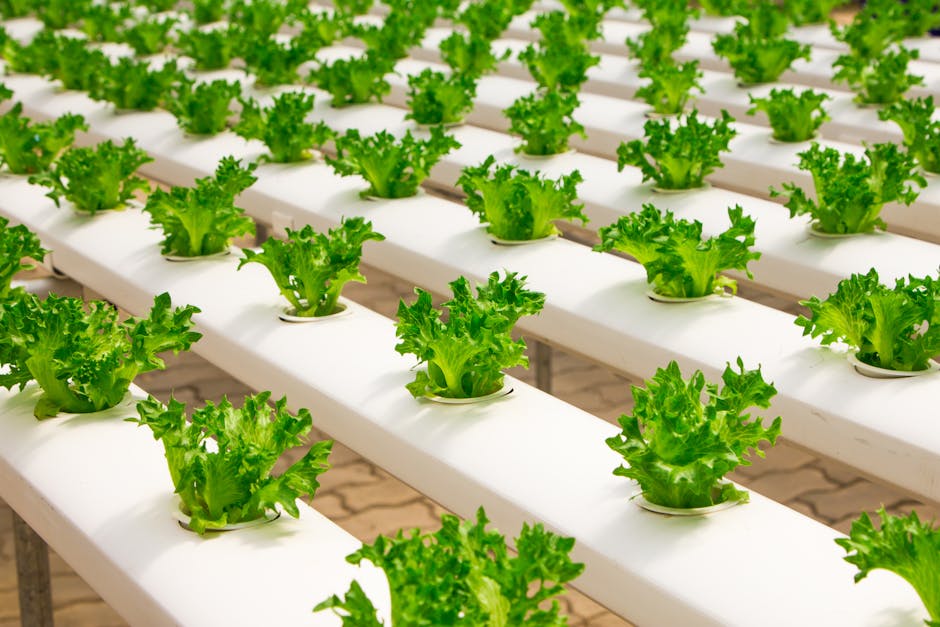
Staggered planting is the cornerstone of continuous lettuce production. It involves sowing small quantities of seeds or seedlings every 10 to 15 days, ensuring that plants are always in different growth stages. This technique avoids harvest saturation and guarantees a steady supply. For sowing, seedbeds or direct sowing can be used, depending on the variety and climatic conditions. Once established, harvesting by leaf, rather than uprooting the entire plant, extends the lifespan of each individual, allowing for multiple pickings. This practice promotes leaf regeneration and maximizes yield per plant. Innovations in soilless cultivation systems, such as hydroponics and aquaponics, also offer advanced solutions for uninterrupted lettuce production in controlled urban environments, optimizing the use of space and resources. Platforms like La Huertina de Toni offer detailed tutorials on these techniques.
Integrated Pest and Disease Management in Perennial Lettuce Crops
Maintaining plant health is fundamental to ensuring successful harvests throughout the year. An integrated pest management (IPM) program focuses on prevention and biological control, reducing reliance on chemical products. Crop rotation, promoting beneficial insects through companion planting, and garden hygiene are essential practices. Regular monitoring of plants allows for early detection of infestations by aphids (Aphididae), slugs (Gastropoda), or snails, as well as the identification of fungal diseases like downy mildew (Peronospora parasitica). Biodiversity in the garden contributes to a more balanced and resilient ecosystem. In case of outbreaks, organic solutions such as potassium soap or neem extracts can be employed. Current research emphasizes the importance of agricultural ecosystem resilience against emerging pathogens, adapting to changing environmental conditions.
Cultivating lettuce for twelve months a year is a rewarding project that combines agronomic science with a passion for horticulture. Through proper variety selection, optimization of the growing environment, application of staggered planting techniques, and integrated pest management, it is possible to enjoy a constant source of fresh green leaves. Adopting innovations and a sustainable approach not only maximizes production but also contributes to the resilience of our food systems in the context of climate change and increasing urbanization. The key lies in constant observation, adaptation, and leveraging available knowledge to create a productive and sustainable garden.
Related Articles

Home Greenhouses: Structure, Environmental Control, and Sustainable Cultivation
Implementing home greenhouses: material selection, assembly techniques, and microclimate control for optimized agricultural production.

Corn in Argentina: Agronomic, Climatic, and Management Factors for Optimal Production
Scientific analysis of soil, climate, planting, and management requirements for corn cultivation in Argentina.

Pleurotus ostreatus: Mycology, Substrate Colonization, and Fruiting Body Induction in Domestic Settings
Understand the scientific principles and practical techniques for successful oyster mushroom cultivation in a home environment.

Optimizing Lychee (Litchi chinensis Sonn.) Cultivation in Latin American Subtropics
Details edaphoclimatic requirements, varietal selection, nutritional management, irrigation, pruning, and health for quality lychee production.