Drip Irrigation: Principles, Practice, and Productivity Optimization
Implementing drip irrigation systems for maximum water efficiency, nutrient optimization, and improved plant health in horticultural crops.
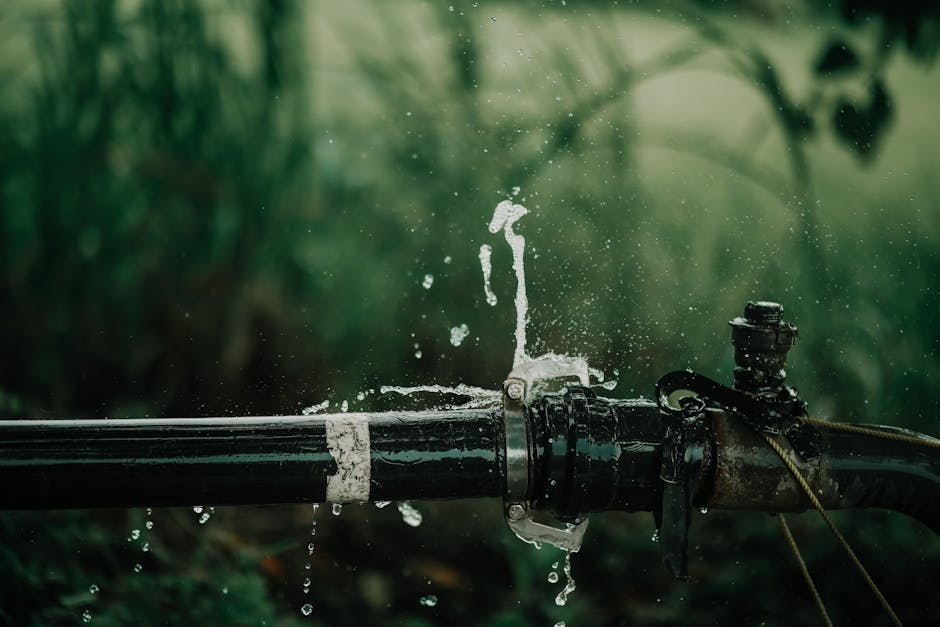
Principles of Operation and Benefits of Drip Irrigation
Efficient water management is a central challenge for horticulture in the current context of climate variability and increasing resource demand. Drip irrigation emerges as a robust technological solution, capable of optimizing water use and boosting crop productivity, both in urban gardens and larger-scale operations. This system, characterized by its precision in delivering water and nutrients directly to the root zone, offers a path towards more sustainable and resilient agriculture. Its implementation contributes significantly to water conservation, a critical aspect in regions where freshwater availability is a finite resource requiring intelligent management.
Drip irrigation, or micro-irrigation, is based on the slow, localized application of water at low pressure, which minimizes surface evaporation and runoff. This methodology ensures that water reaches the plant roots directly, where it is most needed, optimizing absorption and reducing waste. A recent FAO study highlights that drip irrigation systems can achieve water efficiencies exceeding 90%, compared to the 50-70% of traditional irrigation methods. This efficiency not only translates into considerable water savings but also a series of agronomic advantages:
- Improved Water Efficiency: Precise delivery reduces water loss from evaporation and deep percolation, conserving this vital resource. This approach is crucial for mitigating the effects of drought and water scarcity, problems increasingly frequent in many regions.
- Nutrient Optimization (Fertigation): Allows for the controlled application of fertilizers dissolved in irrigation water, known as fertigation. This ensures nutrients are available in the root zone at the opportune moment, improving assimilation and reducing the amount of fertilizer required, which in turn decreases soil and water contamination. Innovations in this field include smart injectors that adjust the mixture according to needs detected by soil sensors.
- Reduced Fungal Diseases: By keeping plant foliage dry, it minimizes the proliferation of fungal and bacterial pathogens that thrive in humid environments, improving plant health and reducing the need for fungicides.
- Weed Control: Localized water application restricts weed growth in un-irrigated areas, reducing competition for nutrients and water, and decreasing the workload associated with manual or chemical weeding.
- Energy and Labor Savings: Low-pressure systems require less energy to operate. Furthermore, irrigation automation reduces the need for constant supervision and manual labor.
Components and Design of a Drip Irrigation System
The integration of these advantages positions drip irrigation as a fundamental technique for regenerative agriculture and permaculture, promoting the resilience of agricultural ecosystems.
The configuration of a drip irrigation system involves the selection and proper arrangement of several key elements for its correct functioning and durability. The current trend towards automation and smart monitoring is transforming these systems, making them more efficient and adaptable. Essential components include:
- Water Source and Connection: This can be the municipal water supply, a storage tank, or a pump from a well. The connection must be secure and allow for constant flow.
- Filtration: A filter is indispensable to prevent drippers from clogging due to sand particles, sediment, or algae. Mesh or disc filters are the most common. Recent innovations include self-cleaning filters and pre-filtration systems that extend the system’s lifespan.
- Pressure Regulator: If the water source pressure is excessive, a regulator reduces it to optimal levels (generally between 1 and 2 bar) for the operation of drippers and tubing, preventing damage and ensuring uniform distribution.
- Mainline Tubing (Header Line): A larger diameter pipe that transports water from the source to the cultivation areas. Typically made of PVC or high-density polyethylene.
- Secondary or Lateral Tubing: Smaller diameter pipes, usually polyethylene, that run along the crop rows. Drippers are inserted into these, or drip tape is used.
- Drippers and Drip Tape: Drippers are devices that release water drop by drop. There are pressure-compensating drippers (maintain a uniform flow rate despite pressure variations), adjustable drippers, and fixed-flow drippers. Drip tape, more economical, is ideal for row crops and has integrated drippers at fixed intervals. Advances in plastic materials have improved the durability and clog resistance of these components.
- Fittings: Connectors, elbows, tees, end caps, and flush valves are necessary to assemble the system and facilitate maintenance. Flush valves allow for the removal of accumulated sediment at the end of the lines.
Drip Irrigation System Installation Methodology
System design should consider soil type, plant water needs, and terrain topography to ensure optimal and uniform coverage. Software tools and mobile applications are emerging to facilitate system design and calculation, optimizing dripper and flow rate distribution.
The correct installation of a drip irrigation system is crucial for its efficiency and longevity. A planned and methodical approach ensures each component functions optimally and water is distributed effectively. Implementing these steps can be done with basic tools and by following manufacturer instructions.
- Layout Planning and Design: Before starting, it is recommended to draw a detailed schematic of the garden, marking the location of plants, rows, and the water source. This allows for determining the length of tubing, the quantity of drippers or drip tape needed, and the arrangement of main components. Consider the specific water needs of each crop; for example, cucurbits may require more drippers than aromatic herbs.
- Water Take-off Preparation: Connect the system to the water source. If using the municipal supply, install an adapter on the faucet. For tanks or pumps, ensure a watertight and stable connection.
- Installation of Filtration and Pressure Regulation System: Immediately after the water take-off, install the filter to protect the system from clogging. If your source pressure is high (above 2 bar), install a pressure regulator after the filter to prevent damage to drippers and ensure uniform flow. These components usually have arrows indicating the direction of water flow.
- Laying Main and Secondary Tubing: Lay the main tubing along the edge of the garden or through the center, according to the design. Then, connect the secondary or lateral tubing to the main tubing using appropriate fittings (tees, elbows, or punch-out fittings). Ensure tubing is securely anchored to the ground with stakes or clips to prevent movement.
- Inserting Drippers or Deploying Drip Tape: If using blind tubing, make perforations with a specific tool at appropriate distances for your crops and insert the drippers. If opting for drip tape, lay it along the rows, ensuring the emitter line faces downwards or is in contact with the soil. Pressure-compensating drippers are an excellent option for uneven terrain, guaranteeing uniform irrigation.
- Line Closure and Flushing: Place end caps at the end of each secondary line to close the circuit. Before permanently closing, open the system for a few minutes to allow water to flush out any debris that may have entered during installation. This is critical to prevent initial blockages. Then, close the end caps.
- Testing and Adjustments: Open the water flow and verify that all drippers are functioning correctly and there are no leaks. Make necessary adjustments to pressure or dripper placement to ensure homogeneous water distribution. It is advisable to monitor soil moisture in the first few weeks to fine-tune irrigation times and frequencies.
Preventive Maintenance and Continuous Optimization
The lifespan and efficiency of a drip irrigation system depend largely on regular maintenance. Innovation in this field focuses on automating monitoring and system responsiveness.
- Periodic Filter Cleaning: Inspect and clean the filter at least once a month, or more frequently if the water contains a lot of sediment. Dirty filters reduce pressure and flow rate, affecting irrigation uniformity.
- Dripper and Line Inspection: Regularly check drippers for blockages, damage, or leaks. Blockages can be caused by particles, mineral deposits, or insect activity. Flushing lines by opening the end caps helps remove sediment. For mineral deposits, treatment with diluted acids (under professional supervision) can be performed.
- Pressure Monitoring and Adjustment: Check system pressure with a pressure gauge. Variations may indicate problems with the water supply or the system itself. Modern systems incorporate pressure sensors that alert about anomalies.
- Irrigation Scheduling: Adjust irrigation times and frequencies according to the season, crop type, and weather conditions. Current technology offers programmable controllers and even smart systems that use data from soil moisture sensors and weather forecasts to optimize irrigation, such as IoT (Internet of Things)-based systems that can be controlled from mobile apps. This represents a significant advancement in precision water management.
- Controlled Fertigation: If fertigation is implemented, calibrate fertilizer injectors according to plant nutritional needs and monitor water electrical conductivity to prevent soil salinization.
The adoption of drip irrigation represents a strategic investment for any horticulturalist or gardener, providing not only more rational water use but also an increase in crop health and productivity. Its implementation, along with diligent maintenance and the incorporation of emerging technologies, consolidates a more sustainable cultivation model adapted to contemporary environmental challenges. This method is a pillar for resilience in food production, promoting resource conservation and biodiversity in our agricultural ecosystems.
Related Articles

Urban Container Gardening: Selection, Substrates, and Sustainable Management
Optimize vegetable production in pots with suitable substrates, efficient irrigation, and organic pest control for urban sustainability.

Cut Flower Gardening: Species Selection, Cultivation, and Post-Harvest Management for Gardeners
Enhance cut flower production with species selection, cultivation strategies, and post-harvest techniques for sustainable gardens.

Home Grape Cultivation: Selection, Planting, and Care for a Successful Harvest
Learn to grow grapes at home, from variety selection to pruning and harvest, for fresh, quality fruit.

Home Cultivation of Culinary Rhizomes: Ginger and Turmeric
Optimizing substrate, containers, propagation, and environmental management for organic and sustainable home production of ginger and turmeric.