Home Cultivation of Aromatic Herbs: Advanced Selection, Management, and Preservation
Establishment and maintenance of urban aromatic herb gardens, covering species selection, nutrition, biological control, and preservation techniques.
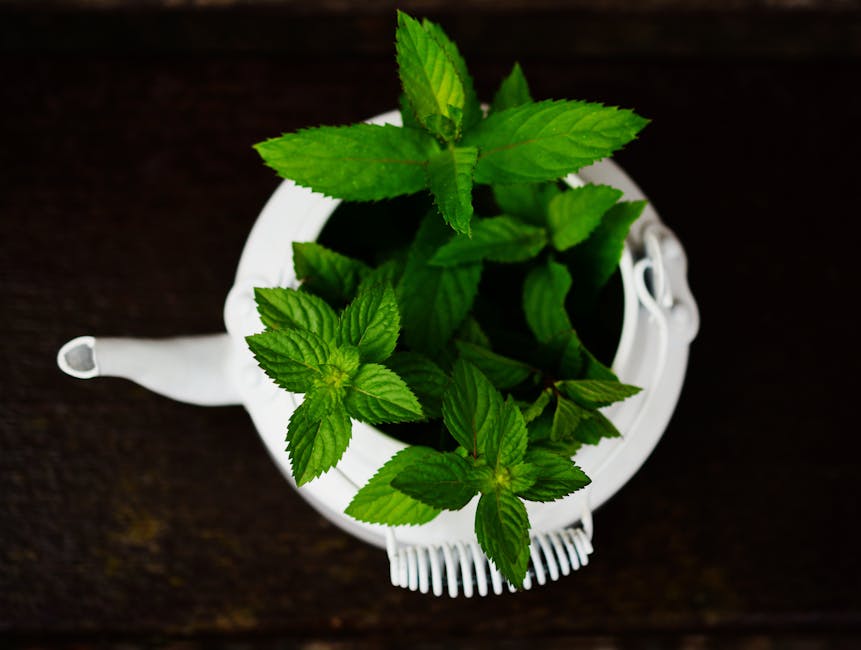
Selection and Establishment of Adapted Aromatic Species
The cultivation of aromatic herbs at home offers a valuable opportunity to enrich daily gastronomy and connect with sustainable practices. Beyond their culinary contribution, these plants provide aesthetic benefits and create a vibrant environment. The integration of horticulture into urban domestic spaces has gained prominence, driven by growing interest in food traceability and reducing ecological footprints. This article explores advanced methodologies and essential considerations for establishing and maintaining an aromatic herb garden, from species selection to preservation techniques, incorporating the latest innovations in the sector.
Selection and Establishment of Aromatic Species
Choosing the right species is fundamental to successful cultivation. Varieties adapted to the local climate and available light conditions are prioritized. For regions like Argentina, herbs such as rosemary (Rosmarinus officinalis), thyme (Thymus vulgaris), oregano (Origanum vulgare), and basil (Ocimum basilicum) are robust options. Basil, for instance, requires full sun exposure and well-drained soils, while mint (Mentha spicata) prefers partial shade and consistent moisture, although its vigorous growth necessitates control to prevent it from encroaching on other plants.
Recent advances in plant breeding have introduced basil varieties with greater resistance to diseases like downy mildew, a common issue in humid climates. Selecting certified seeds or seedlings guarantees a healthy genetic foundation. Direct sowing or transplanting young seedlings in spring, after the risk of frost has passed, optimizes establishment. For the growing medium, a mixture of garden soil, mature compost, and perlite or vermiculite in a 2:1:1 ratio ensures adequate drainage and nutrition. An example of a useful resource for identifying varieties and their requirements can be found at Infojardin.com, an established platform for horticulturists.
Agronomic Management and Nutritional Optimization
Agronomic Management and Specific Nutrition
Managing the growing environment is critical for the productivity and quality of herbs. Watering should be consistent but not excessive, adapted to the water needs of each species and climatic conditions. Drip irrigation systems or self-watering pots are efficient solutions for optimizing water consumption, a key trend in sustainable urban agriculture.
Plant nutrition is addressed through regular incorporation of organic fertilizer, such as compost or worm castings, which improves soil structure and provides essential micronutrients. Recent studies from the University of Buenos Aires have highlighted the importance of specific nitrogen, phosphorus, and potassium (NPK) ratios for maximizing essential oil production in herbs like lavender and rosemary. Regular pruning not only promotes denser, more branched growth but also prevents premature flowering, which can alter the flavor of some herbs. “Pinching” techniques on basil, for example, stimulate the production of new leaves and extend the harvest period. The implementation of soil moisture sensors and mobile applications for monitoring irrigation and fertilization, such as those offered by platforms like Plantix, are examples of innovations that facilitate more precise and efficient management.
Biological Control of Pests and Diseases
Phytosanitary Biological Control Strategies
Phytosanitary protection of aromatic herbs is essential to ensure their health and quality, especially when intended for consumption. Organic approaches and biological control constitute the most suitable strategy to avoid the use of agrochemicals. Biodiversity in the garden, encouraged by planting companion species, is an effective tactic. For example, pot marigold (Calendula officinalis) and nasturtium (Tropaeolum majus) act as aphid traps, diverting them from culinary herbs. Garlic (Allium sativum) and onion (Allium cepa) can repel a variety of harmful insects due to their sulfurous compounds.
In case of infestations, natural solutions are prioritized. The use of diluted potassium soap is an effective treatment against aphids and scale insects, while neem oil (Azadirachta indica) offers a broad spectrum of action against various pests without affecting pollinators or human health. The use of yellow sticky chromatic traps also helps monitor and reduce populations of flying insects. Prevention is key; good air circulation and adequate watering minimize the appearance of fungi such as downy mildew and rust. La Huertina de Toni, a reference in organic horticulture, offers detailed resources on these practices on their website lahuertinadetoni.es.
Optimal Harvest and Preservation Methods
The technique and timing of harvest directly impact the intensity of the aroma and flavor of herbs. Generally, it is recommended to harvest in the morning, after the dew has evaporated, when essential oils are most concentrated. For leafy herbs like basil and mint, cut stems just above a node to stimulate the growth of new branches. For woody herbs like rosemary or thyme, sections up to one-third of the plant can be cut without causing damage.
Harvesting Techniques and Preservation Methods
Proper preservation extends the shelf life of herbs. Air drying in a dark, ventilated place is a traditional and effective method for many species. Alternatively, dehydration in a low-temperature oven (under 40°C) or in electric dehydrators offers faster and more uniform results. Freezing is ideal for herbs with high water content, such as parsley or cilantro; they can be finely chopped and frozen in ice cube trays with a little water or olive oil. Infusing in olive oil or vinegar is another technique that allows flavors to be extracted and preserved, although it requires sanitary precautions to prevent bacterial growth. Innovations in vacuum packaging and modified atmospheres are being explored for long-term preservation, especially in industry, but their principles can be adapted on a small scale to maximize freshness.
Integrating aromatic herbs into home cooking is an enriching practice that goes beyond gastronomy. By applying appropriate agronomic techniques, prioritizing biological control, and adopting efficient preservation methods, any gardener can establish and maintain a productive herb garden. Current trends towards sustainability and food autonomy reinforce the relevance of these practices. Constant evolution in plant breeding and digital monitoring tools offer new avenues for optimizing cultivation, making the experience more accessible and rewarding. Fostering biodiversity and conscious production contributes not only to tastier cuisine but also to a lifestyle more connected with natural cycles.
Related Articles

Physiology and Integrated Management of Blossom End Rot in Solanaceous Crops
Water and nutritional strategies to mitigate calcium deficiency in tomato and pepper fruits, optimizing yield and quality.

Balcony Strawberry Cultivation: Variety Selection, Watering, Nutrition, and Biological Control
Enhance balcony strawberry production with variety selection, precise water management, organic nutrition, and biological pest control.

Unlock Bountiful Harvests: Essential Care for Thriving Fruit Trees
Understand the secrets to nurturing healthy, productive fruit trees, from proper planting and soil care to effective pest management, ensuring abundant yields.
From Seed to Supper: Unearthing the Myriad Joys of Home Gardening
Learn how a home garden enriches your life with fresh produce, boosts well-being, and connects you to nature, fostering sustainable living.