Home Phytoremediation: Air-Purifying Plants and Biophilic Design for Healthy Environments
Integrate greenery into your home to improve indoor air quality. Discover key species and maintenance strategies for effective phytoremediation.
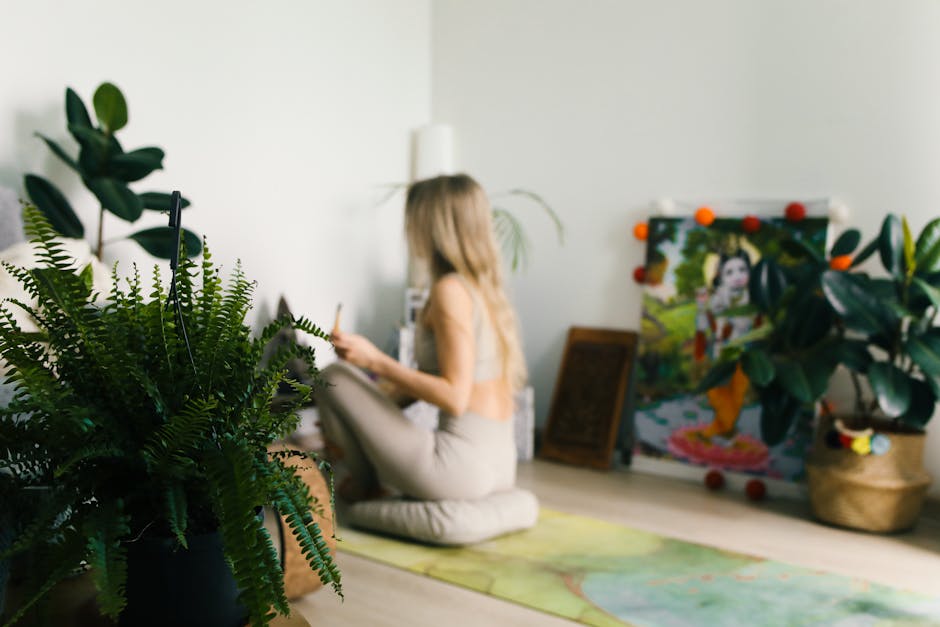
Phytoremediating Mechanisms of Plant Species in Indoor Environments
The quality of air in our homes has become a growing concern, especially in urban settings where exposure to pollutants is constant. Indoor spaces, often more enclosed, can accumulate volatile organic compounds (VOCs) released by furniture, cleaning products, and building materials. Integrating vegetation into interior design offers a natural and aesthetic solution to mitigate this challenge, transforming the domestic environment into a healthier sanctuary.
Mechanisms of Pollutant Absorption by Plant Species
Plants employ advanced biological processes to purify the air. Primarily, the absorption of harmful substances occurs through the stomata, small openings on the leaves that facilitate gas exchange. Once inside the plant, these pollutants are metabolized and transformed into less harmful components or utilized as nutrients. Studies show that microorganisms present in the substrate also play a crucial role, breaking down VOCs that are transported from the leaves to the roots. This phenomenon, known as phytoremediation, is an effective strategy against formaldehyde, benzene, and xylene, among other chemical agents present in indoor air. Recent research focuses on understanding how soil microbial communities can enhance this purifying capacity, opening new avenues for optimizing biofiltration in domestic and professional environments.
Selection and Cultivation of Plants with High Air-Purifying Efficiency
Various plant species stand out for their ability to filter air, while also offering aesthetic and well-being benefits. The appropriate selection of plants and their specific care amplifies their purifying potential.
- Sansevieria trifasciata (Snake Plant): This plant is notable for its resilience and for releasing oxygen during the night, making it ideal for bedrooms. It effectively absorbs toxins such as benzene, formaldehyde, and trichloroethylene. It requires indirect light and moderate watering, adapting well to low-maintenance conditions.
- Spathiphyllum (Peace Lily): Recognized for its elegant white flowers, the Peace Lily is a potent purifier that removes ammonia, formaldehyde, benzene, and trichloroethylene. It prefers humid environments and indirect light, signaling its need for water with drooping leaves.
- Epipremnum aureum (Pothos): Extremely versatile and easy to care for, Pothos is excellent for combating formaldehyde, xylene, and carbon monoxide. It adapts to various light conditions, from bright indirect to low light, and thrives with regular watering but without waterlogging.
- Chlorophytum comosum (Spider Plant): One of the most popular and simple-to-maintain plants, the Spider Plant is highly effective against formaldehyde and xylene. Its “pups” facilitate easy propagation, allowing its benefits to be multiplied throughout the home. It requires indirect light and moist soil.
- Dracaena fragrans (Corn Plant): This species helps eliminate formaldehyde, xylene, and trichloroethylene. It needs medium to bright light and watering that allows the top layer of the substrate to dry between applications. Its upright form makes it ideal for spaces with high ceilings.
- Ficus elastica (Rubber Tree): With its large, glossy leaves, the Rubber Tree is an excellent remover of formaldehyde and other toxins. It prefers bright indirect light and soil that remains consistently moist but not waterlogged.
Placement and Maintenance Strategies to Maximize Phytoremediation
Optimizing the distribution and care of plants in the home intensifies their purifying capacity. Strategic placement and proper maintenance are fundamental to ensuring their vitality and effectiveness.
Strategies for Placement and Maintenance to Optimize Phytoremediation
Plant placement should consider potential sources of pollutants. Positioning specimens near areas with chemicals (like kitchens or bathrooms) or in high-traffic zones can be particularly beneficial. Likewise, light exposure is crucial; while some species tolerate shade, most optimize their metabolic functions with bright indirect light. It is vital to maintain adequate environmental humidity, especially in environments with heating or air conditioning, which tend to dry out the air. Watering should be consistent but without saturating the substrate, as excess water can suffocate the roots and affect soil microorganisms. Regular cleaning of the leaves, removing accumulated dust, ensures that the stomata remain clear for efficient gas absorption. Current research explores the integration of active biofilters that combine plants with ventilation systems for more dynamic air purification, an emerging trend in sustainable building design. https://www.infojardin.com/ provides detailed guides on the specific care of these species.
Integrating Botany into Sustainable Interior Design
The incorporation of plants into the home transcends mere aesthetics; it aligns with the principles of biophilic design, which seeks to connect inhabitants with nature to enhance physical and mental well-being. This trend drives the creation of spaces that are not only visually appealing but also functionally healthy and energy-efficient.
Technological advancements facilitate the integration of botany into modern life. Smart sensors monitor soil moisture, light, and temperature, communicating plant needs through mobile applications. This allows for precise and automated care, optimizing conditions for maximum phytoremediation efficiency. Research in urban horticulture explores new plant varieties with enhanced pollutant absorption capabilities and greater resilience to indoor conditions. Furthermore, the trend towards sustainability in home design promotes the use of natural materials and the integration of vertical vegetation systems or indoor gardens, which not only purify the air but also contribute to thermal regulation and noise reduction. Implementing these green solutions represents a significant step towards creating healthier and more environmentally friendly environments. https://www.picarona.es/blog/ offers insights into the latest trends in gardening and sustainable design.
Integrating Botany into Sustainable and Biophilic Interior Design
The conscious incorporation of purifying plants into our homes is an investment in health and well-being. These natural biofilters not only beautify our spaces but also act as silent allies in the fight against indoor pollution, promoting a purer environment and a deeper connection with nature. Adopting these practices is a path towards greener, healthier homes, adapted to the demands of contemporary life.
Related Articles

Container Citrus Cultivation: Substrate, Watering, and Phytotechnical Management
Improve the growth of lemon and orange trees in containers. Techniques for substrate, watering, pruning, and pest control for a successful harvest.

Container Citrus Cultivation: Variety Selection, Substrate, Management, and Health
Optimizing potted citrus through varietal selection, well-draining substrates, controlled irrigation and nutrition, and preventive plant health strategies.
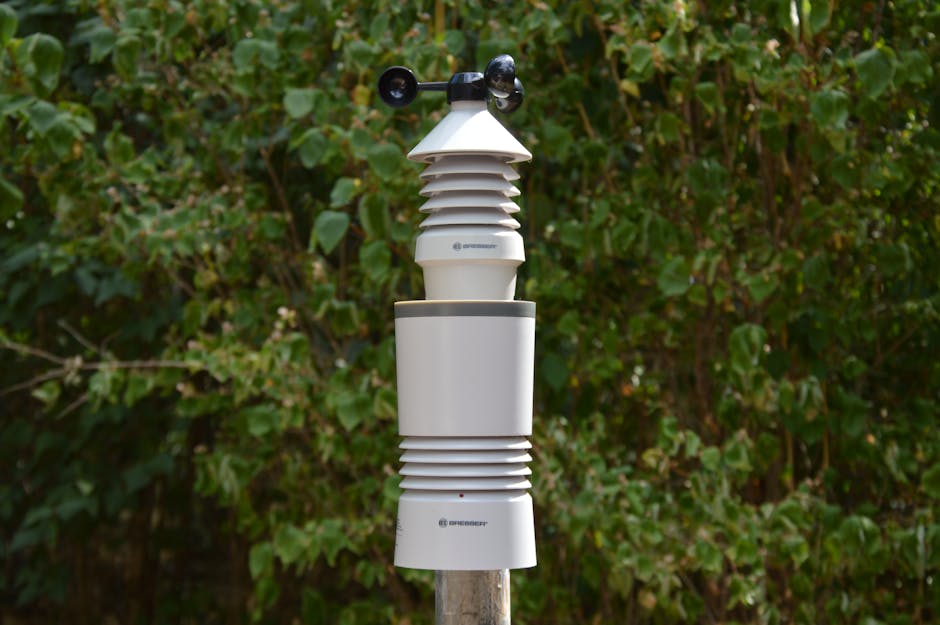
Personal Weather Stations: Key Tools for Precision Gardening
Optimizing water and plant protection resources with accurate local climate data for efficient and sustainable horticulture.

Phragmites australis: Biology, Applications, and Sustainable Management in Aquatic Ecosystems
Investigate reed biology, biofiltration applications, bioconstruction potential, and management for ecological restoration and sustainable resource utilization.