Educational Family Garden: Sustainable Learning Ecosystem and Ecological Practices
Integrate sustainable design, composting, efficient irrigation, and biological control to create a living knowledge laboratory.

Planning and Design: Foundations for Agricultural Sustainability
The family garden is much more than a space for food production; it is configured as a dynamic educational ecosystem, an open-air laboratory that fosters experiential learning for all ages. This approach transcends mere crop harvesting, promoting a deep understanding of natural cycles, ecology, and sustainability. In a global context where environmental awareness and the pursuit of healthy eating are priorities, the home garden stands as an invaluable pedagogical tool, connecting families with the origin of their food and with responsible agricultural practices.
Planning and Design: Foundations for Sustainability
The conception of an educational family garden begins with strategic planning that integrates principles of sustainable design. Site selection, solar exposure, and water availability are critical factors. The implementation of techniques such as no-dig gardening or permaculture minimizes soil disturbance, favoring its structure and microbial biodiversity. A preliminary soil analysis, which can be done with home kits or through specialized services, provides essential data on its composition and pH, allowing for precise and ecological nutrient adjustments.
The choice of crops is another fundamental pillar. Prioritizing native species or those adapted to the local climate reduces the need for external inputs and increases resistance to pests and diseases. Crop rotation and companion planting (or intercropping) are age-old strategies that optimize nutrient use, improve soil health, and act as methods of natural biological control. For example, planting marigolds alongside tomatoes can repel nematodes, while basil protects tomatoes from whiteflies. These practices are not only efficient but also offer a rich learning opportunity about ecological interactions. For effective planning in the Rio de la Plata context, INTA offers valuable resources on planting calendars and recommended varieties for the region: https://www.inta.gob.ar/.
Innovative Cultivation Techniques and Ecological Management of the Horticultural Ecosystem
The daily management of the garden is a continuous process of observation and adaptation, enriched by the incorporation of innovative techniques and a fully ecological approach. Home composting emerges as a central practice, transforming organic waste from the kitchen and garden into a fertilizer rich in nutrients and organic matter. This technique reduces the amount of waste sent to landfills and significantly improves soil structure and fertility, closing a virtuous resource cycle. Recent studies from the University of Buenos Aires on soil microbiology highlight the importance of organic matter for the resilience of agricultural ecosystems.
Efficient water management is crucial, especially in regions with climatic variability. Drip irrigation systems or microsprinklers minimize water consumption by delivering water directly to the plant roots, reducing evaporation. Installing soil moisture sensors, connected to mobile applications, allows for monitoring and optimizing irrigation, avoiding both water stress and excess moisture. Mulching with straw, dry leaves, or wood chips is another effective technique for conserving moisture, suppressing weeds, and regulating soil temperature, in addition to providing organic matter as it decomposes. For more information on cultivation techniques, platforms like Infojardín can be consulted: https://www.infojardin.com/.
Biological pest control is fundamental in an educational garden. Instead of resorting to synthetic chemicals, the presence of beneficial insects such as ladybugs, lacewings, or hoverflies, which prey on aphids and other pests, is promoted. Planting species that attract these allies, like borage or dill, creates a balanced ecosystem. Preparing homemade solutions based on garlic, neem, or potassium soap offers natural alternatives for managing infestations.
The Garden as a Living Laboratory: Continuous Learning
The family garden is, by nature, a space for experimentation and discovery. Each stage, from sowing a seed to harvesting, offers countless opportunities for practical learning. Children and adults can observe germination, plant growth, insect pollination, and the interactions between different species. This direct contact with nature fosters scientific curiosity and the development of observation and analysis skills.
The Garden as a Living Laboratory: Experiential Learning and Citizen Science
Documenting processes is a valuable educational activity. Keeping a garden journal, recording planting dates, growth, flowering, harvest, and the appearance of pests or diseases, allows for pattern identification and informed decision-making in future cycles. Identifying plants and soil organisms through visual recognition apps, such as PlantNet https://plantnet.org/ or iNaturalist https://www.inaturalist.org/, transforms the garden into an interactive study field. Furthermore, participating in citizen science projects related to biodiversity or plant phenology, such as those promoted by universities or research institutions, connects the individual garden with broader knowledge networks, contributing to global scientific research.
The garden is also a space to explore biodiversity and the conservation of traditional varieties. Growing heirloom or open-pollinated seeds contributes to preserving the genetic diversity of crops, a crucial aspect in the face of climate change and the homogenization of commercial varieties. This approach allows for an understanding of the value of local adaptation and ecosystem resilience.
The family garden, far from being a simple cultivation plot, is consolidated as a comprehensive educational project. It offers a unique platform for learning about sustainability, ecology, science, and healthy eating, all while enjoying the satisfaction of harvesting one’s own food. By integrating innovative practices, accessible technologies, and a deep respect for natural cycles, each garden becomes a small engine of change, educating and empowering future generations for a greener, more conscious future.
Related Articles

Atacama Desert Farming: Physiology, Irrigation, Soil, Protection
Adapting flora, optimizing water with drip irrigation, enriching soil, and protecting against abiotic stress for gardening in extreme zones.

Crop Rotation: Agronomic Principles and Practical Applications for Soil Sustainability
Crop rotation is an essential agronomic technique for soil health, pest management, and sustainable productivity in gardens.

Grapevine Cultivation: Essential Practices for Successful Home Viticulture
An in-depth guide to cultivating grapes at home, covering site selection, varietal choice, pruning techniques, and integrated pest management for robust yields.
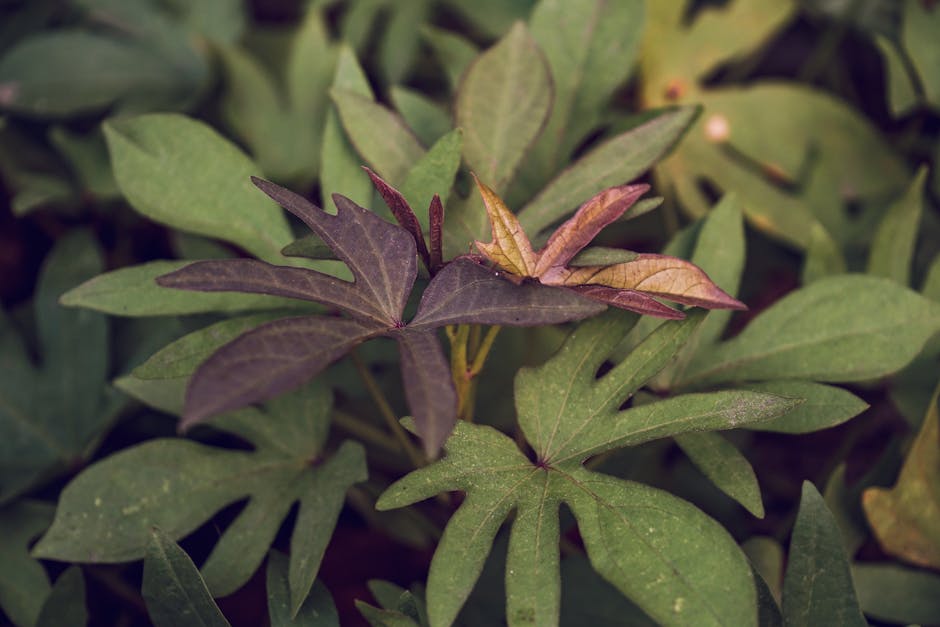
Ipomoea batatas: Edaphoclimatic Requirements and Cultivation Techniques for Sustainable Production
Understand the key factors for successful sweet potato cultivation: climate, soil, propagation, nutrition, and phytosanitary management.