Home Cultivation of Oyster Mushrooms: Substrates, Incubation, and Sustainable Fruiting
Enhance home-grown edible mushroom production. Learn about substrates, inoculation, environmental control, and harvesting for food self-sufficiency.

Selection and Preparation of Lignocellulosic Substrates for Oyster Mushroom Cultivation
The production of edible mushrooms in domestic settings represents a valuable opportunity for food self-sufficiency and the exploration of innovative cultivation techniques. Oyster mushrooms (Pleurotus ostreatus), recognized for their culinary versatility and nutritional properties, adapt exceptionally well to small spaces, offering a rewarding experience for the urban horticulturist. This approach not only optimizes resource utilization but also fosters an understanding of fungal biological cycles, an essential component in regenerative agriculture and the circular economy.
Substrate Selection and Preparation for Oyster Mushrooms
Success in cultivating oyster mushrooms begins with the appropriate choice of substrate, the medium where the mycelium will develop. Lignocellulosic materials such as cereal straw (wheat, barley), sawdust from non-resinous hardwoods (poplar, oak), and agricultural by-products like coffee grounds or cotton hulls are viable and sustainable options. Substrate preparation is critical for eliminating competing microorganisms and ensuring nutrient availability. A common method is pasteurization, which involves immersing the substrate in hot water (65-70°C) for several hours. Alternatively, autoclave sterilization, although more complex for home use, guarantees greater purity. Recent advancements explore the use of substrates enriched with organic additives, such as wheat bran or agricultural gypsum, to enhance yield and accelerate the fruiting cycle, aligning with trends in resource optimization and intensive production in limited spaces. For proper substrate management, detailed resources on pasteurization and sterilization techniques can be consulted on specialized portals like Infoagro.
Mycelial Inoculation and Environmental Condition Optimization for Pleurotus ostreatus
Inoculation and Optimal Environmental Conditions
Once the substrate is prepared and cooled, inoculation proceeds with oyster mushroom “seed” or spawn, which is mushroom mycelium cultivated on sterile grain. This process should be performed in an environment as aseptic as possible to minimize contamination. The spawn ratio typically ranges from 5% to 10% of the substrate’s wet weight. After inoculation, the substrate blocks are moved to an incubation phase in total darkness or dim light, with a constant temperature between 20°C and 25°C and relative humidity of 90-95%. During this stage, the mycelium completely colonizes the substrate, forming a dense, whitish network. Innovation in domestic environmental monitoring, such as the use of humidity and temperature sensors connected to mobile applications, allows cultivators to maintain stable conditions with greater precision. These smart systems, increasingly accessible, facilitate microclimatic control that emulates the conditions of professional cultivation chambers, a significant advancement for precision urban agriculture. Additional information on the incubation and mycelial colonization phase can be found in academic publications or blogs specializing in applied mycology.
Fruiting, Harvesting, and Post-Harvest Trends
Fruiting Induction, Harvesting Techniques, and Post-Harvest Preservation of Oyster Mushrooms
Following complete substrate colonization (approximately 2-4 weeks), the fruiting phase is induced. This involves exposing the blocks to an environmental shock: a decrease in temperature (15-18°C), an increase in indirect light, and frequent ventilation to reduce carbon dioxide concentration and increase relative humidity (85-90%). Small primordia, or “pins,” will begin to emerge, rapidly developing into mature fruiting bodies. Harvesting is done when the edges of the oyster mushroom caps begin to flatten or slightly curl upwards, before they release their spores. It is recommended to gently twist the entire cluster from the base to avoid damaging the substrate and allow for future flushes. Regarding post-harvest trends, preservation through dehydration or freeze-drying is gaining popularity, allowing oyster mushrooms to be stored for extended periods without losing their organoleptic properties. Furthermore, current research focuses on developing new Pleurotus varieties with increased disease resistance and faster growth cycles, promising to further optimize domestic production. For efficient harvesting and storage techniques, a good resource is the portal of La Huertina de Toni.
Cultivating oyster mushrooms at home is a feasible and enriching project that connects enthusiasts with the principles of applied mycology and sustainability. Careful substrate selection, precise control of environmental conditions, and attention during fruiting are pillars for achieving successful harvests. By integrating these practices with the latest innovations in monitoring and preservation, home cultivators not only ensure a steady supply of fresh mushrooms but also contribute to a more resilient and environmentally conscious food model, reflecting the spirit of ever-evolving permaculture and urban agriculture.
Related Articles
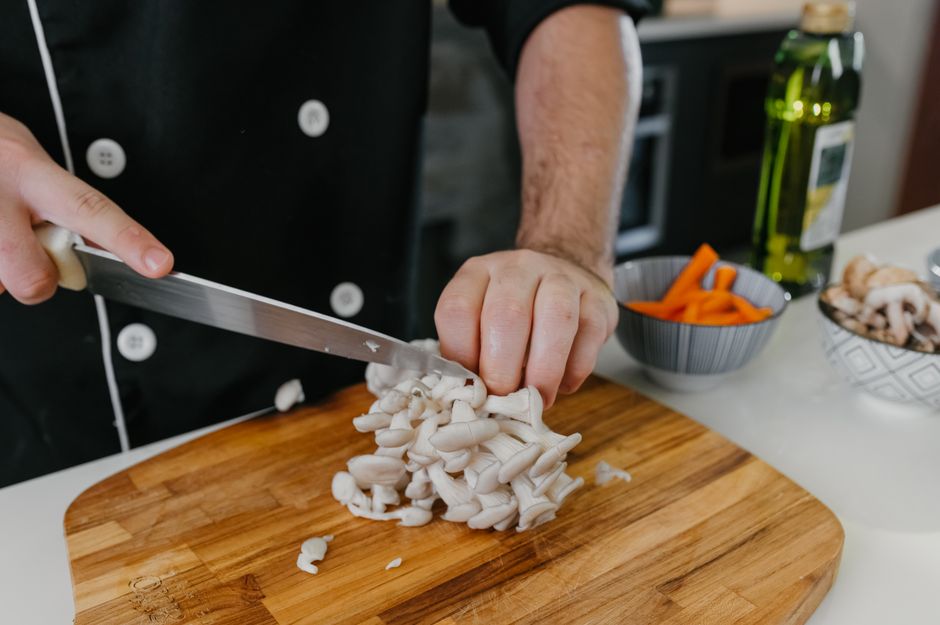
Oyster Mushroom Cultivation (Pleurotus ostreatus): Substrates, Incubation, and Fruiting
Detailed guide to home cultivation of oyster mushrooms, covering substrates, inoculation, incubation, and fruiting techniques for successful harvests.
Integrated Management of Slugs and Snails in Lettuce Crops: Sustainable Prevention and Control
Strategies for controlling slugs and snails in lettuce: cultural practices, monitoring, physical barriers, biological control, and eco-friendly molluscicides.

Aphid Management on Roses: Biology, Prevention & Biological Control
Strategies for managing aphids on roses: early detection, preventive cultural practices, biological control with beneficial insects, and biopesticides.

Educational Family Garden: Sustainable Learning Ecosystem and Ecological Practices
Integrate sustainable design, composting, efficient irrigation, and biological control to create a living knowledge laboratory.