Domestic Medicinal Gardens: Cultivation, Sustainability, and Technological Monitoring
Master cultivation, propagation, and biological control techniques for medicinal plants, integrating permaculture and sensors to optimize your garden.
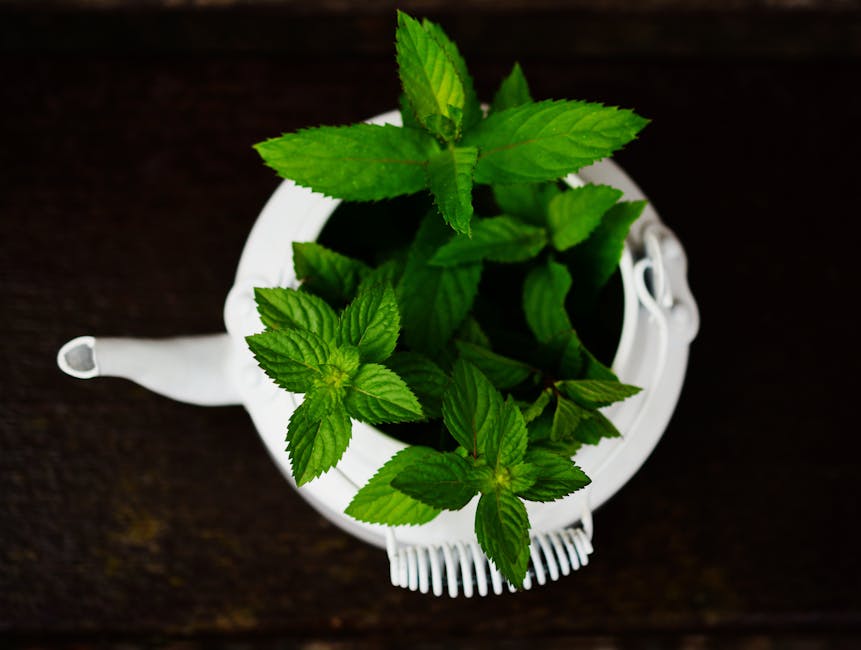
Environmental Requirements for Common Medicinal Species
The resurgence of interest in phytotherapy and the pursuit of a lifestyle more connected with nature drives many to consider self-managing their green medicine cabinets. Cultivating medicinal plants at home not only offers direct access to natural remedies but also fosters a deeper understanding of botany and its applications. This approach, combining ancestral wisdom with contemporary innovation, allows urban and rural horticulturalists globally to establish functional gardens that contribute to personal well-being and environmental sustainability. From species selection to implementing advanced cultivation techniques, domestic medicinal gardening is an enriching practice of growing relevance, aligned with global movements towards self-sufficiency and ecological resilience.
Environmental Requirements for Specific Species
Analysis of optimal soil, light, and irrigation conditions for chamomile, mint, and aloe vera in domestic settings.
The success in creating a medicinal garden begins with a detailed understanding of each species’ individual needs. Chamomile (Matricaria chamomilla), for example, thrives in well-drained soils with full sun exposure, requiring moderate watering once established. Its cultivation is ideal for sunny spots on balconies or patios. Mint (Mentha spp.), known for its vigor, prefers moist, organic-rich soils, tolerating both full sun and partial shade. It is crucial to contain its expansive growth, ideally in separate pots or with underground barriers to prevent it from invading other garden areas. Aloe vera (Aloe barbadensis miller), a succulent, demands a very well-drained substrate, similar to that for cacti, and abundant indirect sunlight. Overwatering is its main enemy, so one should wait for the substrate to dry out completely between waterings.
To ensure optimal development, substrate composition is fundamental. A mix combining garden soil, mature compost, and coarse sand or perlite will provide the necessary drainage and aeration. Incorporating compost, a key practice in regenerative agriculture, not only nourishes the soil but also improves its structure and water retention capacity, reducing the need for chemical fertilizers. The current trend in urban gardens prioritizes the use of enriched organic substrates that mimic the biodiversity of natural ecosystems. Source: Infojardin - Plant Substrates
Propagation Techniques and Integrated Pest Management
Propagation Techniques and Biological Pest Control
Methods of cuttings and seeds for lavender and rosemary, with integrated pest management strategies.
The expansion of a medicinal garden can be effectively achieved through various propagation techniques. Lavender (Lavandula angustifolia) and rosemary (Rosmarinus officinalis), both aromatic plants with significant properties, are successfully propagated from semi-hardwood cuttings taken in spring or autumn. This method ensures the preservation of the mother plant’s genetic characteristics. For chamomile, direct sowing of seeds in spring is the most common method. Germination requires light, so seeds should not be excessively covered.
Pest management in an organic medicinal garden focuses on prevention and biological control. The implementation of permaculture suggests the use of companion plants that repel unwanted insects or attract their natural predators. For instance, calendula (Calendula officinalis) can act as a trap for aphids, protecting other plants. Crop rotation, while more applicable in larger-scale gardens, helps break the life cycles of soil-specific pathogens and pests. In case of infestations, natural solutions like neem oil or potassium soaps offer ecological alternatives to synthetic pesticides, preserving the plants’ phytochemical quality. Recent studies validate the efficacy of botanical extracts in pest control, a growing trend in sustainable agriculture. Source: La Huertina de Toni - Pest Control
Sustainable Cultivation Systems and Technological Monitoring
Integration of permaculture in medicinal gardens and the use of sensors to optimize growth and harvest.
Sustainable Cultivation Systems and Technological Monitoring
Modern medicinal gardening incorporates innovations to maximize efficiency and sustainability. Vertical farming systems are an ideal solution for reduced spaces, allowing the cultivation of multiple species in a minimal area, perfect for apartment balconies in cities. The implementation of drip irrigation or wick systems optimizes water usage, a critical resource, especially in regions with water stress. These techniques, combined with mulching to retain soil moisture and suppress weeds, significantly reduce the garden’s water footprint.
Technology also plays an increasing role. Soil moisture, pH, and light sensors, connected to mobile applications, provide real-time data that allows for precise adjustments in plant care. These automated systems not only optimize growth but can also influence the concentration of medicinal phytochemicals, as controlled stress can enhance the production of secondary metabolites. Current research explores how manipulating environmental factors through technology can improve the bioactivity of herbal extracts. The integration of artificial intelligence to predict diseases or nutritional deficiencies represents a promising advance in precision horticulture.
Cultivating medicinal plants at home transcends mere gardening; it becomes a conscious practice that fuses tradition and cutting-edge innovation. From the appropriate selection of species to implementing sustainable techniques and leveraging technology, each step contributes to a healthier home and a greener environment. Autonomy in producing natural remedies, coupled with the pleasure of observing the plant life cycle, offers an invaluable reward for the modern horticulturist. This personal botanical journey, rooted in sustainability and innovation, strengthens our connection with nature and our capacity to care for ourselves.
Related Articles

Horticulture in the Bolivian Yungas: Adaptation, Water Management, and Biological Control
Implementing native flora, advanced moisture control, biological pest management, and robust cultivation techniques for sustainable Yungas horticulture.

Crop Association: Ecological Principles and Sustainable Agricultural Applications
Article explores crop association's ecological basis, strategies like milpa, and innovations in genomics for sustainable, resilient agriculture.

Harvest Health: Unlock the Secrets of Your Thriving Home Organic Garden
Learn how to cultivate a flourishing organic garden at home, embracing sustainable practices for fresh, healthy produce and a greener lifestyle.

Xeriscaping: Water Management Design for Resilient Urban Landscapes
Optimizing urban gardens through xerophytic flora selection, zoned design, strategic mulching, and efficient irrigation for minimal intervention.