Children's Horticulture: Integrated Development and Environmental Sustainability Through Cultivation
Children's gardening fosters cognitive, emotional, and civic skills, building an early understanding of sustainability and biodiversity.
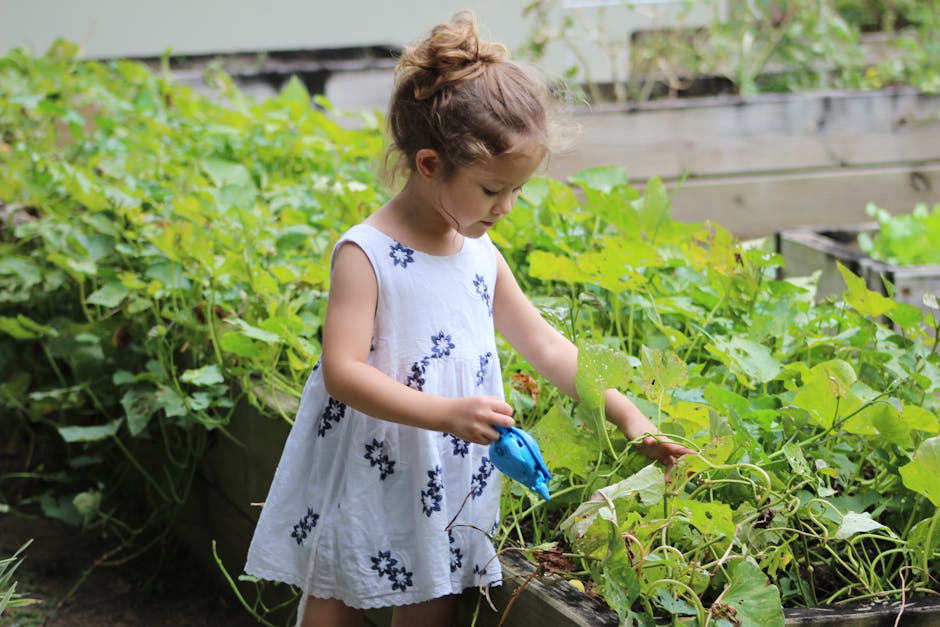
The Impact of Cultivation on Child Development and Environmental Education
Children’s connection with nature is a fundamental pathway for their holistic development. Children’s horticulture offers an exceptional educational framework, fostering curiosity, patience, and respect for biological cycles. This approach not only promotes fine and gross motor skills but also introduces concepts of science, mathematics, and civic responsibility from an early age, consolidating an early understanding of environmental sustainability.
Pedagogical and Ecological Benefits of Children’s Horticulture
The cultivation of plants by children has a significant impact on their cognitive and emotional development. Observing plant growth, from germination to harvest, stimulates critical thinking and problem-solving abilities. Children learn about photosynthesis, pollination, and the importance of water, key elements of botany and ecology. Furthermore, interacting with soil and plants reduces stress and promotes a sense of well-being. Recent studies, such as those published by the American Horticultural Therapy Association, confirm that exposure to natural environments improves concentration and reduces attention deficit symptoms in schoolchildren. The implementation of school or family gardens aligns with current environmental education trends, promoting small-scale regenerative agriculture and knowledge of local biodiversity, vital in regions like Argentina’s Humid Pampas.
Designing Garden Spaces Adapted for Children
Design and Planning of a Child-Friendly Green Space
Creating a safe and accessible gardening space is paramount for children’s participation. Site selection requires consideration of sun exposure, soil drainage, and proximity to a water source. It is recommended to define specific areas with raised beds or containers made from recycled materials, such as tires or wooden crates, to facilitate access and prevent excessive effort. The choice of plant species should prioritize those with rapid growth and easy management, such as radishes, lettuce, peas, strawberries, or sunflowers, which offer visible results in a short time, maintaining the children’s interest. Gardening tools adapted to the size and strength of children, made from lightweight materials and without sharp edges, are essential to ensure safety during activities. The trend towards urban agriculture promotes the use of modular hydroponic systems or vertical gardens, allowing gardening on balconies or small patios, optimizing space and water consumption.
Practical Activities and Innovative Projects for Young Gardeners
Educational Projects and Technologies Applied in Children’s Horticulture
Encouraging children’s active participation in the garden is achieved through concrete and engaging projects. A fundamental activity is seed sowing, where children can handle the soil and observe the germination process. Creating an “insect hotel” with natural materials like reeds, pinecones, and logs promotes biodiversity and natural pest control, teaching about the role of pollinators and natural predators. Home composting, transforming organic waste into fertilizer, is another educational project that illustrates the nutrient cycle and waste reduction. Efficient irrigation techniques, such as using low-flow watering cans or homemade drip systems with perforated bottles, teach the importance of water conservation. The implementation of low-cost moisture sensors, available in educational kits, can introduce children to technology applied to agriculture, allowing them to monitor their plants’ water needs in a playful way. To delve deeper into these practices, Argentina’s National Agricultural Technology Institute (INTA) offers resources and guides on family and school gardens, accessible on their website inta.gob.ar.
Promoting Biodiversity and Sustainability in the Family Garden
Integrating permaculture and biodiversity principles into children’s gardens is crucial for comprehensive education. Introducing native plants of the region not only attracts beneficial pollinators, such as bees and butterflies, but also teaches about indigenous flora and its adaptation to the local climate. Crop rotation prevents soil nutrient depletion and reduces disease incidence, a practice that can be simply explained to children through annual planting plans. The use of mulch with organic materials like straw or wood chips conserves soil moisture and suppresses weeds, minimizing the need for irrigation and herbicides. These practices, aligned with sustainable agriculture movements, prepare new generations to face the challenges of climate change and food security. For more information on native plants and their cultivation, the Buenos Aires Botanical Garden is an excellent source of knowledge and offers educational programs buenosaires.gob.ar/jardinbotanico.
Integrating Biodiversity and Sustainability into Children’s Gardens
Gardening for children transcends mere recreational activity, establishing itself as a powerful tool for developing essential competencies and nurturing conscious citizens committed to their environment. By fostering direct contact with the earth and its processes, the foundations are laid for a greener, more sustainable future, where each young gardener becomes a custodian of our natural heritage.
Related Articles

Earwig Ecology & Biological Pest Control
Promote biodiversity in your garden. Integrate earwigs through plant selection and habitat management for natural pest control.

Argentine Horticultural Calendar: Climate Adaptation, Soil, and Sustainability
Argentina's diverse climate and soil necessitate tailored regional sowing strategies for successful, sustainable gardening and food production.

Biology and Ecological Role of Coccinellidae in Green Ecosystems
Investigate Coccinellidae biology, morphology, and cultivation for effective garden pest management through biological control.

Argentina Bee Gardens: Native & Honey Bee Design, Flora, Management
Designing habitats for pollinators: native flora selection, seasonal planning, and organic management to support bees in Argentina.