Strategic Flora and Sustainable Habitats to Maximize Pollinators in Gardens
Implement floral design and shelters to boost garden biodiversity and productivity, promoting local ecological resilience.

Strategic Selection of Nectar and Pollen-Producing Flora
The vitality of any terrestrial ecosystem depends intrinsically on the interaction between plants and pollinators. In the context of our gardens, the presence of these small allies is fundamental to ensuring the fruiting of numerous crops and maintaining biodiversity. As awareness of the global pollinator crisis grows, driven by factors such as climate change and habitat loss, implementing conscious strategies to attract them to our green spaces becomes an essential practice. This approach not only optimizes garden productivity but also actively contributes to local ecological resilience. In this exploration, we will analyze effective and sustainable methods to transform your garden into a sanctuary for bees, butterflies, hummingbirds, and other pollinating agents.
Strategic Selection of Nectar and Pollen-Producing Flora
The foundation for attracting pollinators lies in offering food resources throughout the year. Careful planning of flora is crucial.
Botanical Composition for Pollinator Attraction
Plant species diversity is a determining factor. It is recommended to incorporate a mix of native and exotic plants adapted to the climate of our region, such as Buenos Aires or the Argentine Litoral. Native plants, for example, have a co-evolutionary relationship with local pollinators, making them highly efficient sources of nectar and pollen.
A recent study from the University of Buenos Aires underscores the importance of “host plants” that not only provide food but also places for butterfly larvae to reproduce, such as passionflower (Passiflora caerulea) for the Glasswing butterfly. Furthermore, choosing species with different flowering periods ensures a constant supply of food from spring through autumn. It is beneficial to include flowers of various shapes and colors, as different pollinators are attracted to specific characteristics: bees prefer blue, purple, and yellow flowers, while hummingbirds are drawn to red and tubular ones.
Considering species such as lavender (Lavandula angustifolia), rosemary (Rosmarinus officinalis), sage (Salvia splendens), sunflower (Helianthus annuus), calendula (Calendula officinalis), and borage (Borago officinalis) is a solid strategy. These offer abundant nectar and pollen production, being highly attractive to a wide range of insects. For more information on native plants of Argentina, you can consult the INTA flora catalog [https://inta.gob.ar/sites/default/files/inta_catalogo_de_plantas_nativas_argentinas.pdf].
Habitat Design and Supporting Structures for Entomofauna
Habitat Design and Supporting Structures for Entomofauna
Beyond flowers, pollinators require a complete habitat that includes shelter, water, and nesting sites.
Creating Microhabitats and Shelters
The implementation of “insect hotels” or “pollinator shelters” is an effective practice that has gained traction in urban and peri-urban agriculture. These structures, which can be as simple as a bundle of hollow reeds or a log with drilled holes, provide safe nesting places for solitary bees and other beneficial insects.
The arrangement of areas with dense vegetation, piles of dry leaves, or small rock clusters also offers refuge from predators and adverse weather conditions. Maintaining areas of the garden with untilled soil (no-till) can benefit ground-nesting bees, a trend in regenerative agriculture.
Providing Water Sources
Access to clean water is as vital for pollinators as it is for any other living being. Small, shallow waterers with stones or marbles that serve as perches to prevent insects from drowning are ideal. A dish with water and a few rocks in the center can be a simple and effective solution. It is crucial to keep these hydration points clean and replenish the water regularly. The National University of La Plata has researched the importance of these sources in urban environments [https://www.unlp.edu.ar/frontend/2/22/0/noticia_5316_es.pdf].
Ecological Management and Regenerative Practices in the Garden
Cultivation practices have a direct impact on the health and abundance of pollinators. An ecological approach is fundamental.
Ecological Management and Regenerative Practices in the Garden
Integrated Pest Management (IPM) Strategies
The use of pesticides, especially systemic and neonicotinoid ones, is one of the main threats to pollinator populations. Adopting Integrated Pest Management (IPM) is indispensable. This approach prioritizes biological control methods, physical traps, and crop rotation, minimizing reliance on chemical products.
Encouraging the presence of beneficial insects, such as ladybugs and lacewings, which are natural predators of pests, is a key strategy. For example, planting dill or cilantro in the garden attracts these biological controllers.
Soil Health and Cover Crops
Healthy soil rich in organic matter is the foundation of a robust garden ecosystem. Applying compost, using mulch, and implementing cover crops not only improve soil structure and moisture retention but can also provide additional resources for pollinators. Cover crops flower before being incorporated into the soil, offering nectar and pollen during critical times. This practice aligns with the principles of permaculture and regenerative agriculture, which aim to restore soil health and biodiversity.
Monitoring and Technological Advances in Pollinator Conservation
Observing and recording pollinator activity allows for evaluating the effectiveness of implemented strategies and contributing to citizen science.
Pollinator Activity Observation and Recording
Implementing simple monitoring of pollinator activity in your garden can be as basic as spending a few minutes each week observing which insects visit your flowers and in what numbers. Various mobile applications, such as “iNaturalist” or “Picture Insect,” allow for species identification and recording sightings, contributing to global biodiversity databases. This citizen science trend provides valuable data for researchers and conservationists.
Monitoring and Technological Advances in Pollinator Conservation
Innovations in Pollinator Protection
Technological advancements are also providing solutions. From sensors that monitor hive health to the development of new plant varieties with higher nectar production or disease resistance, innovation is constant. Current research focuses on better understanding the impacts of climate change on pollinator life cycles and developing adaptation strategies. For instance, crop varieties that can flower under water stress conditions are being studied, ensuring resources for pollinators even in drought scenarios. The creation of pollinator corridors in urban and rural landscapes is another initiative driven by recent scientific knowledge, connecting fragmented habitats and facilitating the movement of these species.
The integration of pollinators into the garden transcends mere crop optimization; it represents a fundamental commitment to environmental sustainability and biodiversity conservation. By strategically selecting flora, designing welcoming habitats, adopting ecological management practices, and participating in active monitoring, every gardener or horticulturist contributes significantly to the resilience of local ecosystems. Paying attention to these practices not only enriches the productivity and health of our gardens but also fosters a deeper connection with nature and its intricate processes. Attracting pollinators is a long-term investment in the health of our planet and the abundance of our own green spaces.
Related Articles
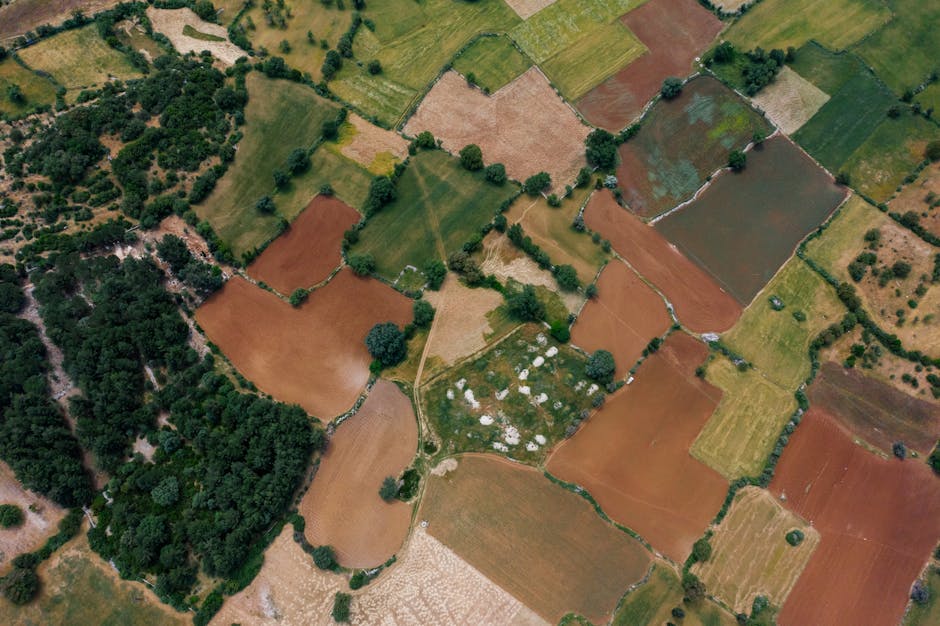
Crop Rotation: An Agroecological Pillar for Soil Health and Agricultural Resilience
Crop rotation enhances soil health, nutrient cycles, and pest control. It also aids weed suppression and optimizes water use for sustainable agriculture.

Integrated Management of Phytopathogenic Fungi: Diagnosis, Strategies, and Predictive Technologies
Addresses plant mycosis control through diagnosis, cultural practices, biocontrol, and technological innovations for plant health.
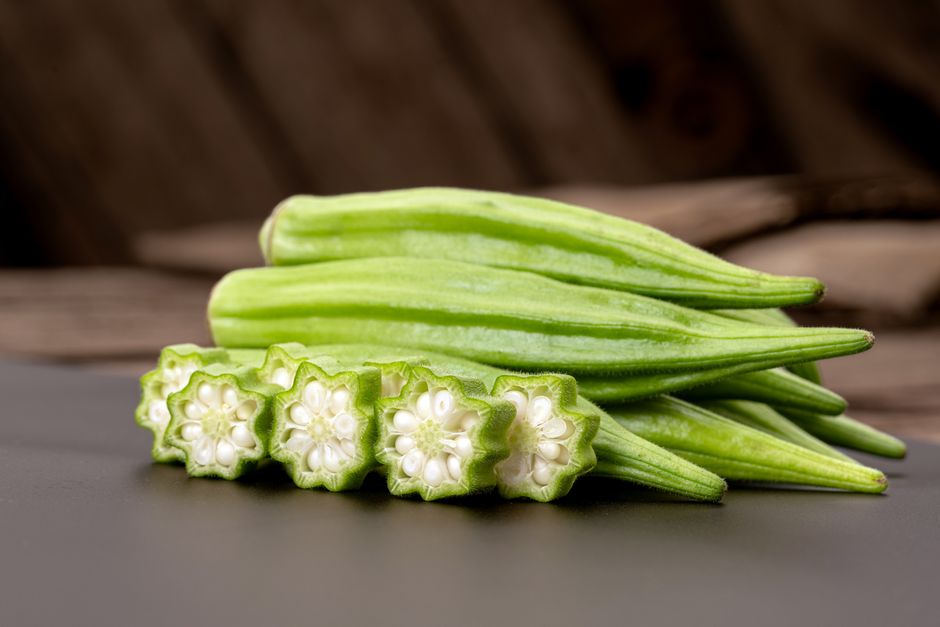
Legumes in Sustainable Agriculture: Soil Improvement, Nutrition, and Climate Resilience
Strategies for legume cultivation: soil prep, planting, water management, pest control, and rotation for optimal yield and sustainability.
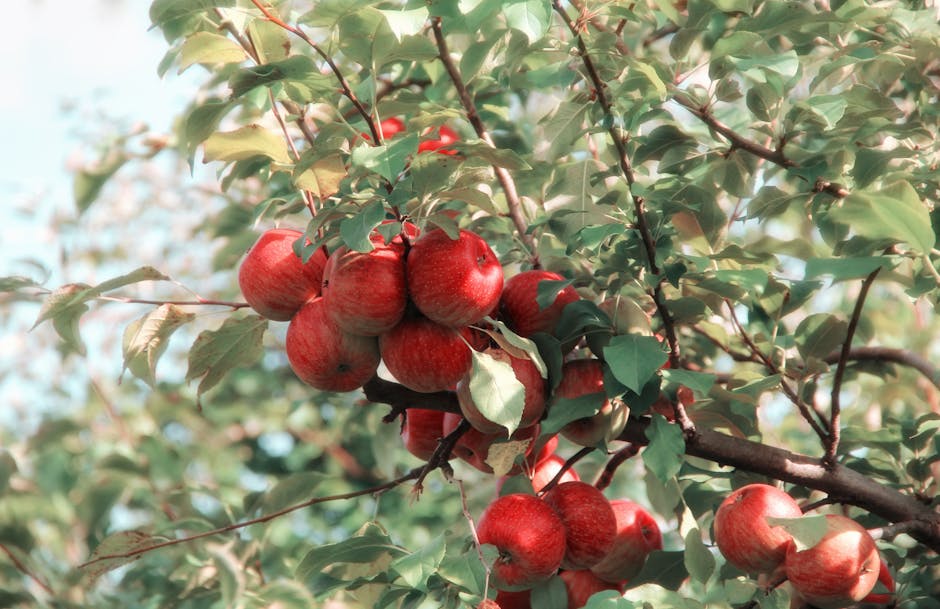
Fruit Tree Optimization: Substrate, Irrigation, Pruning, and Integrated Pest Management
Establishment, water management, specific nutrition, training pruning, and integrated pest control for fruit trees in diverse climates.