Carrot Cultivation: Soil Preparation, Varieties, and Modern Agronomic Management
Enhance carrot growing with substrate techniques, varietal selection, and innovative water-nutrient-pest management for home gardens.

Optimizing Substrate and Varietal Selection for Daucus carota
Growing carrots (Daucus carota) at home is a rewarding activity, providing access to fresh, nutritious vegetables. This detailed guide covers essential methodologies and recent innovations to ensure successful production, adaptable to various scales from urban gardens to larger plots.
Substrate Preparation and Varietal Choice
Optimizing the substrate is fundamental for carrot root development. They require loose, well-drained soil rich in organic matter, preferably with a sandy loam texture. An ideal pH ranges between 6.0 and 6.8. Before sowing, it is recommended to decompact the soil to a depth of at least 30 cm and enrich it with mature compost or worm castings. Recent studies from INTA Argentina (https://inta.gob.ar/) emphasize the importance of soil microbiological health for nutrient absorption and disease resistance, promoting the incorporation of bio-inputs.
Variety selection is crucial. There are long and conical types like ‘Nantes’ or ‘Danvers’, ideal for deep soils, and shorter or round varieties like ‘Paris Market’, suitable for more compact soils or container gardening. Innovations include hybrid varieties with increased resistance to nematodes or adverse climatic conditions, offering greater resilience against the challenges of climate change. For instance, certain varieties develop higher heat tolerance, extending growing seasons in warmer regions.
Direct Sowing Strategies and Early Development Management
Sowing and Early Development Strategies
Carrot seeds are sown directly into the ground, as transplanting can damage the delicate roots. Seeds are sown at a depth of 0.5 to 1 cm, maintaining a spacing of approximately 3-5 cm between seeds and 20-30 cm between rows. To facilitate uniform distribution and reduce subsequent thinning work, biodegradable seed tapes can be used, a technique that optimizes spacing and input use.
Constant moisture is vital during germination, which can take between 7 and 21 days. Once seedlings reach about 5-7 cm in height and develop their first true leaves, thinning is essential. This process involves removing weaker seedlings, leaving a space of 5-10 cm between them. This practice prevents competition for resources and ensures that the remaining carrots develop adequately sized roots. Lack of thinning is one of the most common causes of small or deformed carrots.
Water, Nutrient, and Phytosanitary Management
Sustainable Water, Nutrient, and Phytosanitary Management
Water management is critical. Carrots require constant and uniform soil moisture to prevent root cracking. Drip irrigation is recommended, delivering water directly to the root zone, minimizing evaporation and the risk of foliar diseases. Automated irrigation systems with soil moisture sensors represent an innovation that allows precise water management, optimizing water consumption, a resource increasingly valued in modern agriculture.
Regarding nutrition, while carrots do not demand large amounts of nitrogen (an excess can favor foliage over root development), they do require phosphorus and potassium for good root growth. Organic fertilization with compost, wood ash, or bone meal is ideal. Implementing crop rotation is a proven strategy to maintain soil fertility and reduce the incidence of pests and diseases, improving the long-term sustainability of the garden (https://lahuertinadetoni.es/rotacion-de-cultivos-en-la-huerta/).
Phytosanitary control focuses on prevention. The carrot fly (Psila rosae) is a common pest; its control can be achieved through crop rotation, the use of insect-proof netting, or planting companion plants like rosemary or onion, which act as natural repellents. Downy mildew and other fungal diseases are prevented with good drainage, adequate spacing, and, in necessary cases, the use of organic fungicides like horsetail extract. Current research explores the use of mycorrhizal fungi to strengthen plant resistance to pathogens and improve nutrient uptake.
Optimal Harvest and Post-Harvest Conservation
Optimal Harvest and Post-Harvest Conservation of Carrots
The timing of harvest varies by variety and growing conditions, generally between 70 and 100 days after sowing. Carrots are ready when the top of the root begins to show above the soil and reaches an adequate diameter. To harvest, it is recommended to loosen the soil around the root with a garden fork before gently pulling the tops to avoid damage. Staggered harvesting allows for enjoying fresh carrots over a longer period.
Conservation is key to maintaining quality. Once harvested, carrots should be cleaned and the tops removed, leaving about 1-2 cm of stem to prevent dehydration. They can be stored in a cool, dark place, such as a cellar, or in the refrigerator’s crisper drawer within a perforated bag. For long-term storage, some gardeners store them in layers of damp sand. Current trends in urban agriculture promote local consumption and waste minimization, encouraging home preservation techniques and processing of surplus into juices, ferments, or pickles, in line with circular economy principles.
In summary, growing carrots is an enriching experience that, by integrating traditional practices with innovations in soil, water, and pest management, allows for abundant, high-quality harvests. Understanding natural cycles and applying sustainable techniques not only benefits production but also contributes to the health of the garden ecosystem.
Related Articles
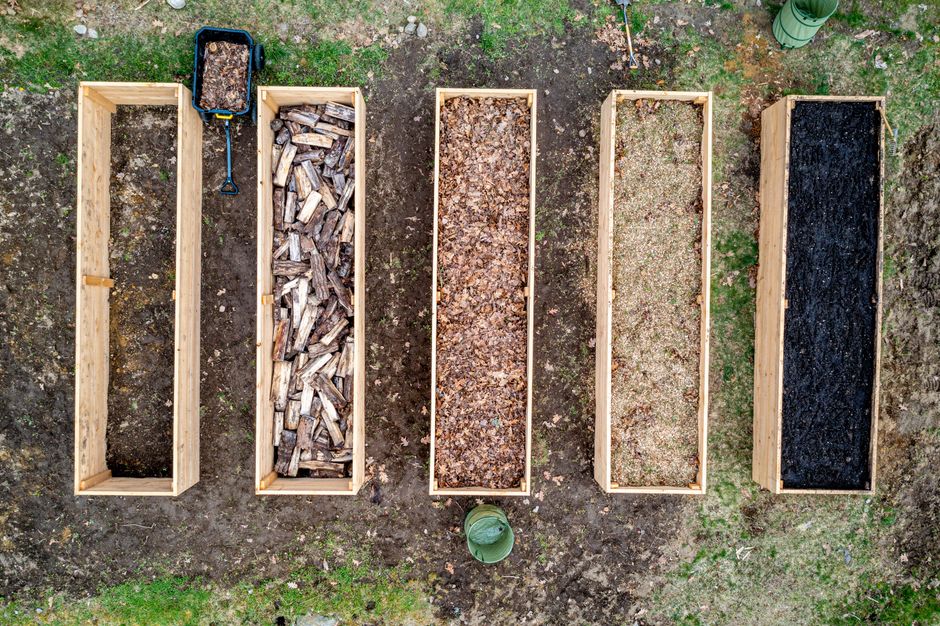
Urban Horticulture: Raised Bed Design, Substrate & Sustainable Management
Optimizing materials, organic substrates, efficient irrigation, and pest control for raised bed horticulture, promoting sustainability.

Lettuce Anthracnose: Pathogenesis, Management & Detection
Details identification, pathogenesis, and cultural, biological, and chemical control strategies for lettuce anthracnose, including technological advancements.
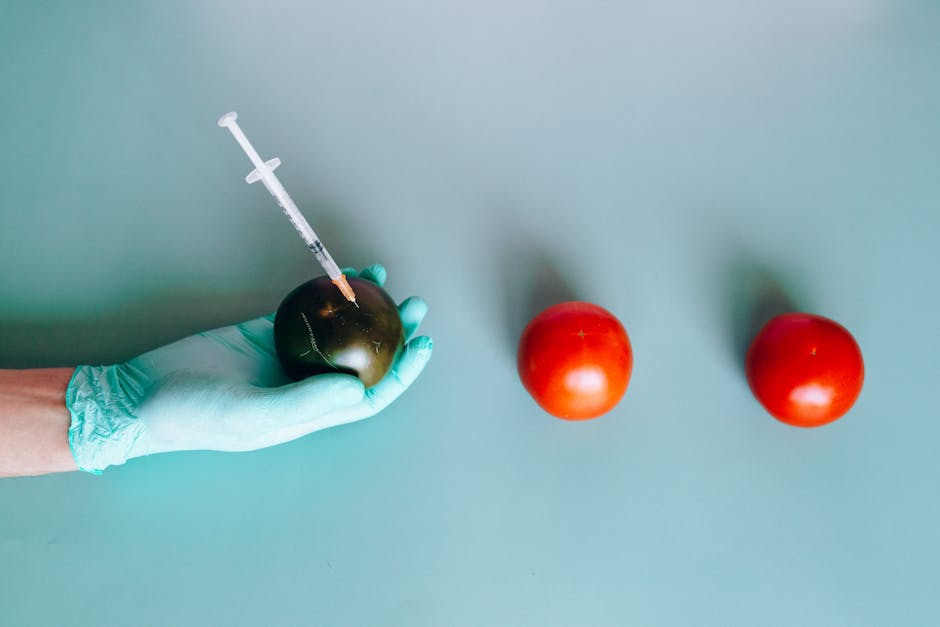
Tomato Early Blight: Integrated Cultural & Biotech Management
Cultural, biological, and technological strategies for managing early blight in tomatoes, minimizing losses and optimizing yields.

Crop Rotation: Agronomic Principles for Horticultural Soil Health
Learn how crop rotation improves soil fertility, controls pests and weeds, and promotes sustainability in gardens.