Vegetative Propagation by Cuttings: Techniques, Environmental Factors, and Technological Advances
Maximize plant propagation with selection methods, preparation, substrates, and innovative technologies for successful rooting.

Selecting and Preparing Cuttings: Foundations for Successful Rooting
Vegetative propagation using cuttings is a fundamental horticultural technique, enabling the cloning of mother plants to obtain new individuals with identical genetic characteristics. This method is widely valued in gardening and agricultural production for its efficiency and ability to preserve specific varieties, essential for biodiversity and adaptation to changing environments.
Selection and Preparation of Plant Material
The proper selection of cuttings is crucial for successful rooting. Different species respond better to different types of cuttings: herbaceous (soft, flexible stems), semi-hardwood (partially mature stems), or hardwood (mature, lignified stems). The time of year significantly influences this; herbaceous cuttings are generally taken in spring, while hardwood cuttings are collected in winter.
For preparation, sterilized cutting tools, such as pruning shears or knives, are used to prevent pathogen transmission. The cut should be clean and made just below a node, where a higher concentration of hormones is found. Lower leaves are removed to reduce transpiration and prevent rot upon contact with the substrate. The application of rooting hormones, such as Indole-3-butyric acid (IBA) or Naphthaleneacetic acid (NAA), in liquid or powder formulations, stimulates the formation of adventitious roots. Various brands are available in the market, facilitating access for gardeners and producers. For a deeper dive into specific cutting and preparation techniques, specialized resources such as those available on Infojardin https://www.infojardin.com/ can be consulted.
Environmental Factors and Optimal Substrates for Vegetative Propagation
Environmental Factors and Substrates for Rooting
The rooting environment requires controlled conditions to maximize the survival and root development of cuttings. Ambient humidity is a critical factor; the use of propagation chambers or frequent misting is recommended to maintain tissue turgor. High relative humidity (70-90%) prevents dehydration while the cutting lacks a functional root system.
The optimal substrate temperature, ranging between 20°C and 25°C (68°F - 77°F), promotes cell division and root formation. Light should be indirect and diffuse, avoiding direct sun exposure which could cause water stress. Regarding the substrate, it is essential that it is sterile, well-aerated, and has excellent drainage capacity to prevent fungal diseases and root suffocation. Common mixtures include perlite, vermiculite, peat, coarse sand, or coco coir. The National Institute of Agricultural Technology (INTA) of Argentina offers detailed guides on preparing suitable substrates for various applications, accessible through their official portal https://inta.gob.ar/.
Post-Rooting Management and Adaptation
Post-Rooting Management and Acclimation of Cuttings
Once cuttings have developed a sufficient root system, evidenced by new leaf growth and resistance when gently tugged, it is time to initiate the acclimation phase. This process involves gradually reducing ambient humidity and progressively exposing the plants to more intense light conditions, simulating the outdoor environment. The transition should be slow to avoid shocking the plant.
Transplanting into individual pots or directly into the final growing location is done carefully to avoid damaging the delicate roots. A more nutrient-rich substrate than the rooting medium is used, while maintaining good structure and drainage. During the first few weeks post-transplant, consistent watering and balanced nutrition are crucial, preferably using slow-release fertilizers or diluted solutions to avoid overloading the young root system. Constant observation of the plants will allow for the detection and correction of any signs of stress.
Technological Advances in Propagation by Cuttings
Modern horticulture incorporates innovations that optimize propagation by cuttings. Aeroponic and hydroponic rooting systems, where cuttings receive nutrients directly at their exposed or submerged bases, have demonstrated high success rates and accelerated root development. These systems reduce the risk of substrate-borne diseases and allow for precise nutritional control.
Technological Innovations in Cutting Propagation
LED lighting with specific spectra, optimized for the rooting phase, enhances photosynthesis and internal hormone production. Automated humidity and temperature sensors, along with mobile applications, allow for real-time monitoring and adjustment of environmental conditions, even remotely. Furthermore, research into natural biostimulants and beneficial microorganisms is developing solutions to improve rooting response and disease resistance, reducing reliance on synthetic chemicals. These advancements represent a step towards more sustainable and efficient plant propagation practices, aligning with the trends of regenerative agriculture and organic production in the region.
Related Articles
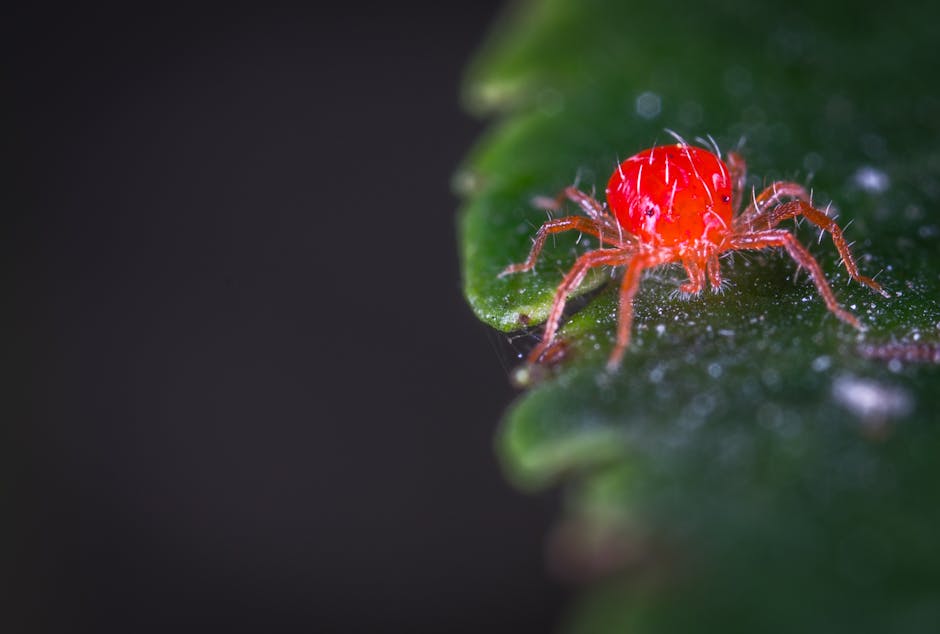
Tetranychus urticae Indoor Crop Management: Prevention & Bio-Control
IPM strategies for spider mites indoors: detection, quarantine, environmental, biological, mechanical control, and rotated biopesticides.

Dung Beetle Engineering: Soil, Nutrition & Pest Control
Dung beetles enhance soil aeration and fertility, control pests and pathogens, and are key to regenerative agriculture.

Integrated Verticillium Wilt Control in Tomato: Diagnosis, Cultural Management, and Biotechnology
Strategies to mitigate Verticillium dahliae in tomato: identification, crop rotation, resistant varieties, and biological control.

Optimizing Gardens Through Meteorological Analysis and Agricultural Technologies
Integrate climate forecasts and sensor data to optimize planting, irrigation, protection, and harvest, enhancing horticultural resilience.